When homeowners discover mold in their property, one of the first questions is usually about…
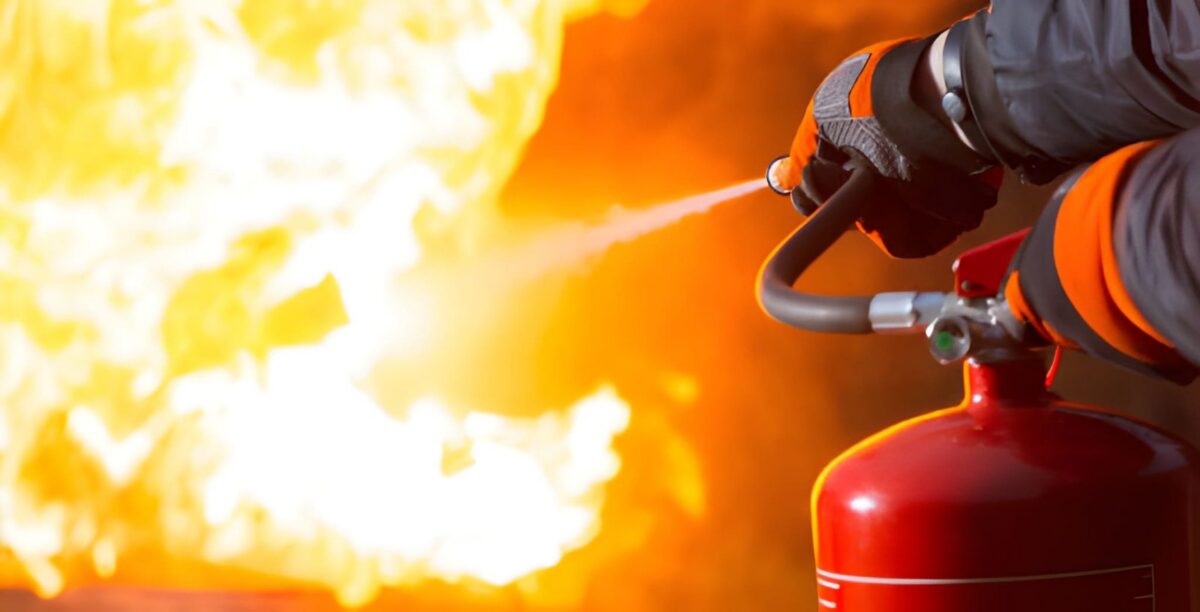
Fire Extinguisher Classes Explained: Which Type Should You Use?
Understanding class types of fires is important because not every fire can be safely extinguished using the same type of extinguisher. Different materials burn in different ways, and using the wrong extinguisher can make a fire more dangerous instead of controlling it. Knowing the basic fire classifications can help homeowners, business owners, and employees understand which extinguisher may be appropriate for a particular situation.
Fire extinguishers are designed for specific types of fires. Some are intended for ordinary materials such as wood and paper, while others are designed for flammable liquids, electrical equipment, or cooking oils. Understanding these classifications is an important part of basic fire safety, although extinguishers should only be used when the fire is small, contained, and safe to approach.
When a fire causes property damage, fire damage restoration may be needed to address smoke, soot, structural damage, and other effects left behind.
What Are Fire Classes?
Fire classes are categories used to identify fires based on the material or fuel involved.
The classification system helps determine which extinguishing agent is appropriate for controlling the fire. Different countries may use slightly different classification systems, so the labels on extinguishers should always be checked carefully.
In the United States, the primary classes commonly discussed are Class A, Class B, Class C, Class D, and Class K.
Each class represents a different type of fuel.
Class A Fires
Class A fires involve ordinary combustible materials.
These materials are commonly found in homes, offices, schools, warehouses, and other buildings.
Examples include:
- Wood
- Paper
- Cardboard
- Cloth
- Fabric
- Some types of plastic
- Other ordinary combustible materials
A fire involving a wooden table, cardboard boxes, paper documents, or upholstered furniture would generally fall under Class A.
What Extinguisher Is Used for Class A Fires?
Water extinguishers can be suitable for certain Class A fires because water helps cool the burning material and reduce its temperature below the point needed to continue burning.
Multipurpose dry chemical extinguishers can also be rated for Class A fires.
However, you should always check the extinguisher’s label to confirm that it is specifically rated for the type of fire you are facing.
Class B Fires
Class B fires involve flammable liquids and, in some classifications, flammable gases.
Examples can include:
- Gasoline
- Diesel fuel
- Oil
- Paint
- Solvents
- Grease
- Certain flammable gases
These fires can spread rapidly because the fuel can move across a surface or produce flammable vapours.
What Extinguisher Is Used for Class B Fires?
Foam, carbon dioxide, and dry chemical extinguishers may be used for certain Class B fires, depending on the specific extinguisher rating.
Water is generally not appropriate for flammable liquid fires because it can cause burning liquids to spread rather than extinguish the fire.
Always check the extinguisher label before attempting to use it.
Class C Fires
Class C fires involve energized electrical equipment.
Examples include fires involving:
- Electrical panels
- Computers
- Appliances
- Wiring
- Motors
- Other energized electrical equipment
The major concern with an electrical fire is that the equipment remains connected to an electrical source.
What Extinguisher Is Used for Class C Fires?
Carbon dioxide and dry chemical extinguishers are commonly rated for electrical fires.
The extinguisher should be labelled for Class C use.
Water should not be used on energized electrical equipment because it can conduct electricity and create a serious shock hazard.
If an electrical fire is developing rapidly or involves substantial equipment, evacuate the area and call emergency services rather than attempting to control it yourself.
Class D Fires
Class D fires involve combustible metals.
These fires are less common in typical homes but can occur in certain industrial, laboratory, manufacturing, and specialised environments.
Examples of combustible metals can include:
- Magnesium
- Titanium
- Sodium
- Potassium
- Lithium
- Certain metal powders or shavings
Metal fires can behave differently from ordinary combustible fires and may require specialised extinguishing agents.
What Extinguisher Is Used for Class D Fires?
Class D fires require extinguishers specifically designed for the particular combustible metal involved.
There is no universal extinguisher that should automatically be used for every metal fire.
Using water or an inappropriate extinguishing agent can create dangerous reactions with certain burning metals.
Facilities that handle combustible metals should identify the specific hazards present and maintain the appropriate fire protection equipment.
Class K Fires
Class K fires involve cooking oils and fats.
These fires are especially relevant to commercial kitchens but can also occur in residential kitchens.
Examples include fires involving:
- Deep fryers
- Cooking oils
- Animal fats
- Vegetable oils
- Other high-temperature cooking fats
What Extinguisher Is Used for Class K Fires?
Wet chemical extinguishers are specifically designed for Class K cooking fires.
They work by reacting with hot cooking oils to create a soapy layer that helps suppress the fire and prevent it from reigniting.
Water should never be poured onto a cooking oil fire. Introducing water to extremely hot oil can cause violent splattering and rapidly spread the flames.
Why Using the Correct Extinguisher Matters
A fire extinguisher is not simply a container of material designed to put out any fire.
Different fuels require different approaches.
An extinguisher that works well on a paper fire may be ineffective or dangerous on a cooking oil fire. Similarly, water can be useful for some Class A fires but dangerous around energized electrical equipment.
Using the wrong extinguisher can:
- Spread the fire.
- Cause dangerous reactions.
- Increase the risk of injury.
- Allow the fire to grow.
- Create additional property damage.
This is why understanding the fire classification is important before attempting to use an extinguisher.
What Is a Multipurpose Fire Extinguisher?
Many homes and businesses use multipurpose dry chemical extinguishers.
These extinguishers are commonly rated for Class A, Class B, and Class C fires.
A multipurpose extinguisher can therefore provide protection against several common fire hazards.
However, the label should always be checked before use. Fire extinguishers are clearly marked with the classes of fire they are designed to handle.
A multipurpose extinguisher is also not a replacement for a complete fire safety plan.
How to Read a Fire Extinguisher Rating
Fire extinguishers typically display information showing the types of fires they are designed to extinguish.
For example, an extinguisher may be marked with letters corresponding to different fire classes.
The label may also provide information about the extinguisher’s capacity and performance rating.
Homeowners should become familiar with the extinguishers installed in their property before an emergency occurs.
Do not wait until a fire starts to determine what type of extinguisher you have.
When Should You Use a Fire Extinguisher?
A portable extinguisher is generally intended for a small, early-stage fire.
Before attempting to extinguish a fire, make sure:
- Everyone else has been alerted.
- Emergency services have been contacted when appropriate.
- You have a clear escape route behind you.
- The fire is small and contained.
- The extinguisher is appropriate for the type of fire.
- You are physically capable of using the extinguisher.
- Smoke and heat are not preventing you from safely approaching.
If the fire is spreading, producing heavy smoke, reaching the ceiling, or blocking your escape route, leave immediately.
Do not put yourself at risk trying to save property.
How to Use a Fire Extinguisher
If a fire is small enough to approach safely and you have the correct extinguisher, remember the basic PASS technique.
- Pull
Pull the pin or remove the safety mechanism.
- Aim
Aim the nozzle at the base of the fire rather than directly at the flames.
- Squeeze
Squeeze the handle to release the extinguishing agent.
- Sweep
Move the nozzle from side to side across the base of the fire while maintaining a safe distance.
If the extinguisher does not control the fire quickly, stop and evacuate.
Even if the flames appear to be out, continue watching the area from a safe position because the material may reignite.
Fire Extinguisher Mistakes to Avoid
Some common mistakes can make a fire more dangerous.
1. Using Water on an Electrical Fire
Water can create a serious electrical hazard when used on energized equipment.
Use an extinguisher specifically rated for electrical fires and disconnect the power only if it can be done safely.
2. Using Water on Cooking Oil
Never throw water onto burning cooking oil.
The water can rapidly turn into steam and cause burning oil to spread.
Use a suitable Class K extinguisher for a cooking oil fire.
3. Choosing an Extinguisher Without Checking the Label
Never assume that an extinguisher is suitable simply because it is nearby.
Check the rating and make sure it is designed for the specific fire class.
4. Getting Too Close to the Fire
Heat and smoke can become dangerous very quickly.
Always maintain a safe escape route and do not approach a fire that is growing beyond your ability to control it.
5. Continuing After the Fire Becomes Unsafe
An extinguisher is not intended to replace evacuation or professional firefighting.
If the fire becomes larger, spreads rapidly, produces significant smoke, or threatens your escape route, leave immediately.
Where Should Fire Extinguishers Be Stored?
Fire extinguishers should be easy to access and located where people can reach them quickly during an emergency.
Common locations may include kitchens, garages, workshops, utility areas, offices, commercial kitchens, and other areas where fire hazards are present.
The exact placement depends on the property and applicable fire safety requirements.
Extinguishers should not be hidden behind furniture or stored somewhere that would be difficult to reach during a fire.
Everyone in the household or workplace should also know where the extinguishers are located.
Fire Extinguisher Maintenance Matters
Having the correct extinguisher is only useful if it is ready to operate.
Inspect extinguishers regularly for visible damage, corrosion, leakage, blocked nozzles, or other problems.
Check the pressure indicator when the extinguisher has one and follow the manufacturer’s maintenance instructions.
Commercial properties may have additional inspection and maintenance requirements.
If an extinguisher has been discharged, even partially, it may need servicing or replacement.
What Happens After a Fire?
Even a fire that appears to have been extinguished can leave behind significant damage.
Smoke and soot can spread throughout a building, while heat can damage surfaces and materials beyond the area where the flames were visible.
Water or other extinguishing agents can also contribute to secondary property damage.
This is where professional smoke damage cleanup and restoration can become important.
Fire Damage Restoration After an Extinguished Fire
Putting out the flames is only the first step in recovering from a fire.
A property may have several different forms of damage, including:
- Structural damage.
- Smoke damage.
- Soot contamination.
- Water damage.
- Odour problems.
- Damaged flooring.
- Damaged walls and ceilings.
- Affected personal belongings.
Professional restoration focuses on assessing the affected areas, removing or cleaning damaged materials when appropriate, addressing smoke and soot, drying moisture-affected areas, and restoring the property.
For structural, electrical, and surface-level restoration needs, fire damage repair may be part of the recovery process.
The appropriate process depends on the severity and type of fire damage.
Why Quick Response Restoration
Quick Response Restoratin helps property owners respond to damage caused by fires and other unexpected events.
After a fire, the visible damage may only represent part of the problem. Smoke can move into rooms that were not directly affected by flames, while water used during firefighting can create additional moisture-related concerns.
A prompt assessment can help identify affected areas and determine what restoration work may be necessary.
Quick Response Restoration can assist property owners as they begin the recovery process after a fire.
Fire Safety Is About More Than Extinguishers
Knowing your fire extinguisher classes is useful, but effective fire safety involves much more.
Homes and businesses should also have working smoke alarms, clear evacuation routes, appropriate emergency plans, and regular safety checks.
Everyone should understand what to do if a fire starts.
The most important priority during a fire is always life safety. Property can be repaired or replaced, but attempting to protect belongings should never put someone in unnecessary danger.
Conclusion
Understanding the different class types of fires can help you recognise why certain extinguishers are designed for specific situations. Class A fires involve ordinary combustibles, Class B fires involve flammable liquids, Class C fires involve energized electrical equipment, Class D fires involve combustible metals, and Class K fires involve cooking oils and fats.
The right extinguisher depends on the fuel involved, and using the wrong extinguishing agent can increase the danger. Before using an extinguisher, make sure the fire is small, you have a clear escape route, and the extinguisher is properly rated for the situation.
If a fire grows beyond your ability to control it, evacuate immediately and let trained firefighters handle the emergency.
After the fire is extinguished, remember that recovery may involve more than repairing visible structural damage. Smoke, soot, odours, water, and other effects can continue to affect the property. Professional fire damage restoration can help assess these problems and begin the process of returning the property to a safe and usable condition.
For help with fire-related property damage, you can contact us to discuss the next steps.
Frequently Asked Questions
1. What are the main class types of fires?
The main fire classes commonly discussed in the United States are Class A, Class B, Class C, Class D, and Class K. They identify different types of fuel, including ordinary combustibles, flammable liquids, electrical equipment, combustible metals, and cooking oils.
2. What extinguisher should I use for a Class A fire?
Class A fires involve ordinary combustible materials such as wood, paper, cardboard, and cloth. Water or multipurpose dry chemical extinguishers may be suitable when they are specifically rated for Class A fires.
3. Can I use water on an electrical fire?
Water should not be used on energized electrical equipment because it can create a serious electrical shock hazard. Use an extinguisher specifically rated for Class C fires and evacuate if the fire is not immediately controllable.
4. What type of extinguisher is used for cooking oil fires?
Class K fires involving cooking oils and fats are generally addressed with wet chemical extinguishers designed specifically for cooking fires. Never pour water onto burning cooking oil.
5. What should I do after a fire is extinguished?
Once everyone is safe and firefighters have determined that the property can be entered, the next step may involve assessing fire, smoke, soot, and water damage. Professional fire damage restoration can help identify affected materials and determine the appropriate recovery process.

Related Posts