Understanding class types of fires is important because not every fire can be safely extinguished…
Mold Remediation Cost Guide: Average Prices and What Affects the Cost
When homeowners discover mold in their property, one of the first questions is usually about mold remediation cost. The total expense can vary significantly depending on how much mold is present, where it is located, what caused the moisture problem, how difficult the affected area is to access, and how much restoration is required afterward. Understanding these factors can help you evaluate estimates and know what to expect before remediation begins.
Mold should not be treated as a simple cleaning problem when it has spread into building materials or is connected to an ongoing moisture issue. Proper remediation focuses on addressing the source, containing the affected area, removing contaminated materials when necessary, cleaning appropriate surfaces, and preventing the problem from returning. For professional help, mold remediation may be necessary when contamination is extensive or recurring.
What Is Mold Remediation?
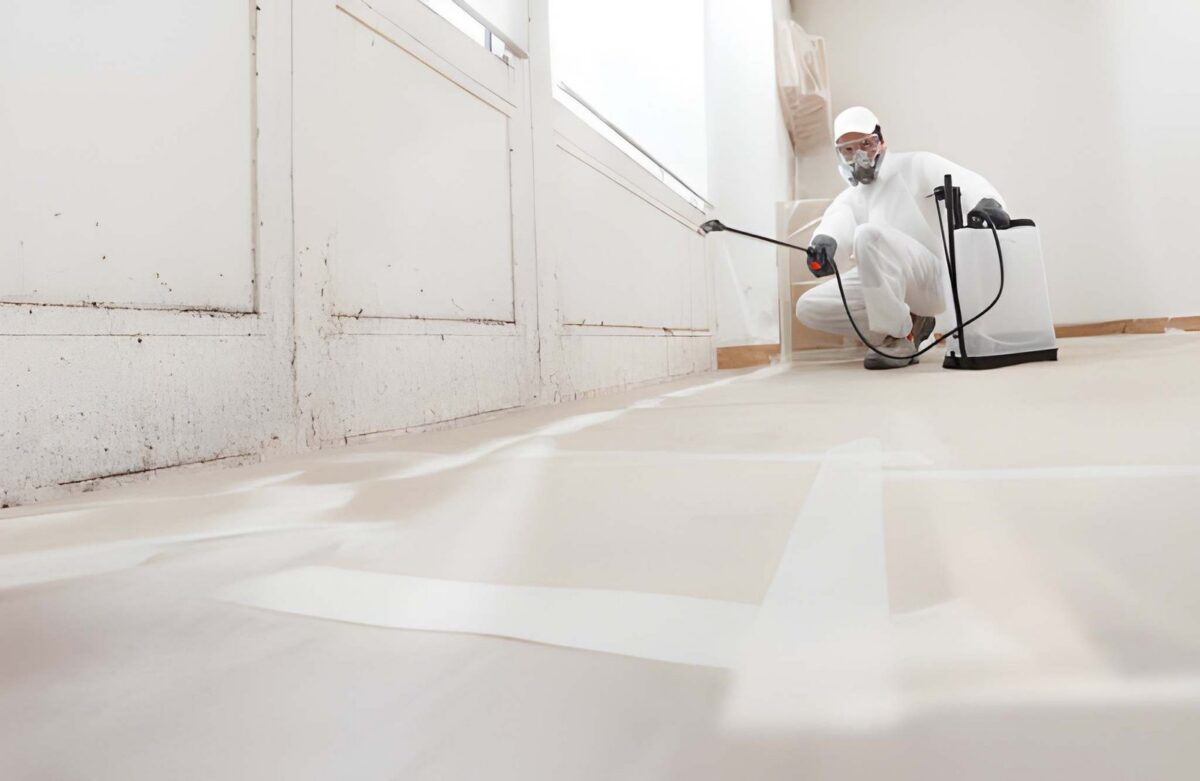
Mold remediation is the process of identifying, containing, removing, and cleaning mold-affected areas while addressing the moisture conditions that allowed the mold to develop.
The goal is not necessarily to make a property completely free of every mold spore. Mold spores naturally exist in the environment. Instead, professional remediation focuses on removing or treating affected materials and restoring conditions that discourage continued mold growth.
Depending on the situation, remediation may involve:
- Inspecting the property.
- Identifying moisture sources.
- Containing affected areas.
- Removing contaminated materials.
- Cleaning salvageable surfaces.
- Drying moisture-affected areas.
- Treating remaining affected surfaces when appropriate.
- Repairing the underlying moisture problem.
- Conducting post-remediation checks.
The exact process depends on the property’s condition.
How Much Does Mold Remediation Cost?
There is no single price that applies to every mold remediation project.
A small, isolated area may require considerably less work than widespread mold contamination involving walls, ceilings, insulation, flooring, or structural materials.
The cost of mold remediation can therefore range from a relatively straightforward cleanup project to a much more involved restoration process.
Homeowners should be cautious of anyone who provides a definitive price without first understanding the extent of the problem. A proper assessment is often necessary before an accurate estimate can be prepared.
What Affects Mold Remediation Cost?
Several factors can influence the overall cost of professional mold remediation.
1. Size of the Affected Area
The size of the contaminated area is one of the most important factors.
A small patch on a surface that can be safely cleaned is very different from mold that has spread across multiple rooms or into building materials.
Larger affected areas generally require more labour, containment, cleaning, equipment, and disposal.
2. Location of the Mold
Where mold is located can significantly affect the work required.
Mold on an easily accessible surface may be relatively straightforward to address. Mold behind walls, underneath flooring, inside ceilings, within insulation, or in difficult-to-access areas can require additional investigation and removal.
Hidden mold may also be associated with a concealed water leak or another moisture problem.
For more information about identifying concealed growth, homeowners can review this guide to hidden mold.
3. Type of Material Affected
Not every building material responds to mold in the same way.
Some hard, non-porous surfaces may be cleaned and treated when appropriate. Porous materials such as certain drywall, insulation, carpeting, and other materials may need to be removed if they cannot be effectively cleaned.
The condition of the material and the extent of contamination will influence whether it can be restored or needs replacement.
4. Source of Moisture
Mold typically requires moisture to grow.
A leak, flooding event, plumbing problem, roof issue, condensation, poor ventilation, or excessive humidity can create conditions that support mold growth.
If the moisture source has not been corrected, cleaning the mold alone may not solve the underlying problem.
Remediation may therefore involve identifying the source of moisture and coordinating repairs before or during the cleanup process.
5. Extent of Water Damage
Mold and water damage can occur together.
For example, a plumbing leak may cause moisture to accumulate inside a wall. If the area remains wet for an extended period, mold may develop.
In these cases, the project may involve both water damage restoration and mold remediation.
The more extensive the underlying water damage, the more involved the overall restoration process may become. Homeowners dealing with moisture-related problems can also learn about water damage restoration.
6. Accessibility
Mold located in an open basement area may be easier to access than mold inside a wall cavity or beneath flooring.
Restricted spaces can require additional labour, specialised equipment, containment measures, or controlled removal procedures.
Accessibility can therefore affect the time and resources required to complete the work.
7. Containment Requirements
Professional remediation may require containment to prevent mold-affected materials and airborne particles from spreading to unaffected parts of the property.
The level of containment depends on the size and location of the affected area and the nature of the work being performed.
Larger or more complex projects may require more extensive containment procedures.
8. Equipment and Protective Measures
Mold remediation can require specialised equipment and protective measures.
Depending on the project, professionals may use equipment designed for containment, air filtration, moisture monitoring, drying, cleaning, or other remediation tasks.
The equipment required depends on the property’s condition and the scope of the project.
9. Disposal of Damaged Materials
If contaminated materials cannot be salvaged, they may need to be removed and disposed of appropriately.
Removing drywall, insulation, carpeting, flooring, or other materials can add labour and disposal requirements to the project.
The amount and type of material removed will affect the overall cost.
10. Restoration After Remediation
Mold removal does not always represent the end of the project.
If walls, ceilings, flooring, insulation, or other materials have been removed, those areas may need to be rebuilt or restored.
Restoration costs can therefore be separate from the remediation itself.
Does Mold Inspection Cost Extra?
In some situations, inspection and remediation may be separate services.
An inspection can help determine whether visible mold is part of a larger problem, identify moisture sources, and assess the extent of affected areas.
The cost of an inspection can vary depending on the size of the property, accessibility, the complexity of the suspected problem, and the type of assessment required.
Homeowners should ask what an inspection includes before scheduling one.
For example, you may want to understand whether the assessment includes visual inspection, moisture measurements, identifying potential moisture sources, or recommendations for further investigation.
Do You Need Mold Testing?
Mold testing is not automatically necessary for every situation.
If visible mold is present and the objective is to remove it and correct the moisture source, extensive testing may not always provide additional useful information.
However, testing may sometimes be considered when the situation is unclear or when there is a specific reason to identify or document the presence of mold.
Whether testing is appropriate depends on the property, the circumstances, and the purpose of the assessment.
Homeowners should avoid paying for unnecessary testing simply because it is presented as a mandatory step when there is no clear reason for it.
What Does Professional Mold Remediation Include?
A professional remediation project should address more than the visible mold.
1. Inspection and Assessment
The process typically begins with assessing the affected areas and identifying potential moisture sources.
The goal is to understand where mold is present and determine whether additional areas may be affected.
2. Containment
Depending on the size and location of the problem, affected areas may be isolated to help prevent contamination from spreading during remediation.
3. Removal
Materials that cannot be effectively cleaned may need to be removed.
The decision depends on the material, condition, and extent of contamination.
4. Cleaning
Surfaces that can be safely restored may be cleaned using appropriate methods and equipment.
The exact cleaning approach depends on the material and type of contamination.
5. Drying
Moisture needs to be controlled because continued dampness can contribute to recurring mold growth.
Drying and moisture management may therefore form an important part of remediation.
6. Restoration
After remediation, damaged areas may require repair or rebuilding.
The scope of restoration depends on how much material was removed and how extensively the property was affected.
Why the Moisture Source Must Be Fixed
One of the most important parts of mold remediation is addressing the reason mold developed in the first place.
Consider a wall with mold caused by a plumbing leak. Removing the visible mold without repairing the leak leaves the underlying moisture problem unresolved.
The same principle applies to roof leaks, flooding, condensation, and other moisture sources.
If the conditions that support mold growth continue, the problem can return.
Does Homeowners Insurance Cover Mold Remediation?
Insurance coverage for mold remediation depends on the policy and the circumstances that caused the mold.
Coverage may differ when mold results from a covered sudden event compared with long-term maintenance issues, ongoing leaks, flooding exclusions, or other circumstances specifically addressed by the policy.
Homeowners should review their insurance policy and contact their insurer to determine whether the specific damage is covered.
Do not assume that every mold remediation project will be covered.
If you are making an insurance claim, document visible damage and follow the insurer’s instructions regarding inspections, mitigation, and repairs.
How to Compare Mold Remediation Estimates
When comparing estimates, homeowners should look beyond the final number.
Two companies may provide different estimates because they are proposing different scopes of work.
Check whether the estimate explains:
- The affected areas.
- The source of moisture.
- Containment procedures.
- Materials that need removal.
- Cleaning methods.
- Equipment required.
- Disposal.
- Drying or moisture control.
- Repairs or restoration.
- Any work that is not included.
A lower estimate may not actually be less expensive if important steps have been excluded.
Warning Signs of a Poor Mold Remediation Quote
Homeowners should be cautious when a provider:
- Gives a firm price without inspecting the affected area.
- Cannot explain what the quote includes.
- Focuses only on visible mold without investigating moisture.
- Recommends unnecessary services without explanation.
- Refuses to explain whether damaged materials need removal.
- Pressures you into approving work immediately.
- Provides no information about the remediation process.
A professional estimate should give you a reasonable understanding of what work is being proposed and why.
Can You Remove Mold Yourself?
Small surface-level mold problems may sometimes be manageable by homeowners, depending on the material, location, and circumstances.
However, larger contamination, recurring mold, extensive water damage, or mold affecting difficult-to-access areas may require professional assistance.
DIY cleaning can also fail to address the moisture source.
If mold keeps returning after cleaning, that is a strong indication that the underlying conditions need further investigation.
How Long Does Mold Remediation Take?
The duration of remediation depends on the size and complexity of the project.
A small, isolated problem may be addressed relatively quickly, while extensive contamination involving multiple rooms, structural materials, or ongoing moisture problems can require substantially more time.
The process may also take longer when rebuilding or restoration is necessary after contaminated materials are removed.
A professional assessment can provide a more realistic timeline based on the actual condition of the property.
What Happens After Mold Remediation?
After remediation is completed, the affected area should be evaluated to determine whether the planned work has been completed and whether moisture conditions have been addressed.
Depending on the situation, additional checks may be appropriate.
The property may then require restoration if drywall, flooring, insulation, or other materials were removed.
The objective is to return the affected area to a clean, dry, and usable condition while addressing the factors that contributed to mold growth.
How to Prevent Future Mold Problems
Preventing mold starts with moisture control.
Homeowners can reduce the likelihood of recurring mold problems by:
- Repairing leaks promptly.
- Addressing roof problems quickly.
- Improving ventilation in moisture-prone rooms.
- Monitoring areas such as basements and crawl spaces.
- Controlling indoor humidity.
- Drying wet materials promptly.
- Checking around plumbing fixtures for signs of moisture.
- Addressing condensation problems.
- Maintaining gutters and drainage systems.
- Investigating recurring musty odours or unexplained dampness.
The earlier a moisture problem is identified, the easier it may be to prevent extensive secondary damage.
When Should You Call a Mold Remediation Professional?
Professional assistance may be appropriate when mold covers a significant area, keeps returning, is associated with substantial water damage, or appears to have spread into building materials.
You should also consider professional evaluation when you cannot identify the source of moisture.
A professional can help determine the extent of the problem and whether remediation, water damage restoration, material removal, or additional repairs are necessary.
Homeowners can also review this mold remediation guide to better understand the process and factors involved.
Why Choose Quick Response Restoration?
Quick Response Restoration helps property owners respond to mold and moisture-related property damage.
Mold problems can involve more than what is visible on the surface. Moisture may be hidden behind walls, beneath flooring, or in other areas where it can continue contributing to mold growth.
A comprehensive approach focuses on understanding the affected area, addressing moisture conditions, removing or cleaning affected materials as appropriate, and restoring the property when necessary.
For homeowners dealing with suspected mold growth, recurring moisture, or property damage following a leak or water event, Quick Response Restoration can help determine the appropriate next steps.
Conclusion
Understanding mold remediation cost starts with recognising that every property and mold problem is different. The size of the affected area, location of the mold, type of material, moisture source, accessibility, containment requirements, equipment, disposal, and restoration needs can all affect the final expense.
A professional remediation project should not simply remove visible mold. It should also address the moisture conditions that allowed the mold to develop in the first place. Otherwise, the problem may return.
When comparing remediation estimates, look at the scope of work rather than focusing only on the lowest price. A detailed assessment can help you understand what needs to be removed, what can be cleaned, how moisture will be addressed, and whether additional restoration is necessary.
If you discover mold after a leak, flood, roof problem, or ongoing moisture issue, taking action early can help prevent the problem from becoming more extensive. Quick Response Restoration can assist homeowners with evaluating mold and moisture-related property damage and determining the appropriate restoration steps. If you need assistance, you can contact us to discuss your situation.
Frequently Asked Questions
1. How much does mold remediation cost?
Mold remediation cost varies depending on the size and location of the affected area, the materials involved, the source of moisture, containment requirements, equipment, disposal, and restoration needs. A professional assessment is generally needed to determine the scope of work.
2. What is the difference between mold removal and mold remediation?
Mold removal generally refers to physically removing mold or affected materials. Mold remediation is a broader process that can include assessment, containment, removal, cleaning, moisture control, and restoration.
3. Does insurance cover the cost of mold remediation?
Coverage depends on the homeowner’s insurance policy and the cause of the mold. Some situations may be covered while others may be excluded. Homeowners should review their policy and contact their insurance provider for information about their specific circumstances.
4. Is mold inspection included in remediation?
Not always. Inspection and remediation may be separate services depending on the provider and the circumstances. Ask what the initial assessment includes before approving the work.
5. Can mold come back after remediation?
Mold can return if the underlying moisture problem has not been corrected. Addressing leaks, excessive humidity, condensation, flooding, or other moisture sources is an important part of preventing recurring mold growth.

Related Posts