Understanding class types of fires is important because not every fire can be safely extinguished…

Fire Damage Cleanup Checklist: What Professionals Do That Homeowners Can’t
A fire is a traumatic event, and the aftermath can feel overwhelming. Fire damage cleanup involves far more than just removing visible debris or airing out smoke. Professionals use specialized tools, safety protocols, and expert techniques to ensure your home is fully restored, safe, and livable again.
Here’s a comprehensive checklist of what professional fire damage cleanup entails and why trusting Quick Response Restoration makes all the difference.
1. Safety First: Inspection and Risk Assessment
Before any cleanup starts, experts perform a detailed inspection assessing structural damage, electrical hazards, and contamination. Entry is restricted until it’s safe, and crews wear protective gear to guard against toxic smoke residues and unstable debris.
2. Debris Removal and Salvage Operations
Fire-damaged homes often contain debris, including ruined furniture and materials. Professionals systematically remove unsalvageable items, while carefully identifying possessions that can be cleaned and restored. This organized sorting prevents unnecessary loss.
3. Water Extraction and Drying
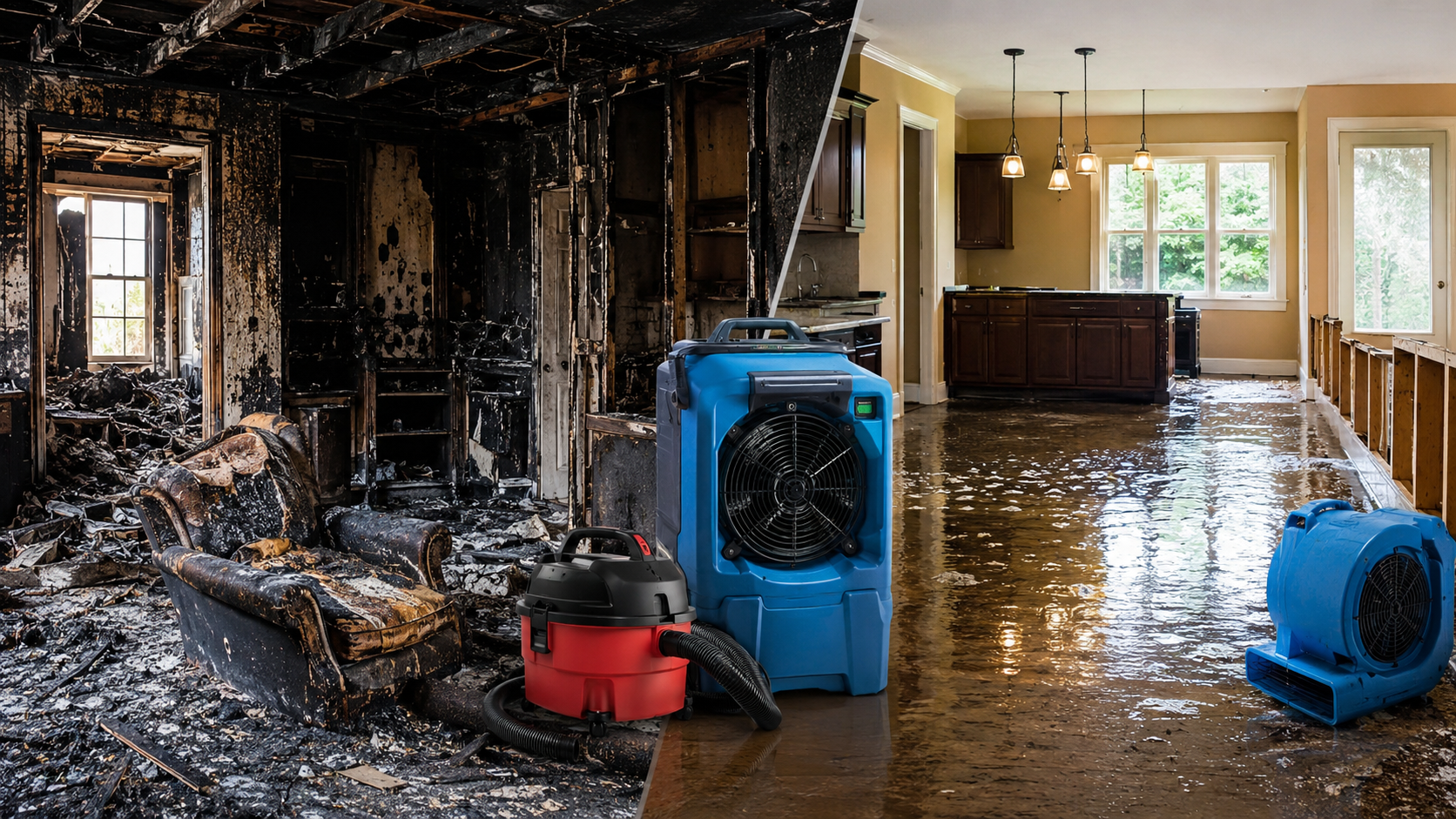
Water used to extinguish the fire causes its own damage. Using industrial pumps and vacuums, technicians swiftly extract standing water. Heavy-duty dryers and dehumidifiers then remove hidden moisture from walls, floors, and ceilings, helping prevent mold growth and structural weakening.
4. Soot and Smoke Residue Cleaning
Smoke leaves behind fine soot that embeds in surfaces. Experts use HEPA vacuums, dry cleaning sponges, and specialized chemical cleaners to lift soot without smearing. Porous materials receive careful treatment depending on the smoke type.
5. Advanced Deodorization
Rather than simply masking odors, professionals deploy thermal fogging and ozone treatments that neutralize smoke molecules on a microscopic level. Several rounds of deodorization may be necessary to fully refresh indoor air quality.
6. HVAC System Cleaning
Fire and smoke residues travel through heating and cooling ducts. Specialized duct-cleaning equipment removes soot and odor within the HVAC system to prevent continual recirculation of contaminants.
7. Documentation for Insurance Claims
Every step—damage assessments, cleaning progress, and contents salvage—is thoroughly documented with photos and reports. This detailed record helps streamline insurance claims for clients, ensuring accurate compensation.
8. Final Inspection and Restoration
Once cleaning and deodorization are complete, a final walkthrough ensures all safety and quality standards are met before reconstruction or move-in. Repairs may include replacing drywall, repainting, and fixing electrical components to restore the home fully.
Why Professional Cleanup Is Crucial
DIY fire cleanup risks spreading soot, inhaling toxic particles, or missing hidden water damage and odors. Quick Response Restoration uses industry-grade equipment and certified expertise to clean safely, quickly, and effectively—saving time, money, and your health.
Rely on Quick Response Restoration for comprehensive fire damage cleanup services that restore your home to its best condition safely and completely.
Robert Serafini serves as Quick Response Restoration’s cornerstone of Experience, Expertise, Authority, and Trust (EEAT). A dedicated member of the Quick Response team since 1998, Robert brings decades of hands-on restoration and insurance industry knowledge to every project. Prior to joining QR, he worked as an independent insurance adjuster, giving him a deep understanding of claims processes, policy interpretation, and customer advocacy.
Robert holds multiple IICRC certifications for fire, water, mold and has successfully managed numerous multi-million-dollar restoration projects, including large-loss and complex commercial assignments. His portfolio also extends internationally, where he has contributed to remediation efforts abroad.
Deeply rooted in the Capital District community, Robert is known for his generosity and civic involvement. He actively hosts and supports charity events benefiting local hospitals, schools, first responders, veterans, Catholic organizations, pet adoption, and local Chambers of Commerce. He is also an engaged member of several professional associations: Saratoga County Chamber, Adirondack Regional Chamber, NYS SFA Chapter, GCAR, ENYSHE and BOMA continuing to elevate industry standards and strengthen community ties.
Related Posts