When homeowners discover mold in their property, one of the first questions is usually about…

Fire Damage: How Even Small Fires Can Cause Major Structural and Air Quality Issues
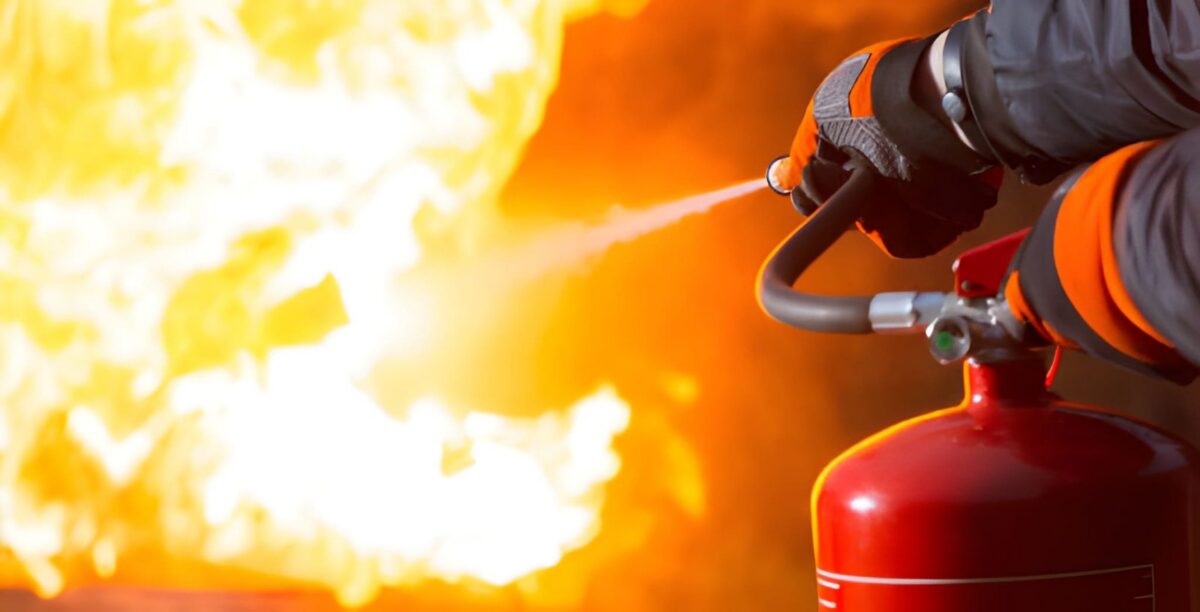
Most homeowners breathe a sigh of relief when a fire is “put out quickly” or “contained to just one room.” The walls are still standing, there’s no obvious collapse, and the worst damage appears to be some burned cabinets or a charred patch of wall. But what many people don’t realise is that even a small, quickly controlled fire can cause serious hidden damage to your home’s structure and air quality.
Heat, smoke, and soot move far beyond the visible burn area. They can weaken building materials, contaminate your HVAC system, and leave behind toxic residues that affect your health and comfort long after the flames are gone. That’s why homeowners turn to professional fire damage experts like Quick Response Restoration for a complete evaluation and cleanup—not just a cosmetic fix.
Let’s break down what really happens during a minor fire and why the damage you can’t see is often the most important.
Heat Stress: When Structural Components Are Damaged From the Inside
Fire damage isn’t only about burned materials; it’s also about heat. Even if flames don’t directly touch certain areas, intense temperatures can still weaken them.
How Heat Affects Wood and Framing
- Wooden studs, joists, and beams near the fire can dry out excessively, char internally, or lose strength.
- Heat can cause microscopic cracking and brittleness, making structural members more susceptible to breaking under normal loads.
- Some sections may look intact but have compromised load-bearing ability once inspected more closely or probed.
Hidden Heat Impact on Metal and Concrete
- Metal connectors, fasteners, and beams can soften or warp when exposed to high temperatures. Even slight warping can throw off alignment or reduce capacity over time.
- Concrete around the fire may experience “spalling” or micro-cracks from rapid heating and cooling, especially if combined with firefighting water.
Because these issues are rarely obvious at a glance, professional fire damage inspections typically involve removing finishes like drywall to examine the framing and structure beneath. Quick Response Restoration coordinates with engineers and inspectors when needed to determine whether components can be cleaned and reinforced or must be replaced.
Smoke Infiltration: Contamination Far Beyond the Burned Room
Another reason even small fires become big problems is how smoke behaves. It doesn’t stay put.
How Smoke Travels Through a Home
- Smoke rises and follows air currents, quickly moving to upper levels, attics, and distant rooms.
- It seeps through tiny gaps around electrical outlets, light fixtures, and pipe penetrations, entering wall and ceiling cavities.
- Your HVAC system can pull smoke-laden air into returns and push it throughout the ductwork, depositing soot in vents and on coils.
That’s why a stove-top fire in the kitchen can leave a smoke odor in bedrooms and closets far from the original incident.
Why Smoke Residue Is So Harmful
The residue from smoke, often called soot, is:
- Acidic – It can eat away at metal, tarnish fixtures, and damage electronics.
- Sticky and oily – Especially from plastics and synthetic materials, making it cling stubbornly to surfaces.
- Full of toxins – including chemicals released from burned furniture, plastics, finishes, and building materials.
Professional fire damage restoration includes tracking where smoke traveled, not just where flames burned. Quick Response Restoration inspects and cleans surfaces, contents, and HVAC systems to fully address this hidden contamination.
Weakened Materials and Finishes That Look “Fine” at First
After a small fire, you might think a little cleaning and a fresh coat of paint will solve everything. The problem is, damaged materials don’t always show their issues immediately.
Drywall, Paint, and Flooring
- Drywall exposed to heat and smoke can become soft, brittle, or stained beneath the surface.
- Paint can bubble, discolor, or lose adhesion over time as trapped residues and heat damage work through.
- Flooring (especially laminates and engineered wood) may warp, cup, or separate from subfloors weeks after the event.
Electrical and Plumbing Components
- Wiring insulation can melt or become brittle, creating a risk of shorts or future fires even if lights still turn on.
- Plastic plumbing pipes, seals, and fittings can degrade or develop tiny cracks from heat stress and thermal shock.
Experienced restoration teams like Quick Response Restoration know how to evaluate these components with the right tools and testing. They can tell the difference between materials that are safe to clean and keep and those that are dangerous to leave in place.
Air Quality: Long-Term Odor and Toxin Exposure
One of the most serious consequences of even a smaller fire is how it affects indoor air quality.
What’s Floating in the Air After a Fire
Smoke contains:
- Fine soot particles small enough to lodge deep in your lungs.
- Volatile organic compounds (VOCs) released from burning plastics, finishes, and synthetic materials.
- Irritating gases that cause eye, nose, and throat discomfort.
Even after visible soot is cleaned, these contaminants can continue to off-gas from porous materials like drywall, insulation, carpet, upholstery, and unfinished wood.
Health Effects of Poor Post-Fire Air Quality
Over time, exposure to poorly cleaned fire residues can contribute to:
- Worsening asthma and allergies.
- Chronic coughing or throat irritation.
- Headaches, fatigue, and general “sick building” symptoms.
Professional fire damage restoration typically includes HEPA air scrubbing, targeted cleaning, and deodorization that address both the particles and the gases. Quick Response Restoration uses specialized equipment to filter the air, clean ducts, and neutralize odors at the molecular level—not just cover them with fragrances.
What Professional Fire Damage Restoration Involves (Beyond the Obvious)
To truly protect a home after any fire, a professional process usually includes:
- Detailed inspection and documentation
- Assessing structural elements, surfaces, contents, and air quality.
- Creating a plan that prioritizes safety and preserves as much as possible.
- Securing and stabilizing the property
- Boarding up windows, tarping roofs, and addressing immediate hazards.
- Soot and smoke residue removal
- Using HEPA vacuums, dry sponges, and appropriate cleaners tailored to residue type and surface.
- HVAC and duct cleaning
- Preventing re-contamination by thoroughly cleaning vents, returns, and air handlers.
- Odor control and air filtration
- Running air scrubbers and applying thermal fogging or other odor-neutralizing treatments.
- Selective demolition and rebuilding
- Removing only what can’t be safely restored and reconstructing with code-compliant methods.
Throughout, Quick Response Restoration documents the work to support insurance claims and gives homeowners a clear view of what’s been done and why.
Why You Shouldn’t Ignore a “Small” Fire
It’s easy to underestimate the impact of a small kitchen flare-up, a space heater accident, or a brief electrical fire that didn’t seem “too bad.” But the unseen consequences—heat-stressed framing, hidden soot in ducts, and toxic residues in the air—can linger long after the char marks are gone.
Bringing in a professional fire damage restoration team like Quick Response Restoration ensures:
- Hidden structural issues are found and addressed.
- Smoke and soot are removed from hard-to-reach places.
- Indoor air is cleaned, and odors are truly eliminated, not masked.
- Your home is safe, healthy, and comfortable again—not just “good enough.”
If your home has experienced any fire, no matter how small, it deserves more than a quick wipe-down and fresh paint. It deserves a careful, professional look at the damage you can’t see so you can move forward confidently, knowing your home’s structure and air quality are truly restored.

Robert Serafini serves as Quick Response Restoration’s cornerstone of Experience, Expertise, Authority, and Trust (EEAT). A dedicated member of the Quick Response team since 1998, Robert brings decades of hands-on restoration and insurance industry knowledge to every project. Prior to joining QR, he worked as an independent insurance adjuster, giving him a deep understanding of claims processes, policy interpretation, and customer advocacy.
Robert holds multiple IICRC certifications for fire, water, mold and has successfully managed numerous multi-million-dollar restoration projects, including large-loss and complex commercial assignments. His portfolio also extends internationally, where he has contributed to remediation efforts abroad.
Deeply rooted in the Capital District community, Robert is known for his generosity and civic involvement. He actively hosts and supports charity events benefiting local hospitals, schools, first responders, veterans, Catholic organizations, pet adoption, and local Chambers of Commerce. He is also an engaged member of several professional associations: Saratoga County Chamber, Adirondack Regional Chamber, NYS SFA Chapter, GCAR, ENYSHE and BOMA continuing to elevate industry standards and strengthen community ties.
Related Posts