
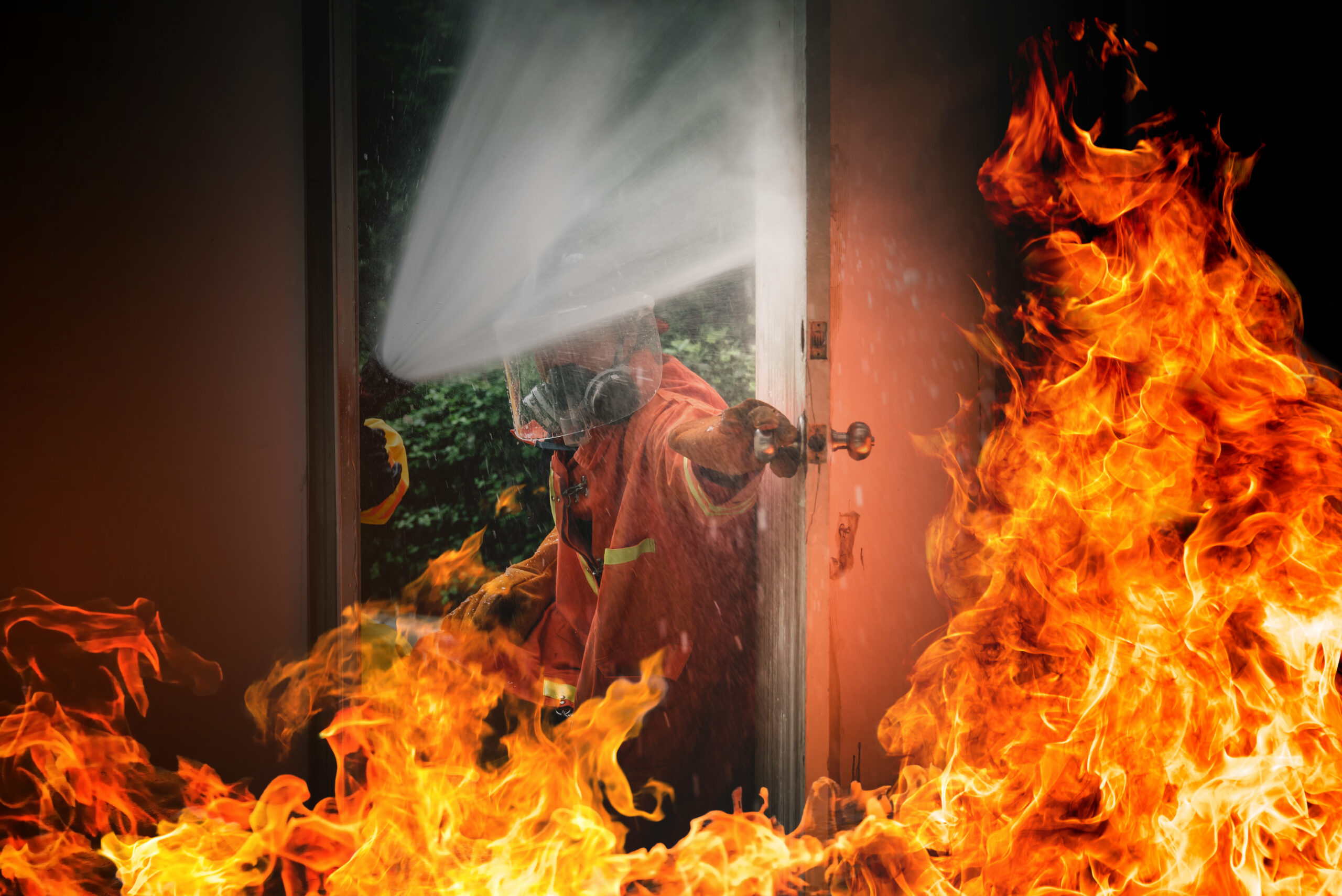
A house fire can be one of the most stressful experiences for any homeowner. Even a small fire can leave behind significant damage, including burned materials, smoke residue, soot buildup, and water damage from firefighting efforts. For homeowners in Schenectady, NY, understanding what happens after a fire and how to begin the restoration process can make recovery more manageable.
Fire damage does not always end when the flames are extinguished. Smoke can travel into other rooms, soot can settle on walls and furniture, and water used to put out the fire can create additional problems. Addressing these issues properly is important for protecting the remaining structure and preventing further property damage.
Professional fire damage restoration in Schenectady helps homeowners assess the damage, clean affected areas, and restore their properties. Knowing what steps to take after a fire, what the restoration process involves, and when to contact professionals can help you make informed decisions during recovery.
1. Understand the Different Types of Fire Damage
A residential fire can affect several parts of a home, even when the flames are limited to one room. The damage may extend beyond visibly burned areas because heat, smoke, soot, and water can affect surrounding materials.
Here are the main types of damage homeowners should understand.
- Structural Fire Damage: High temperatures can weaken building materials, damage wooden framing, affect drywall, and compromise ceilings or roofing. Severely affected structural components may require professional evaluation and replacement.
- Smoke Damage: Smoke can travel through hallways, ventilation systems, and gaps between walls. It may leave behind unpleasant odors and residue on furniture, ceilings, carpets, and personal belongings. Professional smoke damage repair can help address contamination beyond the area where the fire started.
- Soot Damage: Soot consists of fine particles produced during combustion. It can settle on walls, appliances, furniture, and other surfaces. Improper cleaning can spread the residue or make stains more difficult to remove.
- Water Damage: Firefighters often use large amounts of water to extinguish flames. This water can soak flooring, drywall, insulation, and furniture, creating additional restoration needs.
Understanding these different types of damage helps homeowners recognize why fire restoration often involves more than repairing the areas directly affected by flames. You can also read about the dangers of fire to understand how a fire can affect different parts of a property.
2. Prioritize Safety Before Returning to Your Home
After a fire, homeowners may feel tempted to return immediately to inspect their belongings or begin cleaning. However, safety should always come first.
Even after firefighters have extinguished the flames, a property may contain hidden hazards. Damaged electrical wiring, weakened structural components, broken glass, and lingering smoke residue can make certain areas unsafe.
Before re-entering your home, follow instructions from the fire department and local authorities. Do not enter restricted areas until officials confirm that it is safe to do so.
Homeowners should also avoid turning on electrical appliances or attempting repairs before the property has been properly evaluated. If the fire caused significant structural damage, qualified professionals should assess the affected areas before restoration begins.
3. Contact Your Insurance Company and Document the Damage
Once the property is safe to access, contacting your homeowners’ insurance company should be one of your first steps. Your insurer can explain the claims process, coverage details, documentation requirements, and next steps.
Proper documentation can help support your insurance claim and provide a clearer record of the damage.
Consider taking the following steps:
- Photograph and record visible damage to rooms, furniture, appliances, and personal belongings.
- Make a list of damaged or destroyed items.
- Keep receipts for temporary accommodation and other emergency expenses.
- Save relevant communication from the fire department and restoration professionals.
- Avoid throwing away damaged belongings before discussing documentation requirements with your insurance company.
Keep copies of all records in a safe location. Having organized documentation can make communication with your insurance provider easier throughout the restoration process.
4. Why Professional Smoke and Soot Cleanup Matters
Smoke and soot can affect areas far beyond the room where a fire started. Fine particles may settle on walls, ceilings, furniture, electronics, and other household surfaces.
Simply wiping surfaces with ordinary household cleaners may not remove all residue. Some cleaning methods can even spread soot or push particles deeper into porous materials.
Professional restoration teams use appropriate cleaning techniques and equipment based on the type of surface and extent of damage. The soot cleaning process can help homeowners understand why careful handling is important when dealing with fire residue.
The cleanup process may include:
- Removing loose soot and debris from affected surfaces.
- Cleaning walls, ceilings, floors, and other salvageable materials.
- Treating affected furniture and household contents.
- Addressing persistent smoke odors.
- Evaluating materials that may need removal or replacement.
Prompt attention to smoke and soot damage can help prevent additional staining and reduce the chances of residue causing further problems.
5. Address Water Damage Caused by Firefighting Efforts
Water damage is another important concern following a residential fire. Fire suppression efforts can leave behind large amounts of water that soak carpets, flooring, drywall, insulation, and other building materials.
If this moisture is not addressed promptly, it can lead to additional property damage and create conditions that encourage mold growth.
Professional restoration may involve water extraction, moisture assessment, structural drying, and dehumidification. These steps help remove excess moisture and protect materials that can still be salvaged. Homeowners can explore the water restoration process to understand how professionals address moisture-related damage.
Homeowners should avoid assuming that a room is completely dry simply because visible standing water has disappeared. Moisture can remain trapped beneath flooring, behind walls, and inside insulation.
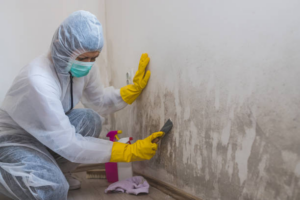
Addressing water damage as part of the overall restoration process helps reduce the risk of additional problems after a fire. If damp materials remain untreated, homeowners may also need to consider mold remediation to address subsequent mold growth.
6. Understand the Residential Fire Damage Restoration Process
Restoring a home after a fire requires a structured approach. The exact process depends on the severity of the damage, the affected materials, and the amount of cleaning and reconstruction required.
Most residential fire restoration projects involve several important stages.
- Initial Inspection and Damage Assessment: Restoration professionals evaluate the property to identify fire, smoke, soot, and water damage. This assessment helps determine which areas can be restored and which materials may need removal.
- Emergency Board-Up and Property Protection: If windows, doors, or roofing have been damaged, temporary protection may be necessary to secure the property and reduce exposure to weather or unauthorized entry.
- Debris Removal and Cleanup: Burned materials and damaged debris are removed from affected areas. Salvageable surfaces and belongings are then evaluated for appropriate cleaning.
- Smoke and Soot Removal: Specialized cleaning methods are used to address soot residue and smoke contamination on affected surfaces.
- Drying and Moisture Control: Water from firefighting efforts is extracted, and affected materials are dried using suitable equipment.
- Repairs and Reconstruction: Once cleanup and mitigation are complete, damaged building materials can be repaired or replaced. Depending on the extent of the fire, this may include drywall replacement, flooring repairs, painting, and other reconstruction work.
For a closer look at what happens during each stage, homeowners can read this fire restoration guide.
Following these stages helps homeowners understand what to expect and why complete restoration may require more than a simple cleanup.
7. Know When to Hire a Professional Fire Restoration Company
Some homeowners may consider handling minor fire cleanup themselves. However, extensive fire damage often requires specialized equipment, training, and cleaning methods.
Professional assistance is particularly important when:
- Fire has affected multiple rooms or structural components.
- Smoke odors remain throughout the property.
- Soot has spread across walls, ceilings, and household belongings.
- Firefighting water has soaked flooring, drywall, or insulation.
- Electrical systems or other essential components have been damaged.
- Significant repairs or reconstruction are required.
A professional restoration company can evaluate the affected areas, develop an appropriate restoration plan, and coordinate the necessary cleanup and repairs.
Attempting extensive restoration without proper equipment or protective measures may expose homeowners to additional risks and leave hidden damage untreated.
8. How Quick Response Restoration Helps Schenectady Homeowners
Recovering from a residential fire requires more than removing burned materials. Homeowners also need help addressing smoke residue, soot, water damage, and repairs that may affect their property’s safety and usability.
Quick Response Restoration provides professional fire and smoke damage restoration services for residential and commercial properties throughout Schenectady County and the surrounding Capital Region.
With more than 25 years of restoration experience and 24/7 emergency response availability, the company helps property owners navigate the recovery process. Its services include emergency board-ups, fire and smoke cleanup, water damage mitigation, mold remediation, and reconstruction.
Quick Response also works directly with insurance adjusters to help simplify the claims and restoration process, allowing homeowners to focus on getting their lives back to normal.
Restore Your Schenectady Home After a Fire
Recovering from a house fire can take time, but understanding the restoration process helps homeowners make better decisions during a difficult situation. From assessing structural damage and removing soot to addressing water damage and completing necessary repairs, every stage plays an important role in restoring a safe and functional living environment.
Taking prompt action can help prevent further property damage and make the recovery process more manageable. If your home has experienced fire, smoke, or related water damage, professional assistance can help you determine the right steps toward restoration.
Contact Quick Response Restoration for residential fire damage restoration in Schenectady. With 24/7 emergency availability and comprehensive restoration services, the team is ready to help homeowners move forward after unexpected property damage.
Frequently Asked Questions
1. What should I do immediately after a house fire in Schenectady?
Wait until authorities confirm that your home is safe to enter. Contact your insurance company, document visible damage, and arrange a professional fire damage assessment.
2. What does residential fire damage restoration include?
Fire damage restoration typically includes damage assessment, debris removal, smoke and soot cleanup, water extraction, structural drying, odor removal, and necessary repairs or reconstruction.
3. How long does residential fire damage restoration take?
The timeline depends on the severity of the fire, the extent of smoke and water damage, and the repairs required. Minor restoration may take days, while extensive damage can require several weeks or longer.
4. Can smoke and soot damage affect areas outside the room where the fire started?
Yes. Smoke can travel through hallways, ventilation systems, and other openings, leaving soot, residue, and unpleasant odors on walls, furniture, ceilings, and personal belongings.
5. Why should I hire a professional for fire damage restoration in Schenectady?
Professional restoration specialists have the equipment and experience to address fire, smoke, soot, and water damage. Quick Response Restoration also provides emergency board-ups, cleanup, and reconstruction services to help homeowners recover.

Robert Serafini serves as Quick Response Restoration’s cornerstone of Experience, Expertise, Authority, and Trust (EEAT). A dedicated member of the Quick Response team since 1998, Robert brings decades of hands-on restoration and insurance industry knowledge to every project. Prior to joining QR, he worked as an independent insurance adjuster, giving him a deep understanding of claims processes, policy interpretation, and customer advocacy.
Robert holds multiple IICRC certifications for fire, water, mold and has successfully managed numerous multi-million-dollar restoration projects, including large-loss and complex commercial assignments. His portfolio also extends internationally, where he has contributed to remediation efforts abroad.
Deeply rooted in the Capital District community, Robert is known for his generosity and civic involvement. He actively hosts and supports charity events benefiting local hospitals, schools, first responders, veterans, Catholic organizations, pet adoption, and local Chambers of Commerce. He is also an engaged member of several professional associations: Saratoga County Chamber, Adirondack Regional Chamber, NYS SFA Chapter, GCAR, ENYSHE and BOMA continuing to elevate industry standards and strengthen community ties.