

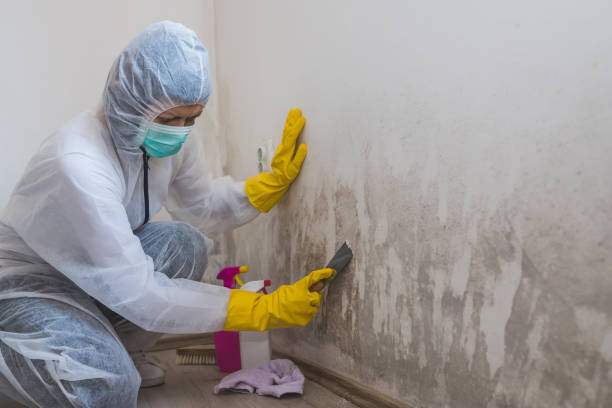
Mold growth is a common concern for homeowners, especially in areas where moisture, humidity, and seasonal weather changes can affect indoor spaces. In Albany, NY, homes may experience water leaks, basement dampness, roof damage, and plumbing issues that create conditions for mold to develop. While mold is not always immediately visible, early warning signs can help homeowners identify a problem before it spreads to other areas of the property.
Recognizing these signs is important for protecting your home and maintaining a healthy indoor environment. From musty odors and visible discoloration to recurring moisture problems, several indicators may suggest that mold is growing behind walls, under flooring, or in other hidden spaces. Understanding when to seek professional mold remediation in Albany, NY, can help prevent further property damage. Homeowners dealing with unexpected property damage can also explore emergency restoration services for timely assistance.
1. Musty or Unpleasant Odors Inside Your Home
One of the earliest signs of possible mold growth is a persistent musty smell. Homeowners may notice an earthy, damp, or stale odor in areas such as basements, bathrooms, closets, and laundry rooms. These smells can remain even after cleaning, opening windows, or using air fresheners.
Mold often develops in areas with limited ventilation and excess moisture. If an unpleasant odor continues without an obvious source, mold may be growing behind drywall, beneath carpets, inside cabinets, or around plumbing fixtures.
Pay attention to rooms where the smell becomes stronger after rain or when the heating and cooling system is running. Identifying the source of the odor can help determine whether a moisture or mold problem needs professional attention.
2. Visible Mold Spots on Walls and Ceilings
Visible discoloration is another common indicator of mold growth. Mold can appear as black, green, gray, brown, or white spots on different surfaces. It may develop in small patches initially but can spread when moisture remains untreated.
Common places where homeowners may notice visible mold include bathroom walls, basement walls, kitchen cabinets, window frames, and ceilings beneath leaking roofs.
However, not every dark spot or discoloration is mold. Dirt, staining, and other surface damage can look similar. If suspicious growth continues to appear or returns after cleaning, investigating the underlying moisture problem is important.
3. Water Stains and Discoloration on Interior Surfaces
Water stains on walls and ceilings can indicate an ongoing or previous moisture issue. Yellowish, brown, or dark patches may develop after roof leaks, plumbing failures, flooding, or water entering through exterior walls.
Even if a surface appears dry, moisture may remain trapped inside building materials. This creates conditions that allow mold to develop over time. Homeowners experiencing recurring moisture issues can learn more about water damage restoration and how it helps address property damage.
Homeowners should pay particular attention to ceiling stains following roof leaks, discoloration around windows, damp patches near bathroom plumbing, and water marks along basement walls.
If stains continue to grow or return after repairs, professional moisture inspection may help identify hidden damage. Recognizing hidden water leaks early can also help prevent prolonged moisture exposure and further damage.
4. Peeling Paint, Bubbling Wallpaper, or Damaged Drywall
Excess moisture can gradually affect the materials used throughout your home. Paint may begin peeling, wallpaper may separate from walls, and drywall can become soft, swollen, or discolored.
These changes often indicate that moisture is entering or becoming trapped behind the affected surface. When damp conditions persist, mold may develop on drywall, insulation, wallpaper backing, and other materials.
This problem is particularly common near bathrooms, kitchens, basements, and exterior walls exposed to water intrusion.
Simply repainting or replacing wallpaper may not solve the issue. The moisture source should be identified and corrected before damaged materials are repaired or replaced.
5. Persistent Dampness in Basements and Crawl Spaces
Basements and crawl spaces are particularly vulnerable to moisture problems. Poor ventilation, foundation leaks, groundwater intrusion, and plumbing issues can create damp conditions that encourage mold growth.
Albany homeowners should pay attention to basement corners, storage areas, wooden support structures, and spaces around foundation walls. A basement that consistently feels damp or develops a musty smell may have an underlying moisture issue.
Basement flooding can make the situation worse by allowing water to soak into flooring, drywall, insulation, and stored belongings. Understanding the importance of basement flood cleanup can help homeowners recognize why prompt water removal and drying matter.
Regularly checking these areas can help identify problems early. If moisture keeps returning despite cleaning or using a dehumidifier, professional evaluation may be necessary.
6. Condensation Around Windows and Pipes
Condensation occurs when warm, moist indoor air comes into contact with cooler surfaces. Homeowners may notice water droplets forming on windows, window frames, cold-water pipes, and exterior walls.
Occasional condensation does not automatically indicate mold growth. However, repeated moisture buildup can keep surrounding materials damp and create favorable conditions for mold.
During colder months, Albany homes may experience condensation around windows and poorly insulated areas. Improving ventilation, controlling indoor humidity, and addressing insulation problems can help reduce moisture accumulation.
If condensation is accompanied by discoloration, musty odors, or visible growth, further investigation is recommended.
7. Recurring Allergy-Like Symptoms and Indoor Discomfort
Mold exposure can cause allergic reactions and respiratory irritation in some individuals. Homeowners may notice sneezing, coughing, nasal congestion, itchy eyes, or skin irritation when spending time indoors.
These symptoms do not necessarily mean mold is present, as many other environmental factors can cause similar reactions. However, if indoor discomfort appears alongside musty odors, water damage, or visible mold, it may be worth investigating the home’s indoor environment.
Understanding the potential mold health risks can help homeowners recognize why addressing persistent mold problems is important.
Anyone experiencing persistent or concerning symptoms should consult a healthcare professional rather than attempting to diagnose the cause themselves.
When Should Albany Homeowners Take Action Against Mold?
Recognizing mold-related warning signs is only the first step. Taking action quickly can help prevent the problem from spreading and reduce damage to your property.
Homeowners should consider professional assistance when mold keeps returning after cleaning, large areas show visible growth, musty odors persist without an obvious source, or water damage has affected drywall, flooring, insulation, or other building materials.
It is also important to address plumbing leaks, roof damage, basement flooding, and other moisture sources as soon as possible. Simply removing visible mold without correcting the underlying moisture problem can allow it to return.
According to the EPA, wet materials should ideally be dried within 24 to 48 hours to help prevent mold growth. Larger affected areas and significant water damage may require professional remediation.
How Quick Response Restoration Helps With Mold Remediation in Albany, NY
When mold growth affects your home, addressing both the visible damage and the underlying moisture issue is important. Quick Response Restoration helps homeowners and businesses in the Albany area with mold remediation and property restoration needs.
Its restoration services also include water damage restoration, fire and smoke damage restoration, storm damage restoration, and biohazard cleanup. Homeowners can learn more about its water damage services and the restoration process involved in addressing water-related property damage.
For properties affected by fire, professional fire damage restoration can help address damage and support the recovery process.
Whether you have noticed visible mold, persistent musty odors, or signs of previous water damage, Quick Response Restoration can help determine the appropriate next steps for your property.
Protect Your Albany Home by Addressing Mold Problems Early
Mold growth can develop in different areas of a home, sometimes remaining hidden until moisture damage becomes noticeable. Musty odors, visible spots, water stains, peeling paint, basement dampness, and recurring condensation are all signs homeowners should take seriously.
The key to managing mold is identifying the source of moisture and addressing the affected materials properly. Delaying action may allow the problem to spread and increase the amount of restoration work required.
If you suspect mold growth in your property, contact Quick Response Restoration for professional mold remediation in Albany, NY. Taking action early can help protect your property, address moisture concerns, and restore a cleaner indoor environment.
Frequently Asked Questions
1. What are the common signs of mold growth in Albany homes?
Common signs include musty odors, visible spots on walls and ceilings, water stains, peeling paint, damp basements, and recurring condensation around windows and pipes.
2. What causes mold growth in homes?
Mold commonly develops due to excess moisture from plumbing leaks, roof damage, basement flooding, poor ventilation, and persistent humidity.
3. Where does mold commonly grow inside a home?
Mold often develops in basements, bathrooms, kitchens, crawl spaces, around windows, beneath carpets, and behind walls where moisture accumulates.
4. When should I contact a professional for mold remediation in Albany, NY?
You should consider professional help when mold keeps returning, growth covers a large area, musty odors persist, or water damage has affected drywall, flooring, or insulation.
5. How can homeowners prevent mold from returning after remediation?
Fixing water leaks, improving ventilation, controlling indoor humidity, drying wet materials promptly, and addressing moisture problems can help reduce the chances of recurring mold growth.

Robert Serafini serves as Quick Response Restoration’s cornerstone of Experience, Expertise, Authority, and Trust (EEAT). A dedicated member of the Quick Response team since 1998, Robert brings decades of hands-on restoration and insurance industry knowledge to every project. Prior to joining QR, he worked as an independent insurance adjuster, giving him a deep understanding of claims processes, policy interpretation, and customer advocacy.
Robert holds multiple IICRC certifications for fire, water, mold and has successfully managed numerous multi-million-dollar restoration projects, including large-loss and complex commercial assignments. His portfolio also extends internationally, where he has contributed to remediation efforts abroad.
Deeply rooted in the Capital District community, Robert is known for his generosity and civic involvement. He actively hosts and supports charity events benefiting local hospitals, schools, first responders, veterans, Catholic organizations, pet adoption, and local Chambers of Commerce. He is also an engaged member of several professional associations: Saratoga County Chamber, Adirondack Regional Chamber, NYS SFA Chapter, GCAR, ENYSHE and BOMA continuing to elevate industry standards and strengthen community ties.