Mold can appear in homes without much warning, especially in areas affected by moisture, humidity,…
Sewage Backup Cleanup: How to Handle Sewer Water Damage
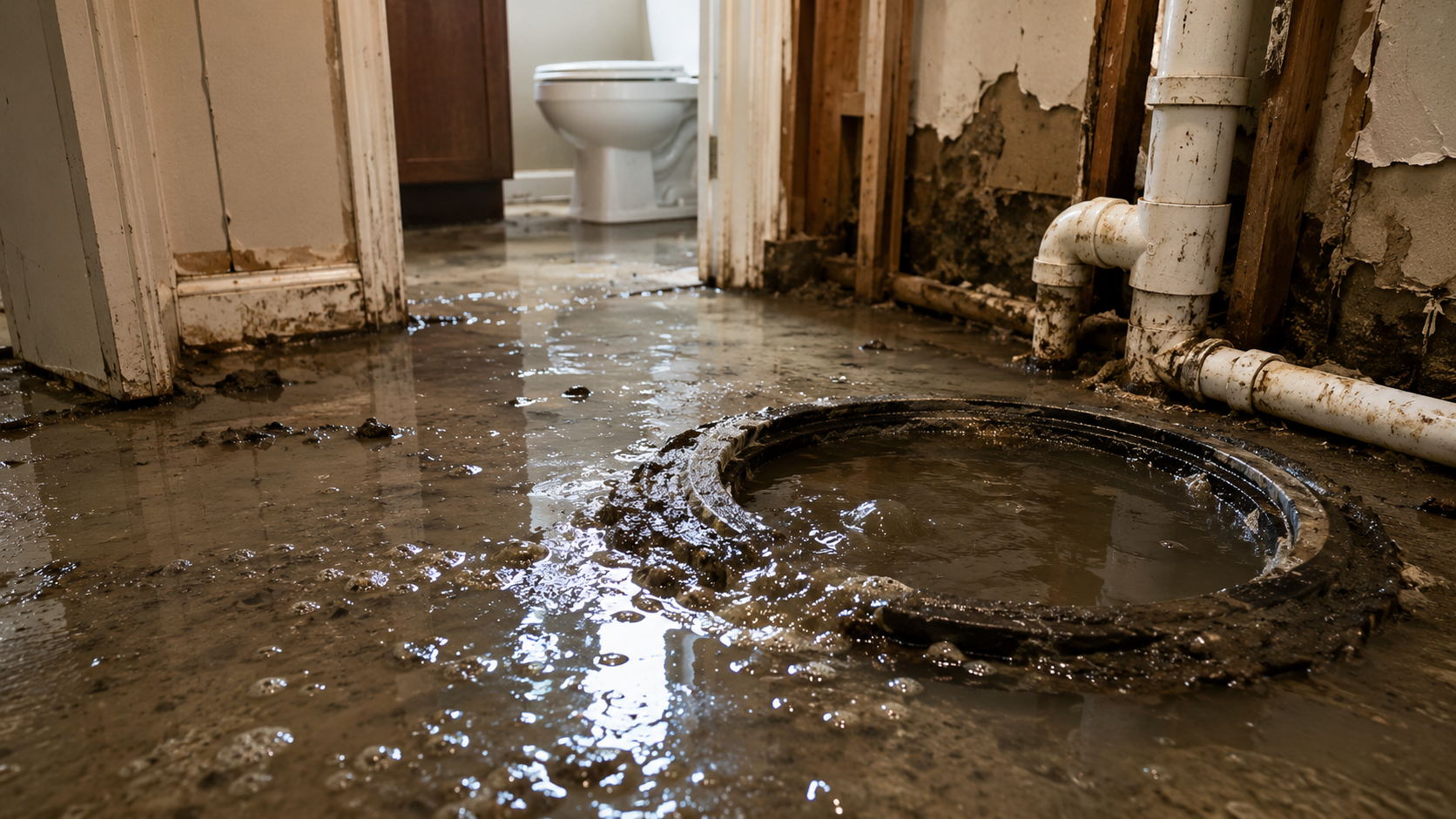
Sewage backups are stressful and unsafe for everyone who is responsible for a property. Frequently, sewer water damage is caused by inclement weather, clogged sewer lines, old plumbing, or tree roots. Quickly, sewer water damage can become untreated health and structural issues. Fast, professionally executed sewage backup cleanup is your protection for your home or business.
Saratoga County property owners rely on Quick Response Restoration to restore their sewer damage and work close to their time frame to leave them worry-free. Knowing what to do after a sewage backup can reduce contamination and limit the growth of mold and the expense of repairs.
What Causes Sewage Backups?
Water can’t drain properly when there is an obstruction in the plumbing or drainage. Sewage backs up through the toilet, sink, or drain, or can even flow into the basement.
Sewage water damage can happen for many reasons.
Clogged Sewer Lines
All plumbing and sewage systems are designed with the principle that sewage flows in one direction and never appeals back. Backward sewage flow means that in one way and the other, the sewage system is compromised, and sewage threatens to overflow in the sinks, toilets, baths, basements, and floor drains. Some of the common causes of sewage backups include:
Clogged Sewer Lines
Sewer pipes become clogged when grease, paper, sanitary items, and debris are thrown into the sewer pipes. If the clogging reaches a critical point, all waste will back up into the house.
Heavy Rainfall and Flooding
Besides disrupting water supply and clogging the water system, flood waters can saturate the municipal sewer system and lead to the sewage backing up into the house/office due to excessive pressure.
Tree Root Intrusion
The underground sewer pipes are designed to keep the moisture away, but sometimes the trees’ roots can grow into the sewer pipes through the cracks and broken joints, and can stop the smooth flow of the sewage.
Aging or Damaged Pipes
The older water supply and sewage pipes become unfit for use, and broken sewer lines cause backflow of sewage and damage that can’t be seen.
Improper Disposal Habits
Habits that lead to the backflow of sewage include throwing (especially non-biodegradable) materials in the pipes, paper towels, grease, and other substances that cause clogging.
Why Sewer Water Damage Is Dangerous
Sewer water is extremely dangerous due to their high contamination levels. Sewers can contain heavy metals, bacteria, viruses, parasites, toxic substances, etc., and can pose extreme health risks to all people exposed to them. Unlike clean water leaks, sewage water includes serious toxins.
Some of these toxins include:
- E. Coli and Salmonella
- Mold caused by excess moisture
- Deteriorated drywall, flooring, and furniture
- Airborne toxins and foul smells
- Structural collapse from prolonged saturation
Elderly and younger people, and those with respiratory disorders, are most exposed to highly hazardous environments, and therefore are more dangerous to expose to contaminated water.
Because sewage contamination spreads quickly, it is most important to clean it right away. Delaying water restoration leaves everything to mold and bacteria, and allows it to multiply throughout the entire property.
Immediate Steps to Take After a Sewage Backup
Sewage backups can be very messy and a lot of work to clean up. However, the number one priority is and should always be for the safety of yourself and for other people who may be impacted by the sewage backup. Here are several actions you should take directly after a sewage backup.
-
Keep a Safe Distance from Sewage Water
Regardless of the size of the sewage backup, you should never come in direct contact with sewage water. You should never enter a flooded area of sewage backup without protective gear.
-
Turn Off the Electricity
If the sewage backup has got high enough to where it is close to the outlets, you can turn the outlets off to the affected area. This should only be done if you can do it safely.
-
Stop Using All of the Plumbing Fixtures
You should avoid completely all use of plumbing fixtures and appliances that are connected to the plumbing.
-
Get Some Air Flow Going
Start to open all doors and windows if the setup allows. This will help improve air flow since there may be sewage odors that need to dissipate
-
Call Restoration Services
Professional companies that perform emergency restoration services have all of the proper equipment and have all of the protective services and protocols that are needed to complete a backed-up sewage cleanup.
Action steps after a backing up sewage system can minimize long term damages and the costs that come from restoration services.
Why Professional Sewage Backup Cleanup Matters
There is a lot of complexity that comes with sewage cleanup that many property owners are not aware of. Porous materials are usually found in the dark and in places that can easily become contaminated, and surface-level cleaning is not able to handle that.
Professional restoration companies provide:
- Industrial-grade water extraction
- Advanced drying and dehumidification
- Sanitization and antimicrobial treatments
- Odor removal
- Moisture detection
- Safe disposal of contaminated materials
Taking a DIY route on cleanup is very dangerous because you become exposed to many pathogens, and because you are never able to find and remove the moisture, the environment becomes very favorable for mold growth.
People looking for sewage backup cleanup services in Saratoga can rely on these services to remove and restore the property as quickly and as safely as possible while lowering the health risks.
The Sewage Cleanup Process
To repair the damage left by sewage, a complete process is followed to clean and sanitize the area and then restore the property.
Inspection and Damage Assessment
Expert restorers dispatch their technicians to evaluate the level of contamination and determine the source of the overflow, and evaluate how much the structure has been compromised.
Water Extraction
The next process is to remove the sewage-contaminated water by using specialized pumps and apparatus. This has to be done quickly to prevent the water from contaminating other areas.
Removal of Damaged Materials
Items such as carpeting and drywall lose their structural integrity as well as become unsalvageable and, subsequently, unserviceable. These items must be removed from the premises.
Deep Cleaning and Sanitization
When deep cleaning and sanitizing, professional disinfectants and antimicrobial solutions are used to target bacteria and other harmful remains.
Drying and Dehumidification
Hidden moisture trapped in structural materials is removed with the use of industrial air movers and dehumidifiers.
Odor Elimination
There are professional deodorization services which aid to remove the unpleasant, lingering smells from the sewage.
Restoration and Repairs
The most extensive damage may require more labour-intensive repairs, such as the installation of new drywall, the restoration of flooring, painting, or even rebuilding.
Preventing Future Sewer Backups
The truth is, some sewer backups occur without warning. However, taking preventative steps will keep the chances of those disruptions to a minimum.
Schedule Routine Sewer Inspections
Regular professional inspections can identify issues like cracks, roots, and even partial sewer blockages.
Avoid Flushing Problem Materials
Never, ever flush the following: wipes, greases, hygiene products, paper towels, or food.
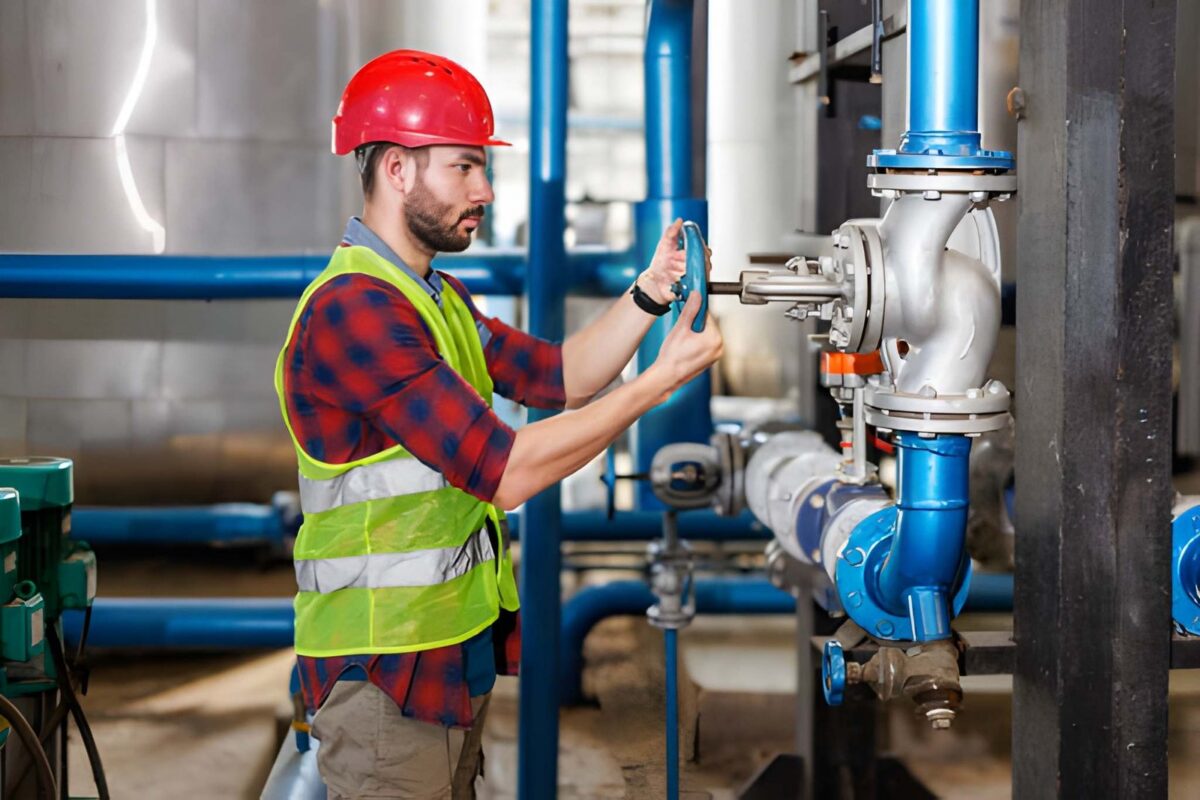
Install a Backwater Valve
Backwater valves prevent sewage from flowing back into the home from the ground during big rains or sewer system overloads.
Maintain Drainage Systems
Keeping gutters, downspouts, and outside drainage clear reduces water buildup around your property.
Address Plumbing Issues Early
Clogs are the most obvious sign of trouble, slow draining and gurgling should be taken seriously as well.
Those having to deal with older commercial properties in Saratoga County know how easy it is to create sewer system issues from a combination of old systems and inadequate maintenance.
Why Choose Quick Response Restoration in Saratoga County
When dealing with sewer water damage, the speed of the response is crucial. For this reason, Quick Response Restoration provides emergency restoration services to residential and commercial clients all over Saratoga County.
Their team knows the urgent nature of these situations and are trained to understand the best and safest practices during an emergency, as well as to help reduce the damage done with specialized equipment.
Customers of Quick Response Restoration Water and Sewer Damage Services rely on them for their:
- Quick emergency response
- Years of experience in restoration
- Complete sanitation processes
- Drying equipment that is cutting-edge
- Expertise related to Saratoga County and the risks associated with weather
When you have a local restoration company that is dependable, the impact during stressful situations is improved drastically.
Conclusion
Water damage from sewage is not just a plumbing issue; it’s a major health risk which is not safe and should be dealt with immediately by a professional. If a sewage backup is done quickly, it will help reduce the risk of exposure, protect your property from being contaminated, and prevent damage from occurring from the building being compromised.
If you live in Saratoga County, Quick Response Restoration is a great team of experts to make sure the cleanup is done as quickly and thoroughly as possible.
If you have a sewage backup issue or want to prepare your property to not have it happen again, the best way to secure your property is to have professional services deal with the issue.
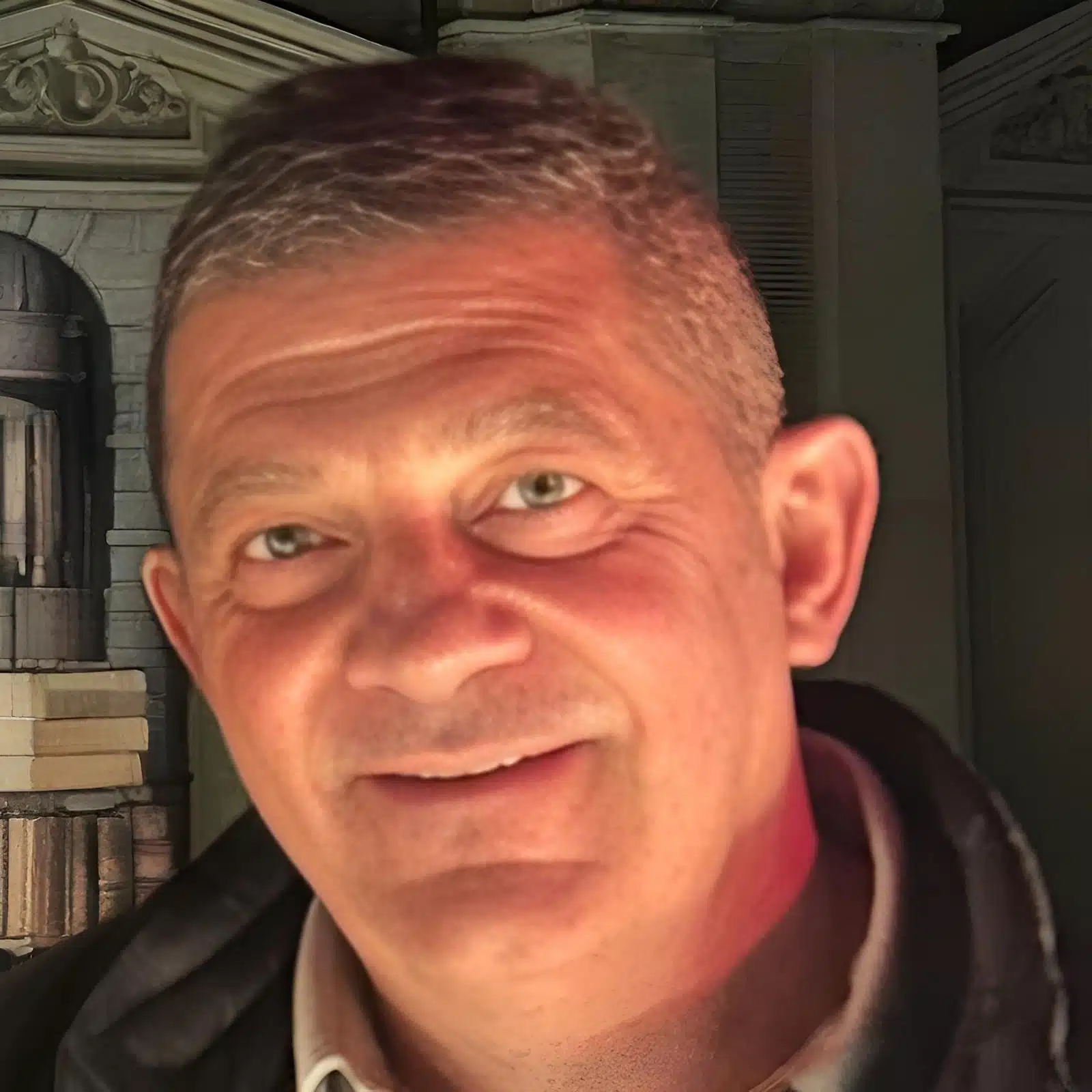
Robert Serafini serves as Quick Response Restoration’s cornerstone of Experience, Expertise, Authority, and Trust (EEAT). A dedicated member of the Quick Response team since 1998, Robert brings decades of hands-on restoration and insurance industry knowledge to every project. Prior to joining QR, he worked as an independent insurance adjuster, giving him a deep understanding of claims processes, policy interpretation, and customer advocacy.
Robert holds multiple IICRC certifications for fire, water, mold and has successfully managed numerous multi-million-dollar restoration projects, including large-loss and complex commercial assignments. His portfolio also extends internationally, where he has contributed to remediation efforts abroad.
Deeply rooted in the Capital District community, Robert is known for his generosity and civic involvement. He actively hosts and supports charity events benefiting local hospitals, schools, first responders, veterans, Catholic organizations, pet adoption, and local Chambers of Commerce. He is also an engaged member of several professional associations: Saratoga County Chamber, Adirondack Regional Chamber, NYS SFA Chapter, GCAR, ENYSHE and BOMA continuing to elevate industry standards and strengthen community ties.
Related Posts