Wind speed is one of the fastest ways a storm can turn from “no big deal” to “serious home damage.” Thunderstorms, hurricanes, winter storms, and straight-line winds can all create pressure that lifts shingles, shakes siding, and sends debris flying. When you understand how wind behaves at different mph levels, you can act sooner and protect your property.
At Quick Response Restoration, we know how overwhelming storm cleanup can feel. This guide explains what homeowners typically see at different wind speeds, what makes damage worse, and what to do before and after a storm.
How Wind Speed Affects Your Home
Home damage is not caused by wind speed alone. Construction quality, roof age, maintenance, and nearby trees all play a major role. Additionally, wind direction and sudden gusts can push and pull on the same area in seconds.
A newer, well-maintained home may handle strong winds better than an older home with loose shingles or aging siding. However, even a solid home can suffer if debris impacts windows or doors.
Key Factors That Change Wind Damage Risk
- Roof condition: Missing shingles, weak flashing, and old underlayment fail sooner.
- Openings: Garage doors, windows, and entry doors can be forced or hit by debris.
- Trees and soil: Saturated ground makes uprooting more likely.
- Gusts: Peak gusts often cause the worst failures.
What Can Happen at Lower Wind Speeds?
Lower wind speeds can still cause trouble, especially if items outside are unsecured. Around 30 to 40 mph, you may see branches moving heavily and patio furniture shifting. Therefore, it is smart to treat these forecasts as a warning.
At this range, lightweight objects like trash cans, umbrellas, and décor can become projectiles. If they strike siding, vehicles, or windows, they can cause dents, cracks, or broken glass.
Quick Safety Steps at 30–40 mph
- Bring in or tie down patio furniture and grills.
- Secure trash bins and yard tools.
- Park vehicles away from large trees when possible.
When Does Wind Speed Become Dangerous for Homeowners?
For many homes, wind speed becomes notably more dangerous around 50 to 60 mph. At these levels, larger branches can break, especially on trees weakened by disease, drought, or previous storms. Additionally, saturated soil makes tree failure more likely.
Roofs also become more vulnerable. Loose shingles, gutters, flashing, and soffit panels may lift or detach in strong gusts. Once materials loosen, the next gust can peel them back faster.
Common Warning Signs Your Home Is at Higher Risk
- Shingles that look curled, cracked, or missing granules.
- Loose gutter sections or sagging downspouts.
- Tree limbs hanging over the roofline.
Wind Speeds Above 60 mph and Structural Damage Risk
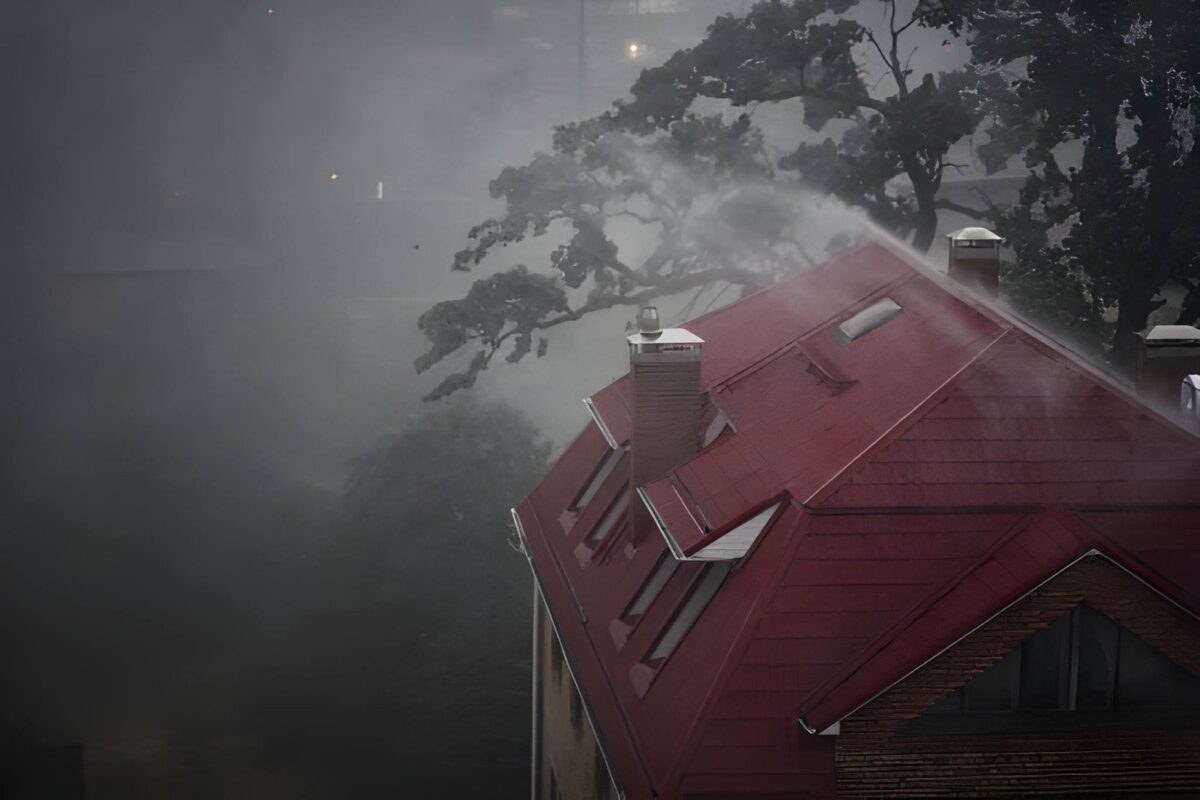
Wind speeds above 60 mph can create serious risks for roofs, windows, and exterior materials. Strong gusts may tear off shingles, damage roof decking edges, and pull siding away from the wall. As a result, rain can enter quickly and cause interior water damage.
Older roofs are often hit hardest. If wind gets under a lifted shingle or flashing, it increases uplift pressure and can spread damage across a larger roof section.
Windows and doors can also fail if struck by airborne debris. Broken glass is an immediate hazard and allows wind-driven rain into the home.
If your property experiences significant storm-related damage, understanding the restoration process can help you respond quickly. Learn more about why storm damage restoration is important and what steps may be needed after a severe weather event.
What Happens During Hurricane-Force Winds?
Hurricane-force conditions can cause severe property damage, including roof loss, broken windows, and collapsed fences or garages. Large trees may fall onto homes, cars, and power lines. Consequently, homeowners may face power outages and prolonged water intrusion.
The final outcome depends on construction quality, storm duration, peak gusts, and how much debris is flying. Even well-built homes can suffer if a single impact breaks a window or compromises a door.
Wind Gusts vs Sustained Wind Speed: Why It Matters
When reviewing a forecast, compare sustained wind with predicted gusts. A report may show moderate sustained wind speed while gusts spike much higher. Those brief bursts can be enough to rip shingles, snap limbs, or move heavy objects.
A gust is a short jump in wind strength that hits like a sudden shove. Therefore, always plan for the highest gust number, not only the average wind reading.
How Wind Can Damage a Roof
Your roof takes the most direct impact during a wind event. High winds can lift shingles, bend flashing, loosen gutters, and expose underlayment. Once that protective layer is compromised, even moderate rain can lead to leaks.
Water intrusion can cause ceiling stains, wet insulation, damaged drywall, and mold growth if moisture remains trapped. If wind damage results in water entering your home, prompt action is important. You can also review these water damage restoration steps for homeowners to understand why quick response matters.
However, you should avoid climbing onto the roof after a storm, especially when surfaces are wet or unstable.
Safe Signs to Look for From the Ground
- Shingles in the yard or driveway.
- Uneven rooflines or lifted edges along ridges.
- Gutter sections pulled away from the fascia.
- New water spots on ceilings or walls.
Protecting Your Home Before Strong Winds
Preparation reduces storm damage and stress. Move loose items indoors, and secure anything that could become airborne. Additionally, basic maintenance often prevents expensive repairs.
- Trim dead or overhanging branches well before storm season.
- Fix loose shingles, flashing, and siding early.
- Clear gutters so water can drain properly.
- Close and latch windows and doors; reinforce garage doors if needed.
If strong wind speeds are forecast, stay indoors during peak conditions and keep away from windows.
What to Do After Wind Damage
After the storm, inspect your property from a safe location. Look for missing shingles, damaged siding, broken windows, fallen limbs, and signs of leaks. If you suspect structural issues or downed power lines, keep your distance and contact local authorities.
Document visible damage with photos and notes. Then, address openings quickly to limit further water damage. Prompt action often prevents secondary problems like rot and mold. If moisture remains in the property after storm damage, it can also contribute to mold growth. Learn more about how quickly mold can grow after water damage and why timely drying matters.
Quick Response Restoration can help you assess storm-related damage and start the restoration process.
Conclusion
Understanding wind speed helps homeowners recognize when weather may threaten roofs, windows, siding, trees, and outdoor structures. In many cases, damage becomes more likely around 50–60 mph, and the risk rises sharply above 60 mph, especially with strong gusts.
Since wind damage depends on maintenance, materials, and debris impacts, prepare early and respond quickly. If your home was hit by high winds, Quick Response Restoration is ready to help. Contact the restoration team today for professional support.
FAQs
1. What wind speed can damage a house?
Wind around 50 to 60 mph can start causing damage to shingles, siding, gutters, and trees. Higher gusts can cause more severe damage.
2. Can 40 mph winds damage a roof?
Yes. At 40 mph, a roof with loose shingles or weak flashing may suffer damage. Debris and falling branches can also puncture or crack roofing materials.
3. Are wind gusts more dangerous than sustained winds?
Gusts can be more damaging because they create sudden pressure changes. They can lift shingles, snap branches, and turn outdoor items into airborne debris.
4. How can I protect my home before strong winds?
Secure outdoor items, trim weak branches, inspect and repair roof components, and keep gutters clear. Follow local alerts and plan for peak gusts.
5. What should I do if strong winds damage my home?
Stay safe, avoid hazards like downed lines, and document damage. Cover openings if possible, then contact a restoration professional to prevent further water damage.