When homeowners discover mold in their property, one of the first questions is usually about…
How Quickly Does Mold Grow After Water Damage?
Water damage can happen in several ways. A broken or burst pipe, roof leaks, appliance failure, or flooding. Besides the suddenness of water damage, many homeowners and business owners are shocked to learn how quickly mold can grow after water has entered buildings. Mold can begin growth in as little as 24 hours and, most typically, after 48 hours. These quick timeframes are why prompt action and hiring a professional, like Quick Response Restoration, are so critical.
How long can I wait until I need to hire a professional? The truth is, there is no determined amount of time for waiting. The longer that water sits, the more the risk of mold and structural damage grows, along with more expensive repairs. If you’re searching for water damage restoration service near me, the best action you can take is to hire a professional.
Why Mold Grows So Fast After Water Damage
Mold spores are in the air around humans. They can be harmful, but typically aren’t. Mold can grow and spread after water has entered a building because mold can thrive in spoiled environments.
Those environments are all of the following:
- Warm and humid
- Poorly ventilated
- Dark or hidden from sunlight
- Filled with absorbent materials like drywall, wood, insulation, and carpet
After water damage has occurred, the conditions for these environments can be found undetected behind walls, under flooring, and inside ceilings. Even the smallest of leaks can create the ideal conditions for mold.
The Typical Mold Growth Timeline
The timeline can help individuals recognize when a cleanup is urgent.
Day 1:
Mold spores attach to damp surfaces. The growth may not be visible, but it is present.
Days 2-3:
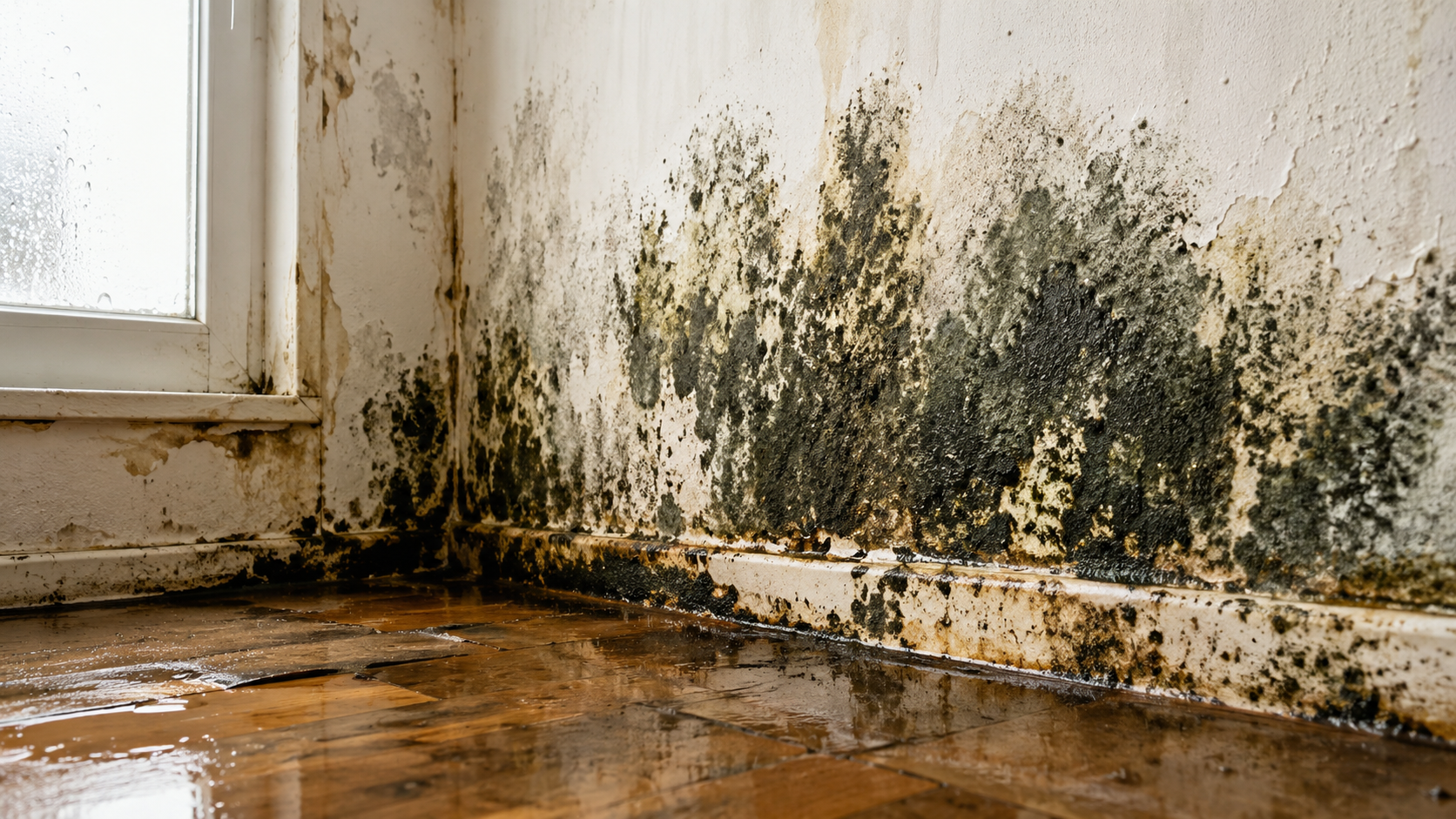
Small mold colonies can be seen. Discoloration on walls, a musty odor, and higher indoor humidity can be detected.
Days 4-10:
Mold growth can be seen on furnishings. Mold can grow on insulation, carpeting, and walls.
Week 2 and Onwards:
Mold can contain dynamic structural problems to the property. The quality of air can also be affected.
This example reminds us of the importance of immediate water restoration service in my region. Delaying the cleanup only raises the restoration and health costs.
Common Areas Where Mold Appears After Water Damage
Before mold becomes visible, it can thrive in concealed areas. Trouble spots to note are:
- Behind walls
- Under carpets and carpet pads
- Inside heating, ventilation, and air conditioning (HVAC) systems
- Along windows and doors
- Ceilings cavities
- Walls of the basement
- Crawlspaces
- Wooden subfloors
Business owners should look for water damage in hidden/less exposed areas such as the storage rooms, server rooms, the commercial kitchen, unexposed parts of the ceiling, etc.
At Quick Response Restoration, our technicians use specialized tools to detect extra moisture and thermal imaging to help locate where water damage is hidden so we can stop mold before it starts to grow.
Health Risks Associated With Mold Exposure
The negative health consequences resulting from mold infestations are often undervalued and unappreciated. Mold can be particularly harmful in both residential and commercial environments, especially to children, the elderly, and those with respiratory illnesses.
- Common Effects of Mold Exposure
- Coughing and sneezing
- Irritated eyes
- Constricted nasal passage
- Skin rashes and irritation
- Unexplainable headaches
- Extreme tiredness
- Asthma exacerbation
- Increased breathing difficulty
Mold can also greatly affect a business operation by adding liability to the business, discomfort and dissatisfaction to the employees, dissatisfaction to the customers, and also disrupt the normal business operations.
If proper mold remediation is done, there’s a high chance of containing the mold spread and restoring the safe levels of the indoor air quality.
How Water Damage Restoration Prevents Mold
Water damage restoration was created to prevent mold from growing. Quick drying and water removal cause the business to lower the chances of creating a habitat conducive to the growth of mold.
The Common Steps of the Restoration Process
- Water Removal From the Site
All water that is present should be rapidly eliminated using industrial pumps and vacuums.
- Moisture Detection
Specialized equipment is used to find moisture that is hidden behind walls and beneath flooring.
- Structural Drying
Affected areas are dried rapidly using powerful air movers and dehumidifiers.
- Sanitization
To inhibit bacteria and mold growth, surfaces are cleaned and disinfected.
- Damage Assessment
Restoration specialists review the structure and assess what repairs are necessary.
When searching for water damage restoration services near me, homeowners should choose companies offering emergency services and complete drying solutions. To avoid spreading mold, time is crucial.
When Mold Remediation Becomes Necessary
Standard clean-up methods may not suffice when mold has started to grow. Professional mold clean-up is the safe removal of rotten materials and proper precautions to stop mold spores from propagating.
Signs Indicating the Need for Mold Removal
- Unpleasant persistent smell
- Black, green, or white spots
- Water marks on walls or ceilings
- Deteriorating paint or walls
- Indoor allergies
- Recent flooding or plumbing issues
Homeowners use bleach or regular household cleaners for mold removal. These methods are not effective, and mold continues to grow in the hidden areas.
The professional mold removal specialists seal the area, remove the spoiled materials, and filter the spores and air.
Why Immediate Response Matters for Businesses
For companies, the financial losses can be significant. The normal growth of mold can impede daily tasks, spoil the goods, and upset customers.
All commercial and private enterprises become vulnerable when uncontrolled moisture issues are present.
Services for water damage restoration offer:
- Short stoppages
- Preservation of goods and restoration of buildings
- Prevention of unnecessary repairs
- Preservation of the interstellar and fragile
- Protection of the newfound spores
At Quick Response Restoration, we know that our emergency teams need to reduce the time, and the restoration of your commercial property needs to be done in a professional manner.
How to Prevent Mold After Water Damage
While it is important to have qualified professionals handle the restoration, there are measures property owners can take to deter mold after water damage.
Helpful Suggestions for Mold Prevention
Remove Standing Water Quickly
The faster water is removed, the lower the risk of mold growth.
Improve Air Circulation
When getting rid of water, use open windows and fans as appropriate.
Reduce Indoor Humidity
Dehumidifiers keep relative humidity below 50%.
Remove Wet Materials
Heavily soaked carpets and furniture probably need to go, along with soaked insulation.
Inspect Hidden Areas
Water can often find its way behind walls or below flooring.
Take Care of the Hidden Leaks
Even the smallest leaks can cause a lot of issues.
For hidden mold, take preventative action to avoid the cost of damage. It can be easy to look up water damage restoration services, but seeking help for small or no visible issues is a great way to help prevent the bigger issues that can come in the future.
The Long-Term Impact of Untreated Water Damage
Ignoring water damage never solves the issue. Even if the water-damaged areas seem to be completely dry, moisture will remain and will continue to damage the materials that the moisture is retained in, meaning that the damage will continue for days or even weeks before the next phase of the damage is visible.
Some long-term effects of water damage may include the following:
- Wood decay
- Problems with the structure of a building
- Collapsed ceilings
- Electrical safety issues
- Smells that never go away
- Decreased value of the property
- Mold
For a home or a business, the combination of thorough water damage restoration and professional mold remediation can help mitigate the effects that can become extremely costly. Mold and water damage do not imply that the property will be in good condition forever.
Why Choose Quick Response Restoration
When dealing with water damage, time truly is of the essence. Quick Response Restoration can provide the combination of a speedy first response, advanced drying systems, and removal of the damage to help keep mold from protecting the new barriers to growth.
Our technicians have the expertise to deal with flood damage, burst and leaking pipes, as well as plumbing issues and the resulting damage to property that carries with it the potential for hidden leaks.
They can restore property with their special care and proven systems. When people search for water damage restoration services near me, the number of restoration services is limited. Choosing a restoration service that truly restores a property to pre-loss condition, as well as affected parties for their peace of mind, and truly facilitates recovery is important.
Final Thoughts
How fast does mold grow on water damage? It grows really fast, and can usually develop in 24-48 hours. This makes the issue of dealing with water damage and the long-term consequences, which include mold damage, a serious priority because health, safety, and financial issues all center around the same issue.
Consistent water restoration services can salvage property and remove residual moisture after a severe disaster. Mold infestations can be taken care of at the same time.
If your property has had issues with leaks, flooding, or moisture, you shouldn’t wait for mold to start appearing to start worrying. Get in touch with Quick Response Restoration right away. Our emergency restoration services will give the best protection to your home or business.

Robert Serafini serves as Quick Response Restoration’s cornerstone of Experience, Expertise, Authority, and Trust (EEAT). A dedicated member of the Quick Response team since 1998, Robert brings decades of hands-on restoration and insurance industry knowledge to every project. Prior to joining QR, he worked as an independent insurance adjuster, giving him a deep understanding of claims processes, policy interpretation, and customer advocacy.
Robert holds multiple IICRC certifications for fire, water, mold and has successfully managed numerous multi-million-dollar restoration projects, including large-loss and complex commercial assignments. His portfolio also extends internationally, where he has contributed to remediation efforts abroad.
Deeply rooted in the Capital District community, Robert is known for his generosity and civic involvement. He actively hosts and supports charity events benefiting local hospitals, schools, first responders, veterans, Catholic organizations, pet adoption, and local Chambers of Commerce. He is also an engaged member of several professional associations: Saratoga County Chamber, Adirondack Regional Chamber, NYS SFA Chapter, GCAR, ENYSHE and BOMA continuing to elevate industry standards and strengthen community ties.
Related Posts