A burst pipe, leaking water heater, or suddenly damaged plumbing line can release a surprising amount of water damage into your home within minutes. Knowing where your water turn off valve is located can help you respond quickly and limit the amount of water entering your property before professional help arrives. For homeowners, finding this valve before an emergency happens is one of the simplest ways to prepare for an unexpected plumbing problem.
At Quick Response Restoration, we understand how quickly plumbing emergencies can become serious water damage situations. Knowing how your home’s main water supply works and how to shut it off can give you valuable time to protect your belongings, flooring, walls, and other parts of your property.
What Is a Water Turn Off Valve?
A water turn off valve controls the flow of water entering your home through the main water supply line. When the valve is closed, it stops or significantly restricts water from continuing into the property’s plumbing system.
The main valve is different from the smaller valves located underneath sinks, behind toilets, or near individual appliances. Those valves control water to specific fixtures, while the main valve is designed to control the water supply throughout the home.
Knowing the difference is important during an emergency because shutting off a fixture valve may not stop water flowing from a burst pipe elsewhere in the property. The main valve is intended to control the water supply to the entire home, making it an important part of emergency preparation.
Where Is the Main Water Turn Off Valve Located?
The location of your water turn off valve depends on the home’s design, age, plumbing system, and local climate. In many homes, the main valve is located near the point where the primary water line enters the building.
Homeowners may find it in a basement, crawl space, garage, utility room, mechanical room, or near an exterior wall. In some properties, the valve may be located inside a dedicated water meter box outside the home.
If you live in a warmer climate, the main valve may be located outdoors or near an exterior entry point. Homes in colder regions often have the valve positioned inside to reduce the risk of freezing.
If you recently moved into a home, take some time to locate the valve before an emergency occurs. You can also mark its location or make sure other household members know where it is.
How to Identify the Main Water Valve
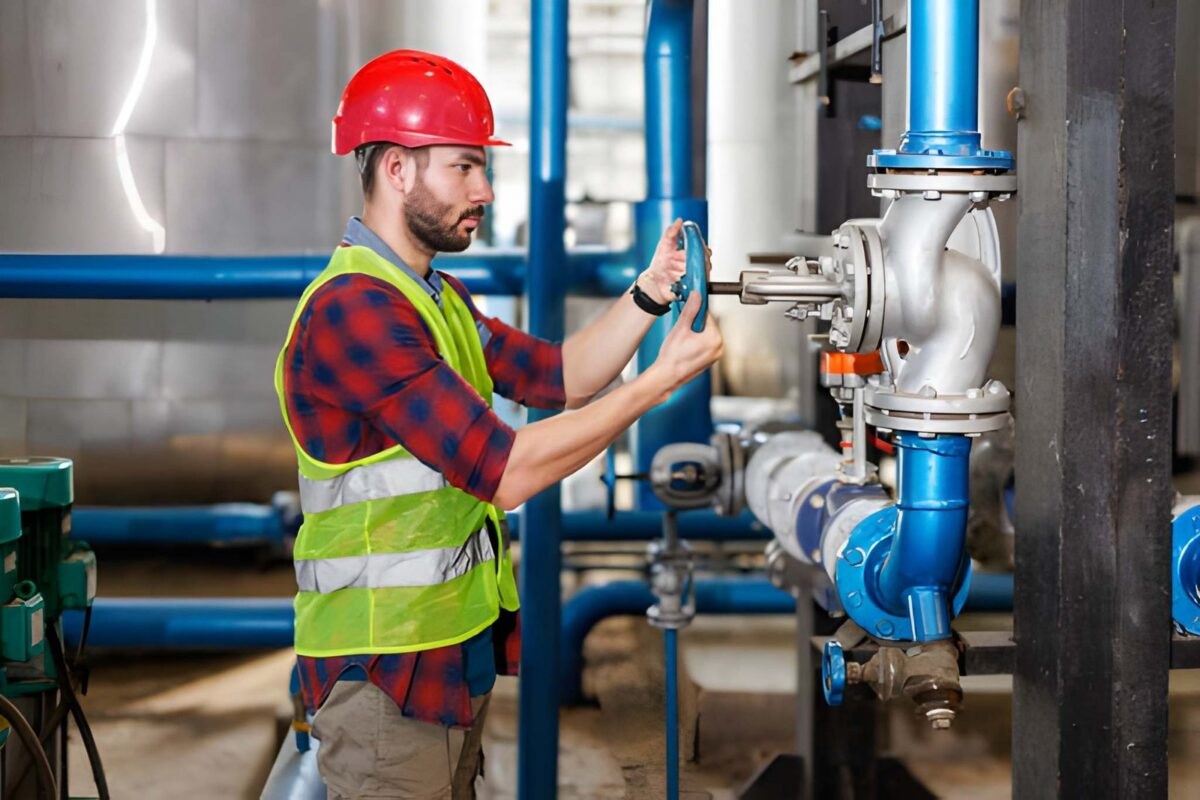
Once you locate the main water line, look for a valve installed directly on or near the pipe. The valve may have a round handle or a lever-style handle depending on the plumbing system.
A round wheel-style valve is generally closed by turning it clockwise until it stops. A lever-style valve is typically closed by turning the handle so it sits perpendicular to the pipe.
The main valve should be connected to the primary water supply rather than a smaller line serving an individual fixture. If you are unsure which valve controls the entire property, do not randomly turn valves during an emergency.
Do not force a valve that is difficult to operate. Older plumbing components can become corroded or stuck, and excessive force may cause additional damage. If the valve appears damaged or cannot be operated safely, consider having a qualified plumber inspect it.
How to Turn Off Your Main Water Supply
During a plumbing emergency, first identify the source of the leak if it is safe to do so. If water is flowing from a damaged pipe or fixture and you can safely access the main water turn off valve, close it as quickly as possible.
For a traditional wheel-style valve, turn the handle clockwise until it stops. Do not continue forcing it once it reaches the closed position. For a lever-style valve, move the handle until it is positioned across the direction of the pipe.
After closing the valve, open a faucet briefly to relieve pressure from the plumbing system. Check whether the water flow has stopped before beginning cleanup.
If electrical outlets, appliances, or electrical equipment have been exposed to water, avoid touching them and leave the area if there is an electrical hazard. Safety should always come before attempting to remove water or inspect damaged areas.
Why You Should Locate the Valve Before an Emergency
Searching for a water turn off valve while water is rapidly spreading through your home can waste valuable time. Water can quickly move beneath flooring, enter walls, soak insulation, and damage furniture and personal belongings.
Taking a few minutes to locate the valve now allows everyone in the household to know where it is and how it operates. It is also helpful to make sure the valve can actually be turned before an emergency occurs.
Understanding potential plumbing risks can also help homeowners prepare. For example, learning about the common causes of burst pipes can help you recognize situations that may increase the likelihood of a plumbing emergency.
If the valve is difficult to access or appears damaged, consider having a qualified plumber inspect it before you need it.
What If You Cannot Find the Main Valve?
If you cannot locate your home’s main water turn off valve, check around the water meter and the point where the main supply line enters the property. You can also review your home’s plumbing documentation or ask a plumber to identify the valve.
Some properties may have unusual plumbing layouts, especially older homes or buildings that have undergone renovations. The main valve may also be located in an area that is not immediately obvious.
If you are unsure which valve controls the entire property, avoid randomly turning valves that could control individual fixtures. During an active leak, contacting a professional plumber can help you determine the safest next step.
What to Do After Shutting Off the Water
Closing the water turn off valve is only the first step when a significant leak has occurred. Once the water supply is controlled, remove standing water if it can be done safely and move undamaged belongings away from wet areas.
Water that remains inside flooring, walls, cabinets, or other materials can continue causing problems even after the visible leak has stopped. Moisture can also create conditions that contribute to mold growth if affected areas are not properly dried.
Professional assessment can help determine how far moisture has traveled and which materials require drying, cleaning, or replacement. Homeowners dealing with a significant leak can also learn more about how water damage cleanup services work.
How Quick Response Restoration Can Help
At Quick Response Restoration, we know that water emergencies require prompt attention. Whether the problem involves a burst pipe, overflowing appliance, plumbing failure, or another source of unwanted water, addressing the damage quickly can help reduce further property deterioration.
Our restoration professionals can assess affected areas and help with the necessary cleanup and drying process. Acting quickly after shutting off your home’s water supply can make an important difference in protecting your property.
If a plumbing problem has already caused significant water damage, professional restoration may be necessary to address moisture that has spread beyond the visible area.
When Should You Call for Water Damage Restoration?
Not every small plumbing leak will require extensive restoration, but significant water exposure should be assessed promptly. Signs such as soaked flooring, wet drywall, standing water, persistent moisture, or water that has entered multiple rooms can indicate that the problem is more extensive than it initially appears.
Quick action can help reduce the chance of further deterioration. If water has affected structural materials or remained inside the property for an extended period, professional drying and moisture assessment may be especially important.
For homeowners dealing with an active or recent water emergency, water damage restoration services can help address affected areas and begin the recovery process.
Conclusion
Knowing where your water turn off valve is located is a simple but important part of home emergency preparation. When a plumbing problem occurs, shutting off the main water supply quickly can help reduce the amount of water entering your home and limit potential damage.
Take time to locate the valve before you need it, make sure it can be operated safely, and ensure everyone in your household knows where it is. If a plumbing emergency has already caused significant water damage, prompt professional assistance can help you take the next steps toward restoring your property and getting your home back to a safe, dry condition.
FAQs
1. Where is the main water shut-off valve usually located?
The main valve is commonly found near the point where the water supply line enters the home. Check areas such as the basement, garage, utility room, crawl space, or near the water meter.
2. How do I shut off the water to my entire house?
Locate the main valve and turn a wheel-style handle clockwise until it stops. If it has a lever, turn it so the handle is perpendicular to the pipe. Avoid forcing a valve that is stuck or damaged.
3. Why is it important to know where my main water valve is?
Knowing its location allows you to stop the water supply quickly during a burst pipe, plumbing leak, or other emergency. Acting quickly can help reduce the amount of water that reaches floors, walls, furniture, and other property.
4. What should I do after shutting off the water?
If the area is safe, remove standing water and move unaffected belongings away from wet areas. You should also arrange for the plumbing problem to be repaired and have significant water damage professionally assessed and dried.
5. What if I cannot find my home’s main water valve?
Check near the water meter and where the main supply pipe enters your property. If you still cannot locate it, contact a qualified plumber for assistance. During an active water emergency, professional restoration help may also be needed.