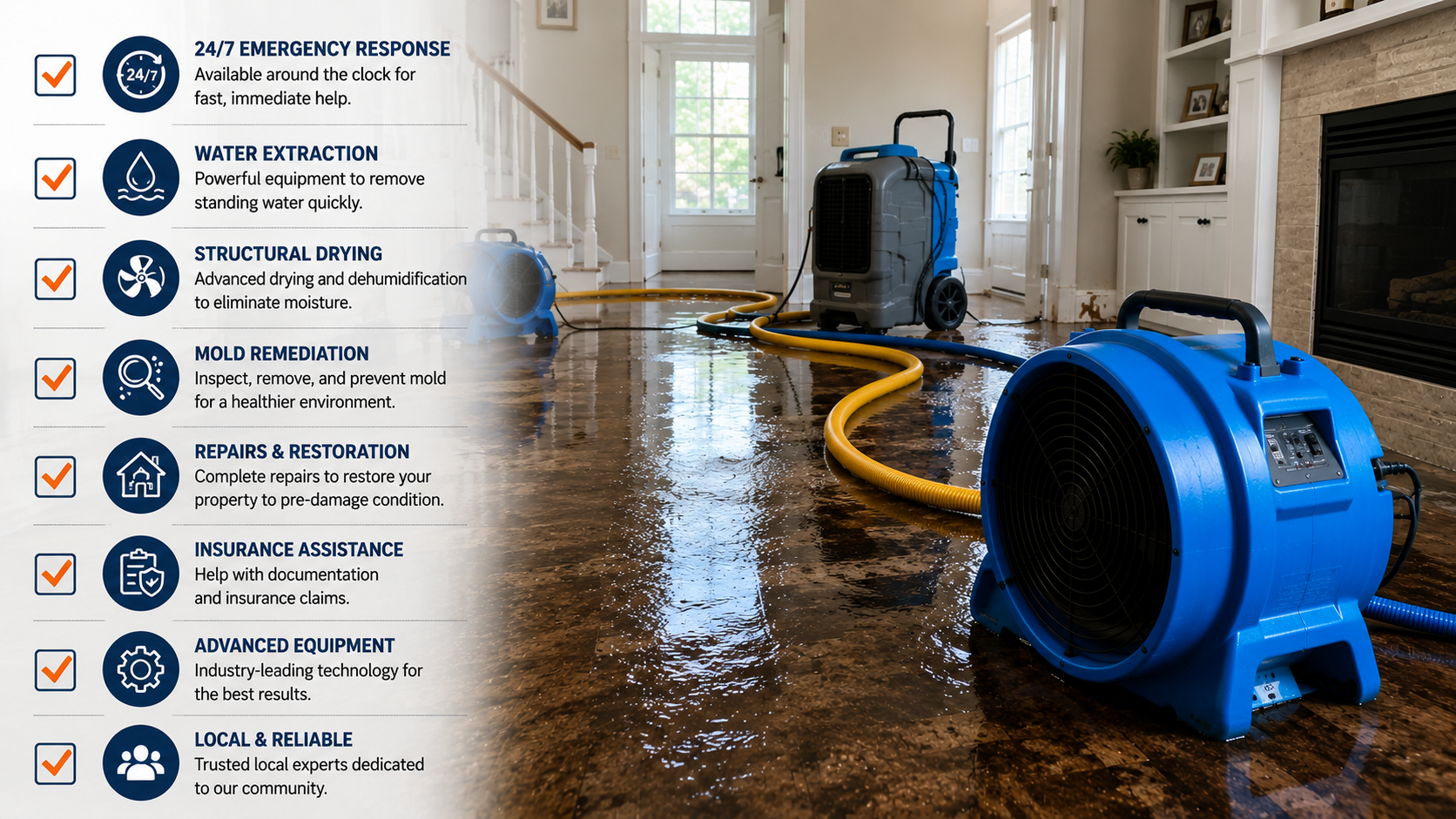
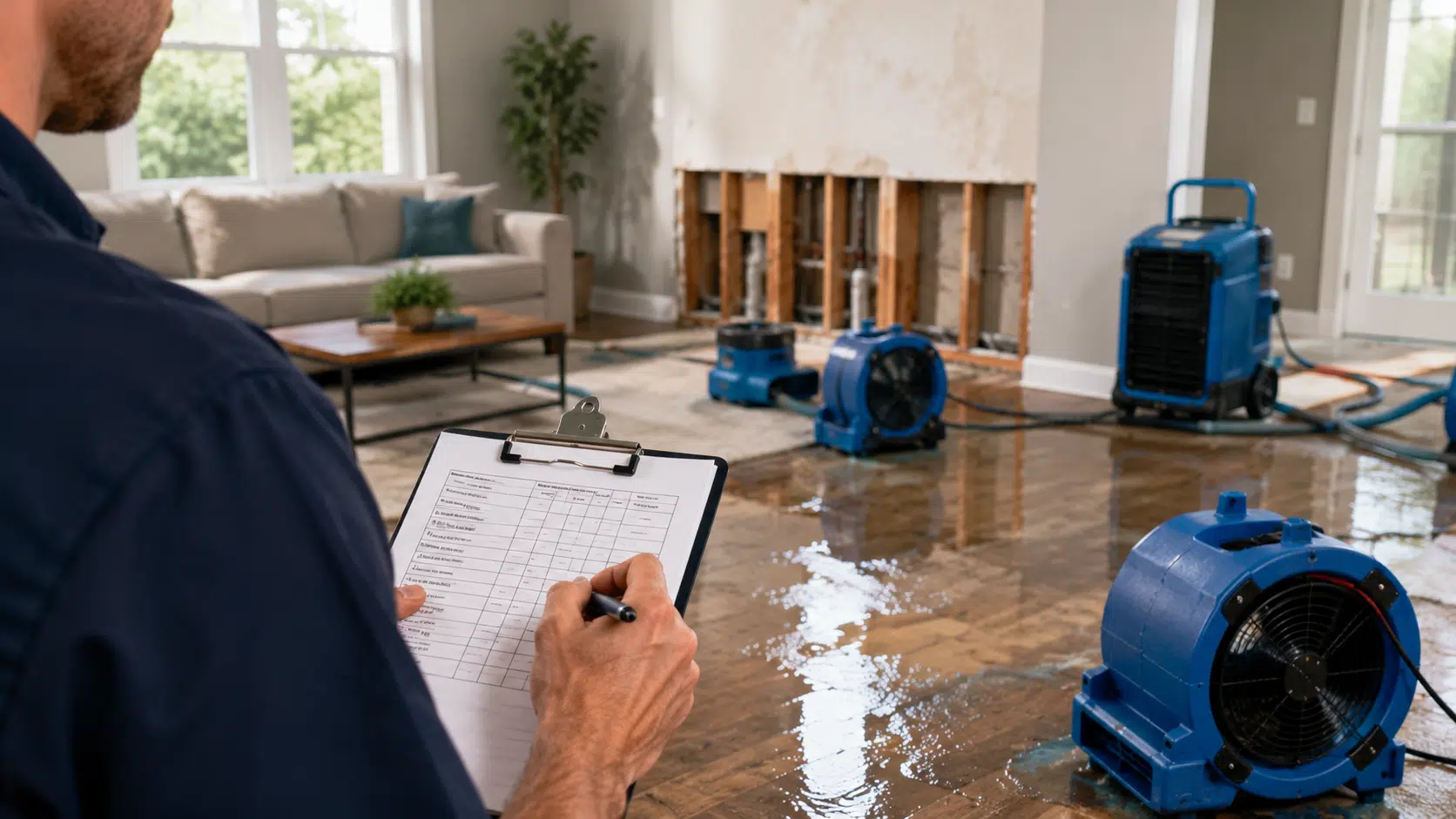
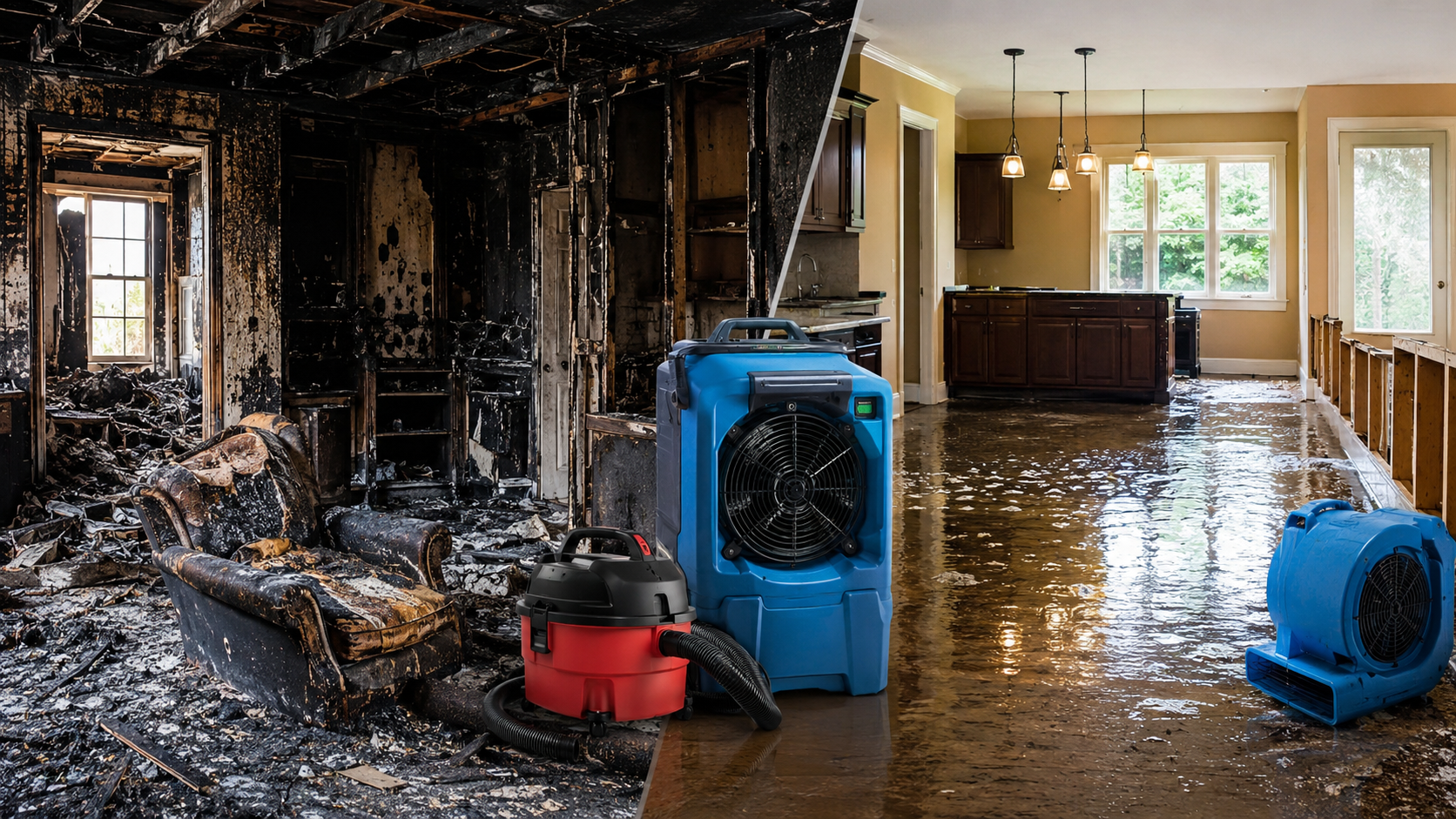
Water damage may come unexpectedly. Pipes can burst. Appliances can overflow. It can rain heavily.…
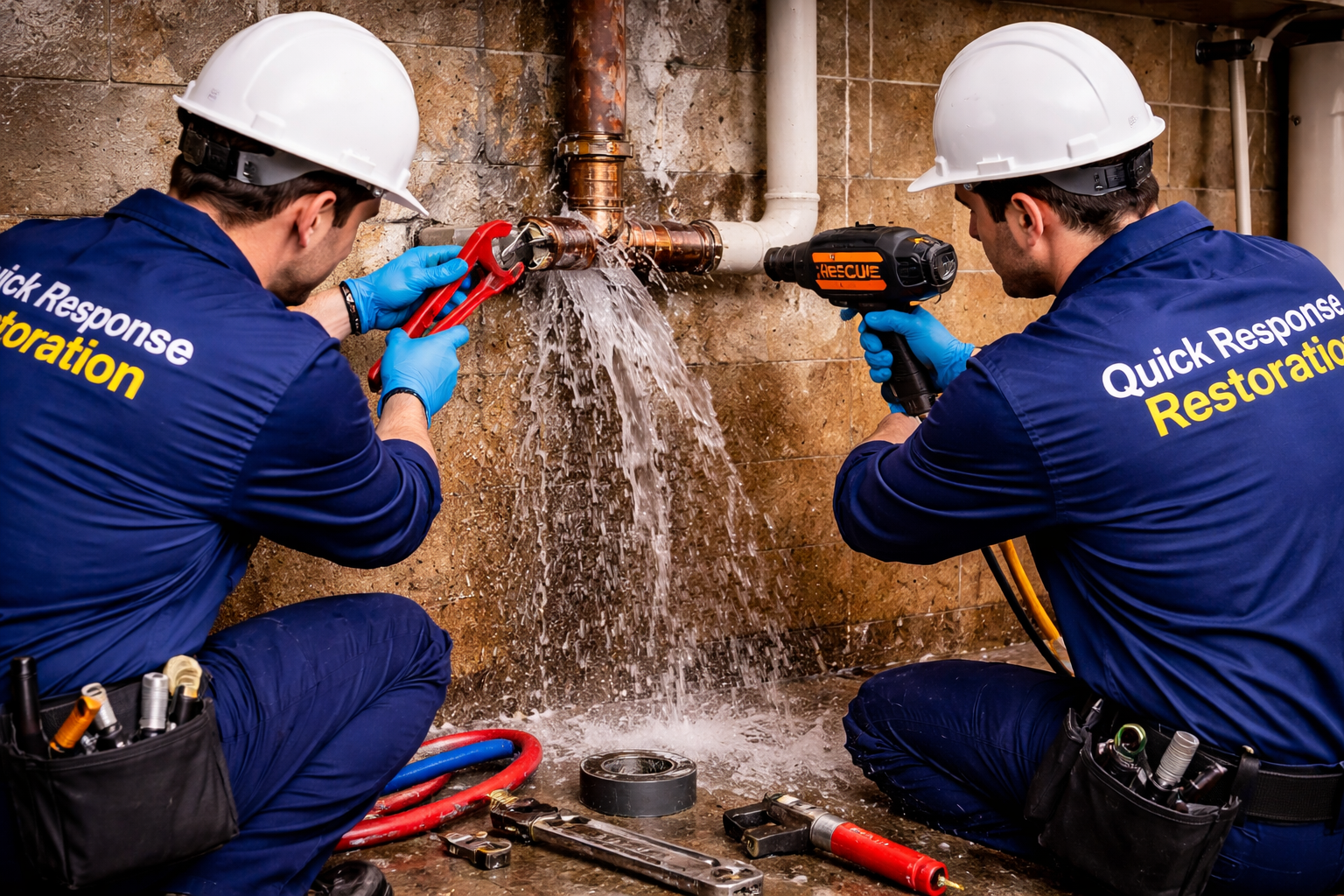
10 Common Causes of Burst Pipes and How to Fix Them
It seems like a burst pipe issue will always happen at the worst possible time. No one looks forward to dealing with burst pipes in the middle of the night, extreme weather, or not being able to prep enough to deal with the issues. What seems like a small issue in your plumbing system could end as a serious issue and damage your walls, floors, and your entire property. Burst pipes will always need immediate repair.
Most home or business owners tend to want to run with the first option that they see. This is why we see a significant number of people searching for the first option they see and searching for burst pipe repair near me. We understand the urgency, but that is not the most important factor. People need to understand the issue more. The first step to understanding the issue more is understanding the cause of the problem. Most pipe failures are not random but are a result of pressure, time, environmental changes, wear on the materials, or signs that are not on display.
At Quick Response Restoration, we’ve worked with countless clients who initially overlooked minor plumbing issues, only to face major water damage later. In many of these cases, early detection and simple preventive steps could have avoided the emergency altogether. Whether you’re dealing with aging pipes, fluctuating temperatures, or hidden leaks, having the right knowledge can make all the difference. Let’s explore the most common reasons pipes burst—and what you can do to prevent it from happening in your home or business.
The Importance of Actively Responding to Pipe Burst
The issue of a burst pipe goes much deeper than simply losing water to an open pipe. It involves a number of other factors, including pressure, the construction of your building, and the location of the burst. It doesn’t take a long time for significant water damage to occur. Some of the other issues that can arise include:
- Flooring that is warped or dry wall that is in a weakened condition
- An increased risk of fire if the water were to cause an electrical short.
- If the area has been closed off for a while and water is present, mold will start to form.
- There will be a significant increase in the damage that will need to be repaired, in addition to the plumbing repairs that will need to be done.
The key is to identify the signs of a pipe burst in advance and be proactive in addressing the issue.
10 Common Causes of Burst Pipes (With Detailed Insights & Fixes)
1. Freezing and Expansion Inside Pipes
What really happens:
When temperatures drop, water inside pipes begins to freeze. As it turns into ice, it expands– putting intense internal pressure on the pipe walls. Interestingly, pipes don’t always burst at the frozen section; they often rupture at weaker points nearby due to pressure buildup.
Early warning signs:
- Unusually low water flow
- Frost forming on visible pipes
- Pipes are making slight cracking or creaking sounds
How to fix & prevent:
- Wrap the pipes with insulation sleeves
- Leave cabinet doors open to allow for the circulation of warm air
- Allow water to drip from the faucet during extreme cold weather
2. Excessive Water Pressure Over Time
What really happens:
Pipes are designed to perform well under a certain range of water pressures. If water pressure is consistently above a certain limit, it causes undue stress on the pipes, leading to a weakened structure, which eventually leads to a breakdown.
Early warning signs:
- Loud banging noises when turning taps off
- Sudden leaks at joints or connectors
- Appliances like washing machines are wearing out faster
How to fix & prevent:
- Install a pressure-reducing valve
- Test pressure levels periodically
- Address “water hammer” issues promptly
3. Internal Corrosion and Material Breakdown
What really happens:
Metal pipes, especially older galvanized ones, gradually corrode from the inside out. This corrosion creates weak spots, thinning the pipe walls until they can no longer withstand pressure.
Early warning signs:
- Brown or rusty water
- Metallic smell or taste
- Frequent pinhole leaks
How to fix & prevent:
- Replace outdated piping systems
- Switch to corrosion-resistant materials like PEX
- Schedule periodic plumbing assessments
4. Persistent Clogs Creating Pressure Build-Up
What really happens:
A blockage doesn’t just stop water flow—it traps pressure behind it. Over time, this pressure can become strong enough to crack or burst pipes, especially in older plumbing systems.
Early warning signs:
- Water draining slowly
- Gurgling sounds in pipes
- Repeated clogs in the same area
How to fix & prevent:
- Avoid disposing of grease, hair, or debris down drains
- Use strainers in sinks and showers
- Perform regular drain cleaning
5. Tree Root Intrusion in Underground Pipes
What really happens:
Tree roots naturally grow toward water sources. Even a tiny crack in an underground pipe can attract roots, which then expand inside the pipe, causing blockages and structural damage.
Early warning signs:
- Sudden drop in water pressure
- Wet patches or unusually green areas in your yard
- Frequent backups despite cleaning
How to fix & prevent:
- Use root barriers during landscaping
- Schedule camera inspections for underground lines
- Remove or relocate trees near pipelines if necessary
6. Poor Workmanship or Substandard Installation
What really happens:
If pipes are installed incorrectly—whether due to loose fittings, improper alignment, or cheap materials—they may fail much earlier than expected.
Early warning signs:
- Leaks appear shortly after installation
- Uneven or inconsistent water pressure
- Visible misalignment in exposed pipes
How to fix & prevent:
- Always hire qualified professionals
- Use certified plumbing materials
- Conduct inspections after installation work
7. Natural Aging of Plumbing Systems
What really happens:
Every plumbing system has a lifespan. Over time, pipes become brittle, joints weaken, and materials lose their durability—making them more susceptible to bursting under normal pressure.
Early warning signs:
- Recurring minor leaks
- Noticeable wear or discoloration
- Decline in water quality
How to fix & prevent:
- Upgrade aging systems proactively
- Replace sections showing early damage
- Keep a maintenance schedule
8. Ground Shifts and Soil Movement
What really happens:
Soil expands and contracts with moisture and temperature changes. This movement can place stress on buried pipes, causing them to bend, crack, or disconnect.
Early warning signs:
- Sudden unexplained leaks
- Cracks in walls or flooring
- Changes in water pressure without a clear cause
How to fix & prevent:
- Install flexible piping materials
- Monitor structural changes in your property
- Seek professional evaluation after major shifts
9. Accidental Physical Damage
What really happens:
Construction work, drilling, or even hanging fixtures can accidentally puncture pipes hidden behind walls or underground.
Early warning signs:
- Immediate water leakage during or after work
- Damp patches forming on walls
- Sudden drop in water pressure
How to fix & prevent:
- Map out pipe locations before drilling
- Use detection tools
- Leave complex work to professionals
10. Repeated Temperature Fluctuations
What really happens:
Pipes expand when heated and contract when cooled. Repeated cycles weaken joints and materials over time, especially in poorly insulated spaces.
Early warning signs:
- Intermittent leaks
- Cracking noises inside the walls
- Inconsistent water flow
How to fix & prevent:
- Maintain steady indoor temperatures
- Insulate vulnerable areas
- Seal drafts in basements and crawl spaces
When to Call a Professional for Burst Pipe Repair Near Me
There are plumbing issues that can wait, but the possibility of a pipe burst isn’t the only one. If you observe an immediate water leak, significant loss of pressure, or obvious damage, it’s important to get it fixed immediately.
Looking for a burst pipe repair near me? You should connect with experts who will respond quickly and deal with the plumbing issue as well as the damage that results. This is the place where Quick Response Restoration plays a crucial role. Their team does not just fix the immediate issue, but also makes sure that your property is restored properly and is protected from future issues.
Practical Tips to Prevent Future Pipe Bursts
Preventative care can save you from unexpected emergencies. Consider these steps:
- Insulate pipes in exposed or unheated areas
- Regularly check for leaks or corrosion
- Keep water pressure within recommended limits
- Avoid harsh chemical cleaners
- Schedule annual plumbing inspections
- Know how to shut off your main water supply
Conclusion
Burst pipes, in most instances, are a gradual build-up of wear and tear, environmental elements, or maintenance issues that have been neglected over time. Understanding this, however, makes you better equipped to handle any issues that might arise, both in prevention and in response to a sudden occurrence.
In case you are facing a sudden occurrence of a burst pipe, you don’t have to wait any longer, and Quick Response Restoration is always ready to offer you quick and reliable repair services for a burst pipe at your most urgent hour of need. And if you are looking for a burst pipe repair near me, you should consider working with professionals in this field to make a difference in your life.

Robert Serafini serves as Quick Response Restoration’s cornerstone of Experience, Expertise, Authority, and Trust (EEAT). A dedicated member of the Quick Response team since 1998, Robert brings decades of hands-on restoration and insurance industry knowledge to every project. Prior to joining QR, he worked as an independent insurance adjuster, giving him a deep understanding of claims processes, policy interpretation, and customer advocacy.
Robert holds multiple IICRC certifications for fire, water, mold and has successfully managed numerous multi-million-dollar restoration projects, including large-loss and complex commercial assignments. His portfolio also extends internationally, where he has contributed to remediation efforts abroad.
Deeply rooted in the Capital District community, Robert is known for his generosity and civic involvement. He actively hosts and supports charity events benefiting local hospitals, schools, first responders, veterans, Catholic organizations, pet adoption, and local Chambers of Commerce. He is also an engaged member of several professional associations: Saratoga County Chamber, Adirondack Regional Chamber, NYS SFA Chapter, GCAR, ENYSHE and BOMA continuing to elevate industry standards and strengthen community ties.
Related Posts