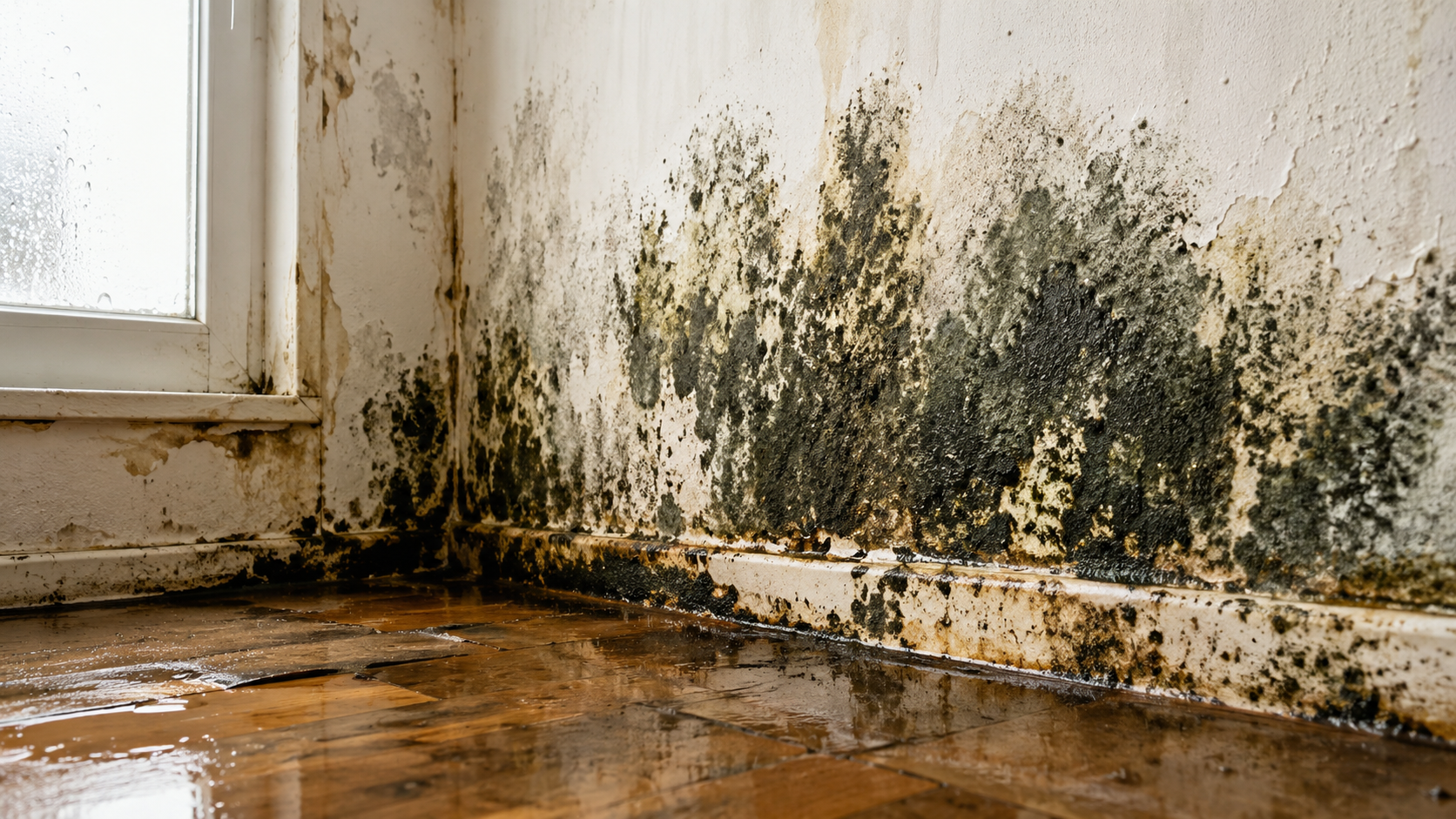
Water damage can happen in several ways. A broken or burst pipe, roof leaks, appliance…
Types of Mold in Homes: How to Identify Dangerous Mold Before It Spreads
Mold can appear in homes without much warning, especially in areas affected by moisture, humidity, leaks, or poor ventilation. Understanding the different kinds of mold can help homeowners recognize potential problems early and take appropriate action before mold spreads. While some mold growth may appear as small spots or patches, larger infestations can affect indoor air quality and damage building materials.
At Quick Response Restoration, we understand how concerning unexpected mold growth can be. Learning about common household mold, where it develops, and when professional remediation may be necessary can help homeowners respond quickly and protect their property.
Why Understanding Different Kinds of Mold Matters
Not all mold looks the same. Mold can appear in different colors, textures, and patterns depending on the species, surface, moisture conditions, and stage of growth. Some varieties appear black or dark green, while others may look white, gray, yellow, or even orange.
Understanding the different kinds of mold can provide useful clues when you notice suspicious growth. However, appearance alone cannot reliably determine the exact type of mold present. Professional testing may be necessary when identifying a specific species is important.
Regardless of appearance, visible mold generally indicates a moisture problem that should be addressed. If growth is extensive, recurring, or connected to water damage, professional mold remediation may be necessary to address the affected area and underlying moisture conditions.
Common Types of Mold Found in Homes
Several types of mold can develop in residential environments. Some are commonly associated with damp bathrooms, basements, kitchens, and areas affected by water damage.
1. Aspergillus
Aspergillus is a common group of molds that can grow indoors on materials such as walls, ceilings, insulation, and other surfaces. It can appear in several colors, including green, yellow, white, and gray.
Because Aspergillus includes many different species, its appearance can vary significantly. It may develop where moisture has accumulated or where organic materials provide a suitable food source.
2. Cladosporium
Cladosporium is another mold commonly found indoors and outdoors. It can grow on a variety of materials and may appear olive green, brown, gray, or black.
This mold is often associated with damp areas and can develop around windows, bathrooms, HVAC systems, and other locations where condensation occurs. Its ability to grow in both cooler and warmer environments makes it one of the more adaptable household molds.
3. Penicillium
Penicillium often develops in areas affected by persistent moisture or water damage. It can have a blue, green, or gray appearance and may spread across porous materials such as wallpaper, insulation, carpeting, and fabrics.
Because porous materials can absorb moisture, mold may sometimes grow beneath the visible surface. This makes addressing the underlying moisture source especially important.
4. Alternaria
Alternaria is commonly associated with damp environments and can develop on surfaces exposed to moisture. It may have a dark appearance with a velvety or slightly fuzzy texture.
Bathrooms, kitchens, basements, and areas affected by leaks can provide favorable conditions for this type of mold. Finding Alternaria growth may indicate that moisture levels in the area need attention.
5. Stachybotrys
Stachybotrys is often referred to as black mold because some varieties can have a very dark appearance. It is associated with consistently wet materials containing cellulose, including drywall, wood, paper products, and other building materials.
The term “black mold” is often used broadly, but not every black-colored mold is Stachybotrys. Visual identification alone cannot confirm the species.
What Does Mold Look Like?
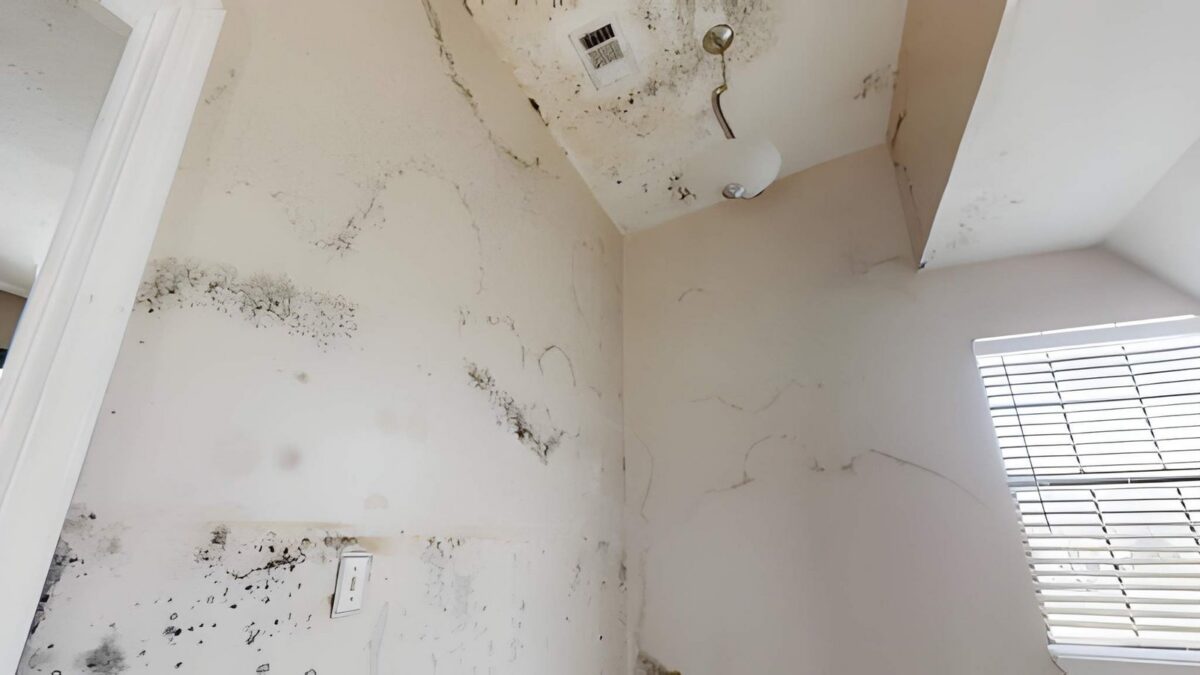
When homeowners ask, “Is this mold?”, several characteristics may provide clues. Mold can appear as spots, patches, discoloration, or fuzzy growth. It may have a musty odor, particularly when growing in enclosed or poorly ventilated spaces.
However, not every dark spot or stain is mold. Dirt, soot, mineral deposits, and water staining can sometimes look similar. If the source cannot be identified confidently, professional assessment can help determine whether remediation is necessary.
Understanding the different kinds of mold is useful, but attempting to identify a specific species based only on color can be misleading.
Where Does Household Mold Grow?
Mold requires moisture and an appropriate surface to grow. Common problem areas include bathrooms, kitchens, basements, crawl spaces, attics, laundry rooms, and locations near plumbing fixtures.
Water leaks behind walls or beneath flooring can create hidden moisture conditions. Condensation around windows and HVAC systems can also contribute to mold growth over time.
After flooding or significant water damage, mold can develop rapidly if affected materials are not properly dried and treated. Addressing water intrusion promptly can therefore reduce the chance of a larger mold problem.
When Should You Be Concerned About Mold?
Small areas of surface mold may sometimes be manageable, but larger or recurring growth can indicate a more serious moisture issue. Homeowners should pay particular attention when mold covers a substantial area, returns after cleaning, develops following water damage, or appears inside walls, ceilings, insulation, or other difficult-to-access areas.
Persistent musty odors without visible mold can also warrant investigation because growth may be occurring in hidden locations.
The presence of extensive mold should not simply be covered with paint or another surface treatment. The moisture source needs to be identified and corrected to prevent continued growth.
Why Professional Mold Remediation May Be Necessary
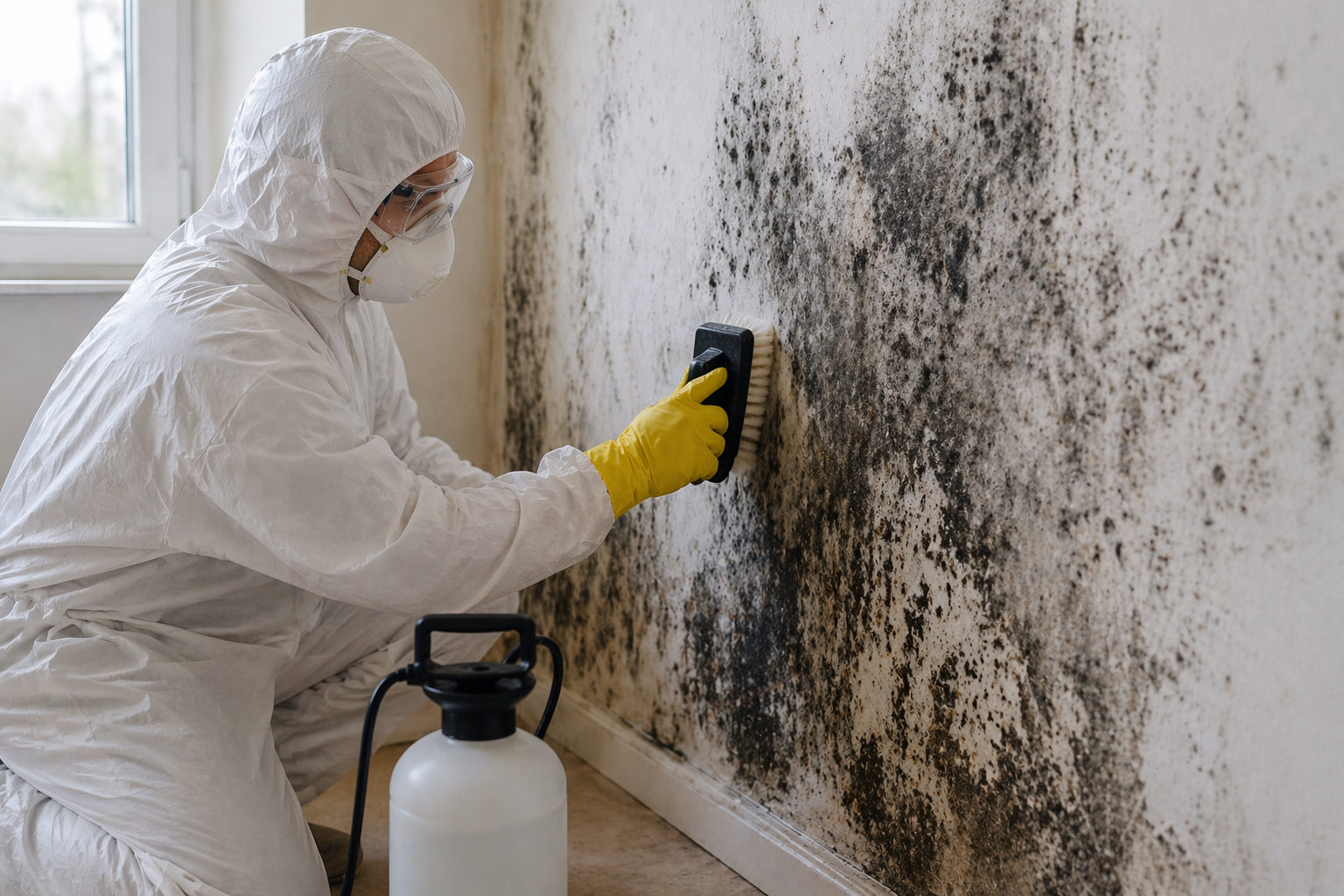
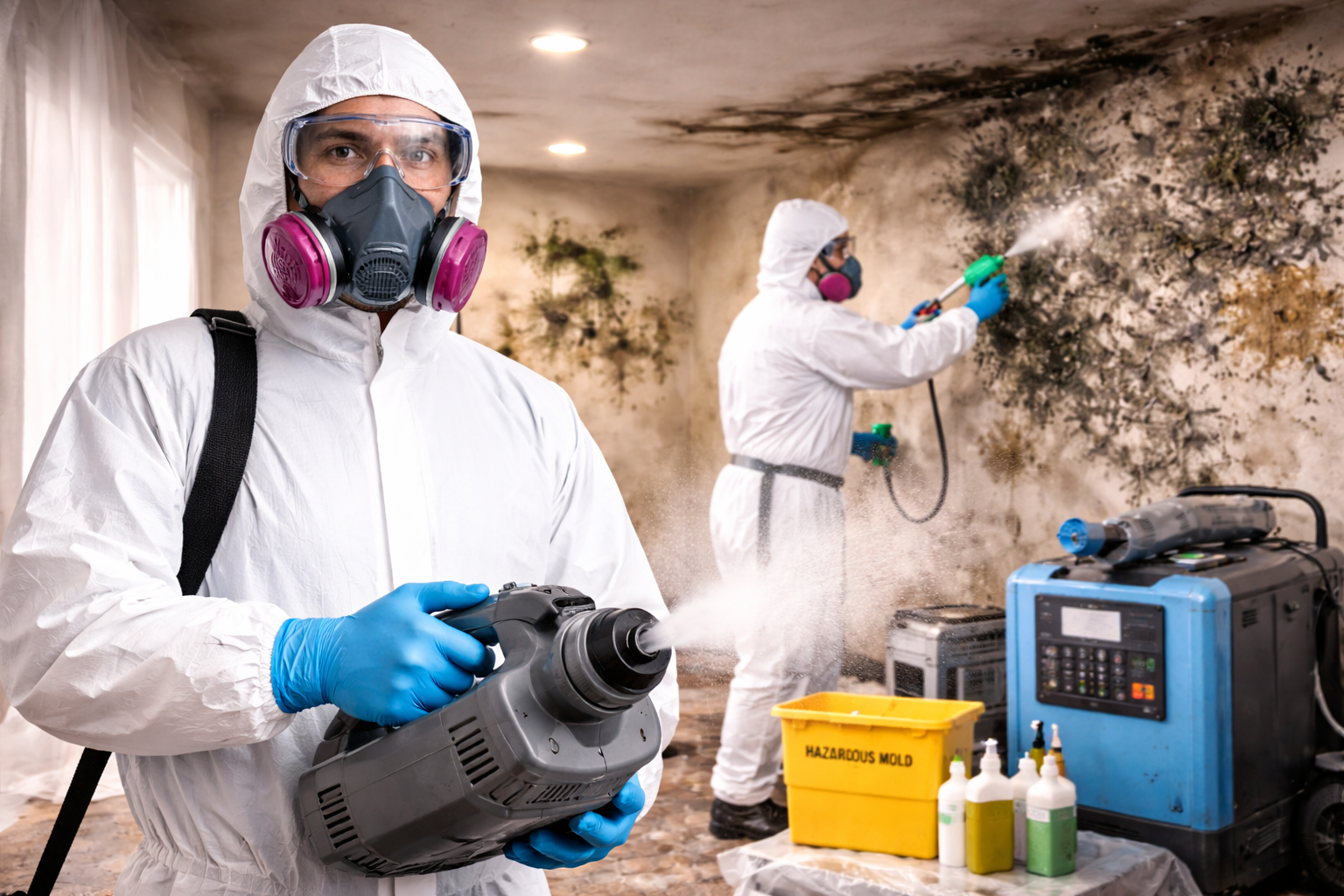
Professional mold remediation focuses on more than simply removing visible growth. The process typically involves identifying the source of moisture, assessing affected areas, containing the problem when appropriate, removing contaminated materials when necessary, and cleaning the affected environment.
Professionals can also help determine whether mold has spread beyond the area that is immediately visible. This is particularly important after flooding, plumbing failures, or significant water intrusion.
At Quick Response Restoration, our approach focuses on addressing the underlying problem so homeowners can move forward with greater confidence. If you are dealing with persistent or extensive mold growth, professional assessment can help determine the appropriate next steps.
Preventing Mold Growth in Your Home
Controlling moisture is one of the most effective ways to reduce the likelihood of mold growth. Promptly repairing plumbing leaks, improving ventilation, managing indoor humidity, and drying wet materials quickly can make a significant difference.
Bathrooms should have adequate ventilation, while basements and other moisture-prone areas should be monitored for signs of condensation or water intrusion. Regularly checking around windows, plumbing fixtures, roofs, and HVAC systems can also help identify problems before they become more extensive.
Taking action early is particularly important after water damage. Quickly drying affected materials and investigating hidden moisture can help limit conditions that allow mold to spread.
Conclusion
Learning about the different kinds of mold can help homeowners recognize potential problems and understand why moisture control is so important. Aspergillus, Cladosporium, Penicillium, Alternaria, and Stachybotrys are among the molds that may be encountered in residential environments, but identifying a specific type based only on appearance is not always reliable.
If mold keeps returning, covers a large area, or appears after significant water damage, professional assessment and remediation may be the safest approach. Quick Response Restoration can help homeowners address mold and the moisture problems that allow it to grow.
If you need professional help assessing or addressing mold growth in your property, contact Quick Response Restoration to discuss your situation and determine the appropriate restoration solution.
FAQs
1. What are the most common types of mold found in homes?
Common household molds include Aspergillus, Cladosporium, Penicillium, Alternaria, and Stachybotrys. They can grow in damp areas such as bathrooms, basements, kitchens, and spaces affected by water damage.
2. How can I tell if something in my home is mold?
Mold may appear as spots, patches, or fuzzy growth in colors such as black, green, gray, white, or yellow. A musty odor can also indicate hidden growth. However, appearance alone cannot reliably identify a specific species.
3. Are all types of mold dangerous?
Different types of mold can affect indoor environments in different ways. Any significant or recurring growth should be taken seriously because it may indicate an ongoing moisture problem that needs to be addressed.
4. Where does household mold usually grow?
Mold commonly develops in damp or poorly ventilated areas, including bathrooms, basements, crawl spaces, kitchens, attics, and laundry rooms. It can also grow near plumbing leaks, condensation, and areas affected by flooding.
5. When should I hire a professional for mold remediation?
Professional help may be appropriate when mold covers a large area, keeps returning after cleaning, develops following major water damage, or appears inside walls, ceilings, or insulation. A professional can assess the extent of the problem and address the underlying moisture source.

Related Posts