When homeowners discover mold in their property, one of the first questions is usually about…

How Professional Flood Clean-Up Services Prevent Mold, Odor, and Structural Damage
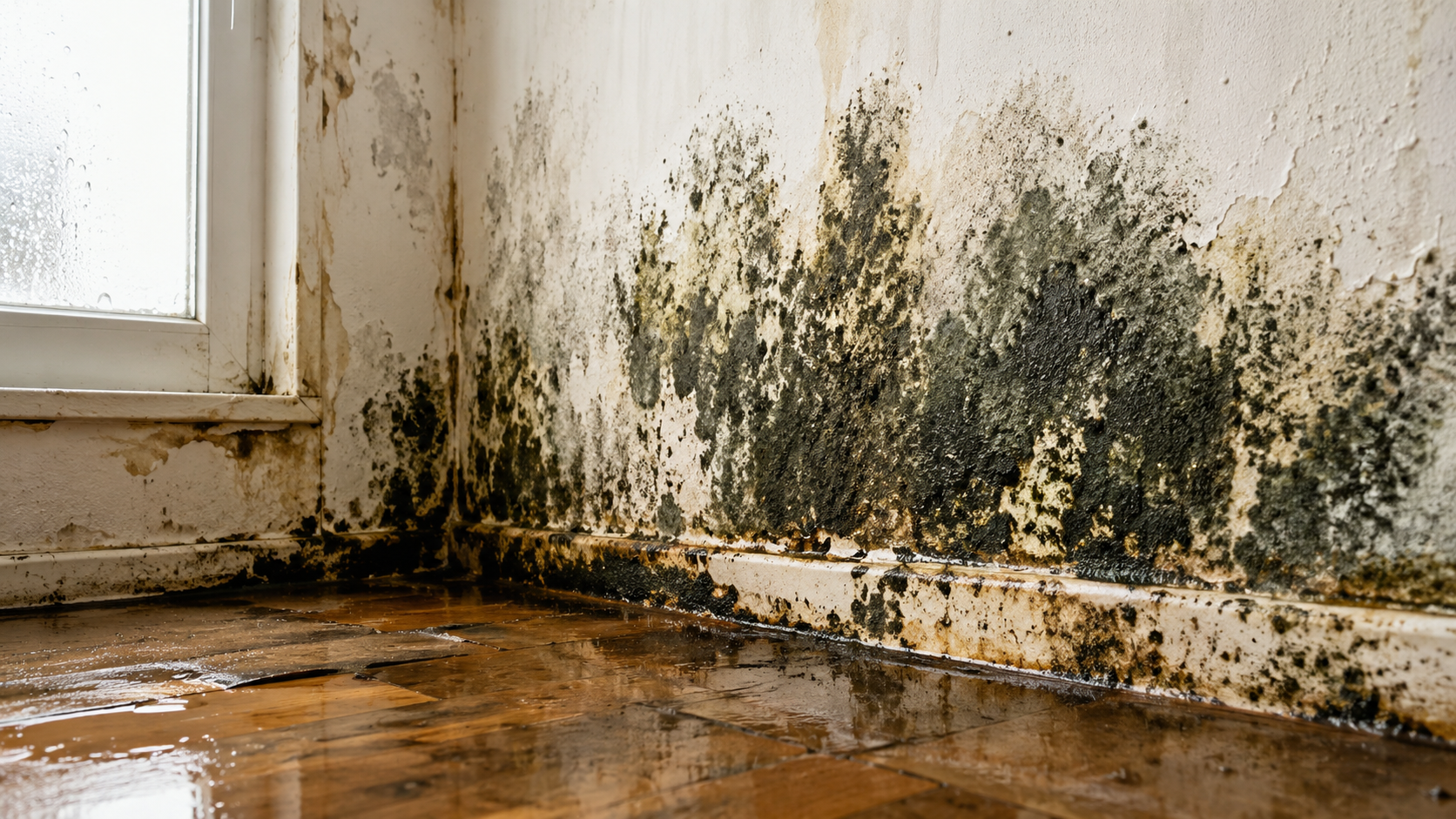
Flooding can turn a safe, comfortable home into a hazardous environment in a matter of minutes. Beyond the immediate trauma of water intrusion, lingering dampness poses serious risks—mold growth, foul odors, and structural deterioration can create long-term problems if not handled properly.
Hiring a certified restoration company like Quick Response Restoration ensures a thorough, science-based approach to flood clean-up. Professionals not only remove water but also implement advanced drying, sanitization, and repair strategies that protect your home and health.
Here’s a detailed look at the flood clean-up process and why professional intervention offers lasting peace of mind.
Step 1: Safety Assessment and Damage Documentation
Before any cleanup begins, safety is paramount. Technicians inspect affected areas for electrical hazards, structural damage, and contamination risks. They document damage thoroughly with photos and moisture readings to guide insurance claims and restoration planning.
Quick Response Restoration teams ensure every corner—from floors to ceilings—is evaluated, preventing surprises during reconstruction. This inspection stage sets the foundation for effective restoration.
Step 2: Rapid Water Removal and Extraction
Standing water from flooding must be removed immediately. Excess moisture seeps into subflooring, drywall, and insulation, accelerating damage and mold growth.
Using industrial-grade pumps, wet/dry vacuums, and moisture meters, Quick Response Restoration extracts water quickly and completely. Unlike DIY methods, professional extraction reaches hidden pockets behind walls and under floors—not just visible puddles.
Quick, thorough water removal is key to preventing long-term damage.
Step 3: Thorough Drying and Dehumidification
Even after visible water is gone, excessive moisture remains in building materials and the air. Prolonged dampness can warp wood, weaken drywall, and create mold-friendly environments.
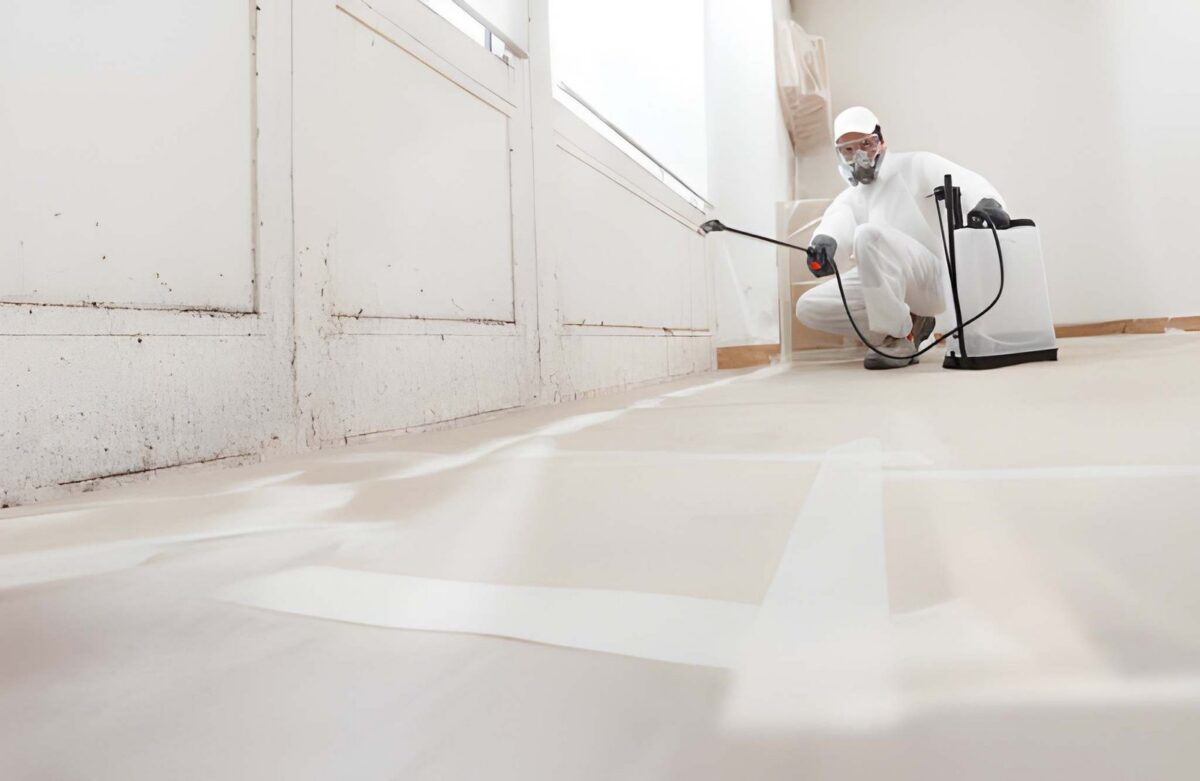
Advanced drying equipment—including commercial air movers, dehumidifiers, and thermal imaging cameras—are deployed by Quick Response Restoration to eliminate hidden moisture accurately and efficiently. Frequent moisture monitoring ensures materials dry evenly without over-drying or leaving damp spots.
Proper drying protects structural integrity and prevents costly mold remediation in the future.
Step 4: Comprehensive Cleaning, Sanitizing, and Deodorizing
Floodwaters often bring contaminants—bacteria, dirt, chemicals, and sewage—that ordinary household cleaning cannot handle. After drying, all affected surfaces, contents, and HVAC systems undergo:
- Deep cleaning to remove grime and biohazards
- Medical-grade sanitization to kill germs and prevent infections
- Antimicrobial treatments to inhibit mold growth
- Professional deodorization techniques such as thermal fogging and ozone treatments to eliminate odors at the molecular level
Quick Response Restoration’s expertise ensures your home’s environment is safe, fresh, and free of harmful residues.
Step 5: Repair, Restoration, and Mold Prevention
Once the home is dry and sanitized, Quick Response Restoration begins repairing or replacing damaged materials—drywall, flooring, insulation, cabinetry—to restore your home’s original appearance and safety.
In addition, preventive measures such as moisture barriers, improved ventilation, and sump pump maintenance recommendations help reduce the risk of future flooding and mold development.
With certified technicians handling every detail, your property recovers faster with superior results compared to incomplete DIY fixes.
Long-Term Benefits of Professional Flood Clean-Up
Choosing certified flood restoration companies like Quick Response Restoration provides numerous advantages:
- Minimized Mold Risks: Early, thorough drying and antimicrobial treatment significantly reduce mold outbreaks.
- Improved Indoor Air Quality: Advanced cleaning and deodorization remove allergens, odors, and contaminants.
- Preserved Structural Integrity: Fast water extraction and expert repairs prevent wood rot, paint peeling, and foundation damage.
- Insurance Compliance: Proper damage documentation and restoration ensure smoother claims.
- Health and Safety: Professionals use protective gear and EPA-approved disinfectants to safeguard your family and property.
Why DIY Flood Cleanup Falls Short
Without professional equipment and knowledge, flood cleanup is incomplete. Home methods often miss hidden moisture, leave contaminants behind, or inadvertently damage materials. This leads to recurring problems—mold, odors, and structural issues—that create expensive, ongoing repairs.
How to Contact Quick Response Restoration for Flood Emergencies
Flooding requires fast and reliable help. Quick Response Restoration offers 24/7 emergency response, combining local expertise, advanced technology, and compassionate service.
Don’t delay the clean-up. Reach out today through the Contact Page to start your home’s safe and complete restoration journey.

Robert Serafini serves as Quick Response Restoration’s cornerstone of Experience, Expertise, Authority, and Trust (EEAT). A dedicated member of the Quick Response team since 1998, Robert brings decades of hands-on restoration and insurance industry knowledge to every project. Prior to joining QR, he worked as an independent insurance adjuster, giving him a deep understanding of claims processes, policy interpretation, and customer advocacy.
Robert holds multiple IICRC certifications for fire, water, mold and has successfully managed numerous multi-million-dollar restoration projects, including large-loss and complex commercial assignments. His portfolio also extends internationally, where he has contributed to remediation efforts abroad.
Deeply rooted in the Capital District community, Robert is known for his generosity and civic involvement. He actively hosts and supports charity events benefiting local hospitals, schools, first responders, veterans, Catholic organizations, pet adoption, and local Chambers of Commerce. He is also an engaged member of several professional associations: Saratoga County Chamber, Adirondack Regional Chamber, NYS SFA Chapter, GCAR, ENYSHE and BOMA continuing to elevate industry standards and strengthen community ties.
Related Posts