
When severe weather is approaching, one of the first questions many people ask is, is it safe to drive today? Strong winds, heavy rain, flooding, falling trees, and debris can quickly turn an ordinary trip into a dangerous situation. Even when roads appear clear, changing weather conditions can create hazards that are difficult to see until you are already on the road.
Knowing how to assess driving conditions before leaving home can help you make safer decisions. At Quick Response Restoration, we understand how quickly storms can affect homes, vehicles, roads, and communities. Taking a few minutes to evaluate the conditions can make a significant difference when severe weather is expected.
Is It Safe to Drive Today During a Storm?
Whether it is safe to drive today depends on the type and severity of weather in your area. Light rain and moderate wind may not prevent normal driving, while severe thunderstorms, high winds, flooding, hail, or tornado warnings can make traveling extremely dangerous.
Before getting behind the wheel, check current weather alerts, road conditions, and local emergency notifications. Weather can change rapidly, so conditions from an hour ago may no longer reflect what you will encounter during your trip.
If authorities recommend staying off the roads, it is generally best to postpone nonessential travel until conditions improve.
How High Winds Affect Driving
Strong winds can make driving difficult, particularly for vehicles with a higher profile. SUVs, vans, trucks, buses, and trailers can be more vulnerable to sudden gusts because their larger surface area catches more wind.
When asking is it safe to drive today, consider whether strong wind warnings are active in your area. Sudden gusts can push a vehicle sideways, especially when traveling on bridges, open highways, or exposed roads.
Wind can also blow branches, signs, construction materials, and other debris onto roadways. Even if you feel comfortable controlling your vehicle, objects falling or blowing into your path can create an unexpected hazard.
Heavy Rain and Reduced Visibility
Heavy rainfall can make driving dangerous by significantly reducing visibility. Water can also accumulate on roads, increasing the risk of losing traction.
If you are wondering is it safe to drive today during heavy rain, consider whether you can clearly see the road, surrounding vehicles, traffic signs, and lane markings. If visibility becomes severely limited, slowing down or pulling over somewhere safe may be the better choice.
Drivers should also avoid using cruise control during heavy rain. Maintaining direct control of the vehicle allows you to respond more quickly if road conditions suddenly change.
The Risk of Hydroplaning
Hydroplaning occurs when a vehicle’s tires lose contact with the road because of water buildup. This can cause the driver to lose steering control.
Standing water is especially dangerous because it can be difficult to judge its depth while approaching it. Driving quickly through pooled water can increase the likelihood of hydroplaning and may also cause damage to the vehicle.
When conditions are wet, reduce your speed and leave additional space between your vehicle and the one ahead of you. If possible, avoid areas where water has accumulated across the roadway.
Flooded Roads Can Become Extremely Dangerous
Flooding is one of the biggest reasons you should reconsider driving during severe weather. A road that looks passable may have deeper water than it appears.
Never assume that a flooded roadway is safe simply because another vehicle has passed through it. Moving water can affect vehicle stability, while standing water can conceal potholes, debris, damaged pavement, or other hazards.
If you encounter a flooded road, find another route whenever possible. When asking is it safe to drive today, current flood conditions should always be part of your decision.
Falling Trees and Storm Debris
Storms can weaken trees and cause branches to fall even after the worst weather appears to have passed. High winds may also move debris onto roads, driveways, and parking areas.
Drivers should be particularly cautious around wooded areas, construction zones, and locations with damaged structures. If you see downed power lines, stay away and do not attempt to drive over them. Damaged electrical infrastructure can present serious hazards even when no obvious sparks are visible.
When You Should Avoid Driving
There are situations where staying home is the safest option. Severe thunderstorms, tornado warnings, widespread flooding, extreme wind conditions, and major road closures can make travel unnecessarily dangerous.
If your trip is not essential, waiting until conditions improve can reduce your exposure to unnecessary risks. If you must travel because of an emergency, use extra caution, follow official instructions, and choose routes that avoid known hazards.
The answer to is it safe to drive today should always be based on current conditions rather than assumptions about how the weather normally behaves in your area.
What to Do After a Major Storm
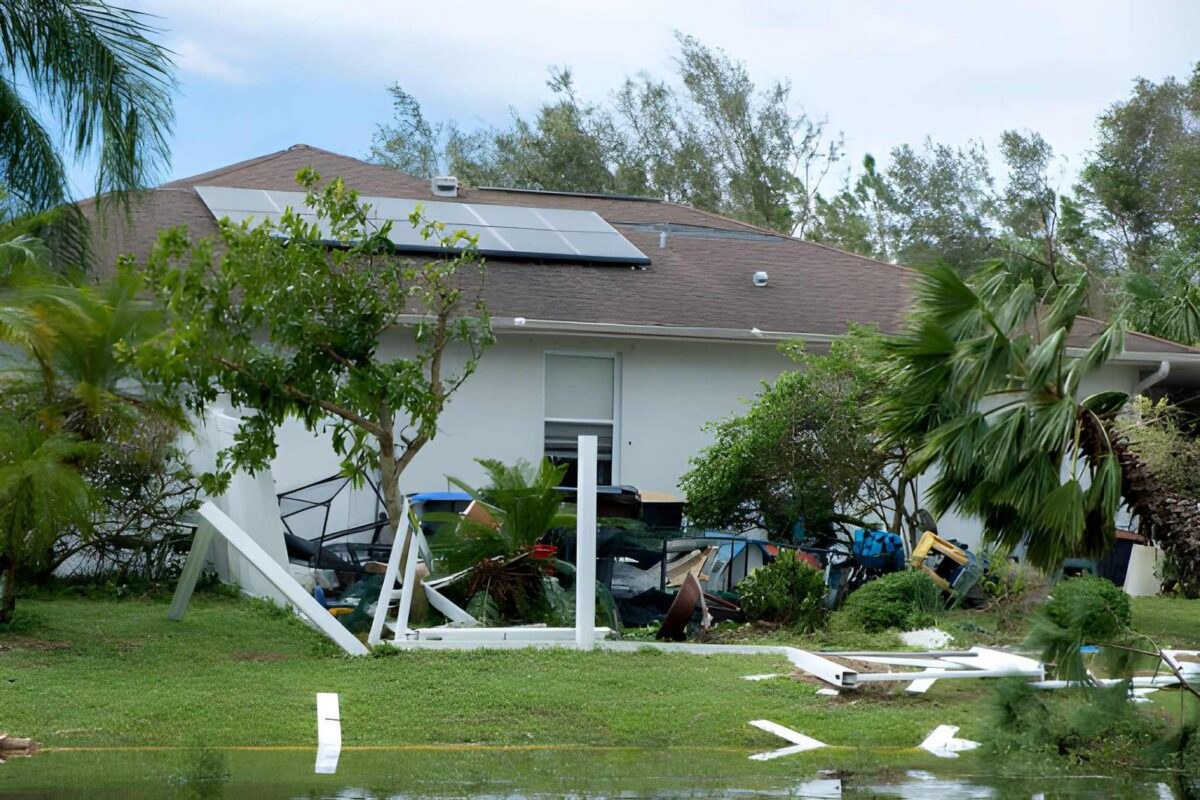
Even after severe weather ends, roads and properties may remain hazardous. Fallen trees, damaged roofs, broken windows, standing water, and scattered debris can create additional risks.
If your property has suffered storm damage, avoid entering areas that appear structurally compromised. Keep children and pets away from damaged areas, and stay clear of downed electrical lines.
Quick Response Restoration helps property owners respond when storms leave behind damage that requires professional attention. Addressing storm-related damage promptly can help prevent additional problems as weather conditions change. Understanding why timely storm damage restoration matters can help you know what to prioritize once it is safe to assess the property.
How to Make a Safer Driving Decision
When deciding is it safe to drive today, consider more than just whether rain or wind is currently visible outside. Check weather alerts, road closures, flooding reports, visibility, wind conditions, and the condition of your planned route.
It is also important to consider your vehicle. Make sure your tires have adequate tread, windshield wipers are functioning properly, headlights are working, and your brakes are in good condition. A well-maintained vehicle is better prepared for challenging road conditions.
Most importantly, do not let an important appointment or schedule pressure you into driving through dangerous weather. At Quick Response Restoration, we see how often rushed decisions during storms lead to accidents or property damage that could have been avoided.
Conclusion
So, is it safe to drive today? The answer depends on current weather and road conditions in your area. High winds, heavy rain, flooding, poor visibility, falling trees, and storm debris can all make driving significantly more dangerous.
Before leaving, check current weather alerts and road conditions, and be prepared to postpone unnecessary travel when severe weather threatens. If you do encounter storm damage around your property, prioritize personal safety and avoid hazardous areas.
With preparation and good judgment, you can reduce your risk during severe weather and make safer decisions for yourself, your passengers, and everyone else on the road. When storm damage affects your property, Quick Response Restoration is ready to help you address the aftermath and restore your property safely.
FAQs
1. What should I check before driving during a storm?
Check current weather alerts, road conditions, flooding reports, visibility, and wind speeds before leaving. If authorities recommend avoiding travel, postpone nonessential trips until conditions improve.
2. Can strong winds make driving dangerous?
Yes. Strong gusts can push vehicles sideways, especially larger vehicles such as SUVs, vans, trucks, and trailers. Falling branches, debris, and damaged road signs can also create unexpected hazards.
3. Is driving through a flooded road safe?
No. Floodwater can be deeper or faster-moving than it appears and may hide potholes, debris, or damaged pavement. It is safest to avoid flooded roads and find an alternate route.
4. What should I do if visibility becomes poor while driving?
Slow down, increase your following distance, turn on your headlights, and avoid sudden braking or lane changes. If visibility becomes extremely poor, pull over at a safe location away from traffic until conditions improve.
5. Should I drive after a severe storm has passed?
Not necessarily. Roads may still have fallen trees, power lines, standing water, debris, or structural hazards after the storm. Check local road conditions and warnings before deciding to travel.