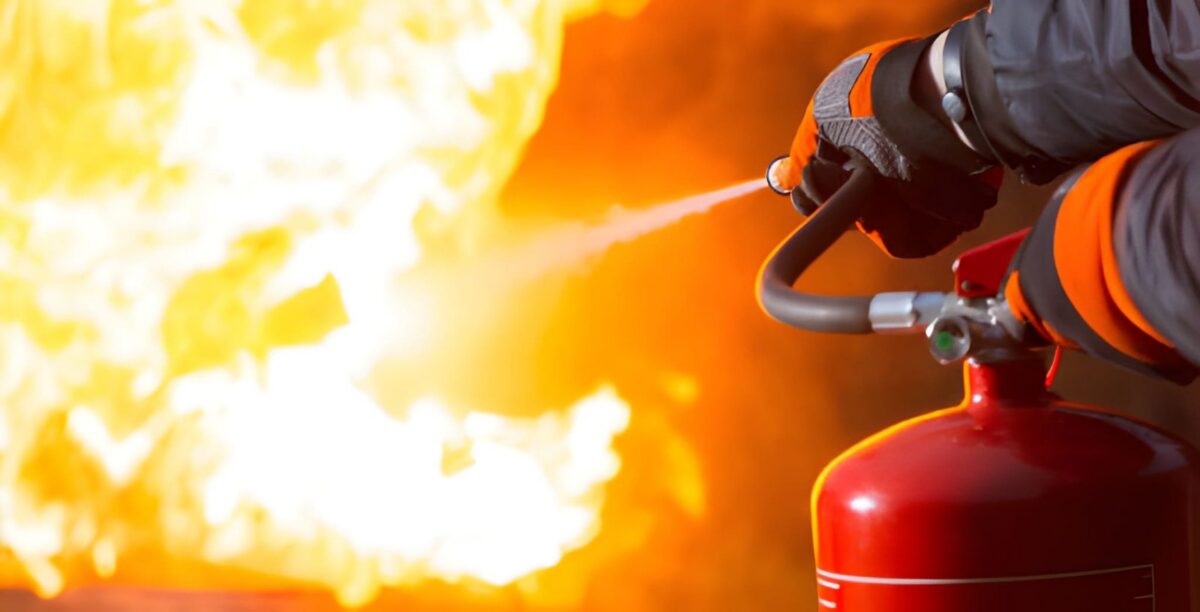
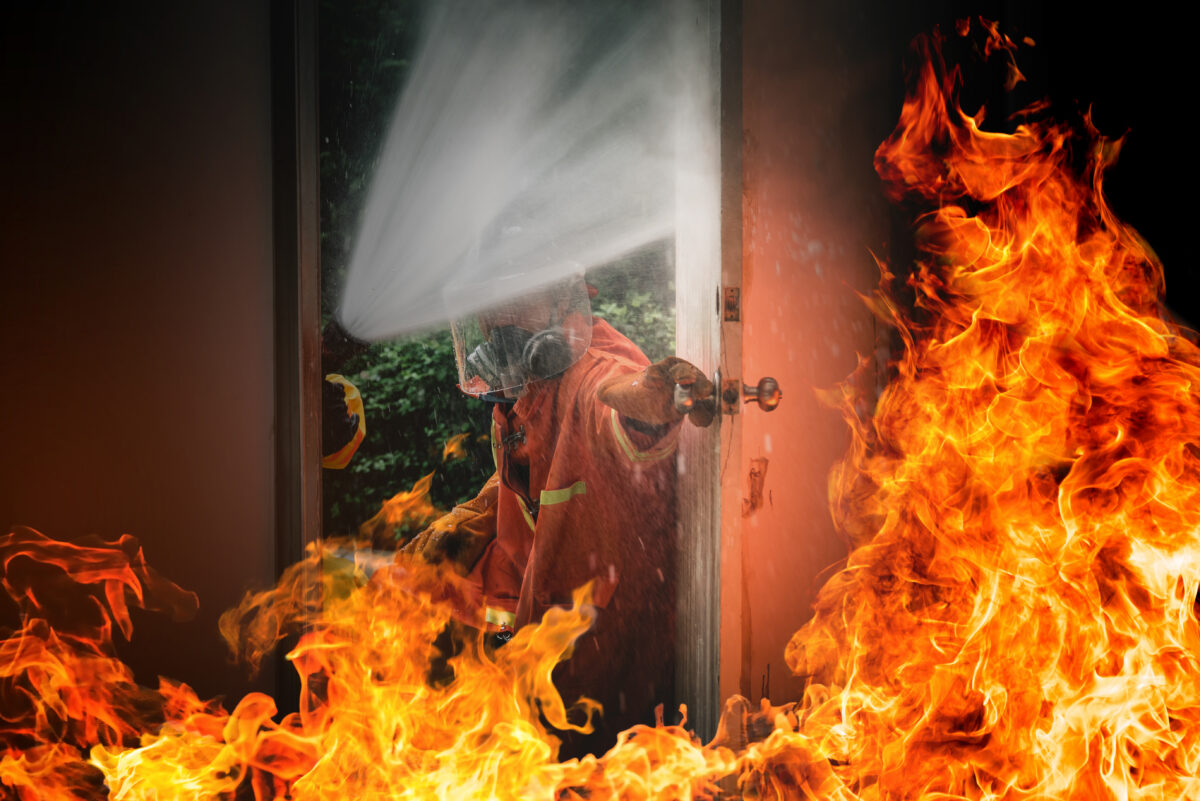
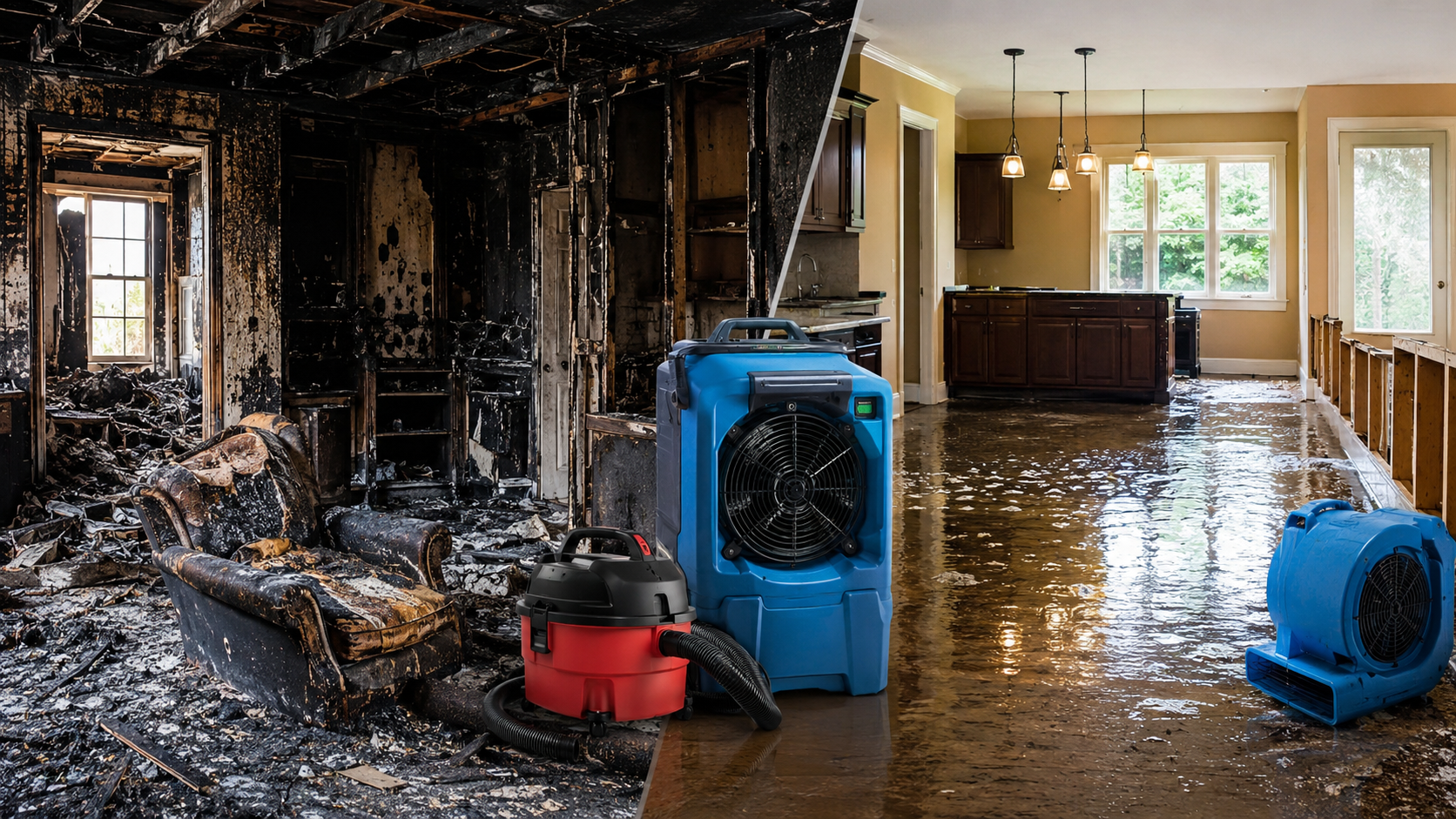
Understanding class types of fires is important because not every fire can be safely extinguished…

Why Smoke Damage Cleaning Is More Complex Than You Think: Professional Methods Explained
When a fire strikes, the destruction goes far beyond charred walls and scorched belongings. Smoke damage is often the silent, lingering threat that follows, invading your home’s materials and air quality in ways unseen. Unlike soot and ash, smoke particles are incredibly small—often less than 2.5 microns—and they penetrate deeply into porous building materials, fabrics, electronics, and even HVAC systems. This makes smoke damage cleaning a highly specialized process that goes well beyond ordinary household cleaning.
Quick Response Restoration understands how challenging smoke damage cleanup can be, and why professional intervention is essential. In this post, we explore the science behind smoke particle penetration, why DIY cleaning usually fails, and the expert methods used for thorough smoke damage restoration.
How Smoke Particles Penetrate Building Materials
Smoke is a complex mixture of gases, carbon particles (soot), and chemical compounds formed during incomplete combustion. Its microscopic nature allows it to:
- Enter tiny cracks and crevices in drywall, plaster, wood, and brick.
- Soak into upholstery, carpets, curtains, and linens, embedding residues deep inside fibers.
- Invade HVAC systems and ductwork, distributing particles throughout your home.
- Adhere to electronics, which can corrode internal components.
The effects aren’t merely surface-level. Over time, smoke particles chemically react with building materials, causing permanent discoloration, corrosion, and degradation of surfaces. Porous materials such as drywall and wood are particularly vulnerable, as they absorb both particles and toxic volatile organic compounds (VOCs), making odors difficult to eradicate with standard cleaning.
Why Standard Cleaning Often Fails
Many homeowners initially try to scrub soot or mask smoke odors using household cleaners, airing out the house, or placing odor absorbers around the home. These efforts can make things worse.
- Surface smearing: Using regular detergents or water may smear soot deeper into surfaces rather than removing it.
- Hidden contamination remains: Microscopic particles deeply embedded in materials and HVAC ducts continue to release odors long after visible residue is gone.
- Health hazards persist: Toxic components like dioxins and phthalates attached to soot particles pose health risks if not properly removed or contained by professionals.
- Improper treatment can worsen damage: Excessive moisture during cleaning encourages mold growth, compounding the problems created by smoke.
That’s why smoke damage cleaning requires specialized knowledge, equipment, and methods beyond consumer-grade solutions.
Professional Smoke Damage Cleaning Techniques
At Quick Response Restoration, certified technicians follow a comprehensive process designed to fully eradicate smoke damage from your home:
- Detailed Inspection and Testing:
Using moisture meters, air sampling, and thermal imaging, experts locate all affected areas—including hidden spaces behind walls and inside ducts. This establishes the full scope and severity of smoke infiltration. - HEPA Vacuuming and Dry Cleaning:
Initial soot and particulate removal is performed with high-efficiency particulate air (HEPA) vacuums and dry sponges that lift contaminants without smearing or spreading them. - Chemical Cleaning and Deodorization:
Different types of smoke residues (wet, dry, protein-based, synthetic) respond best to specific cleaning agents. Professionals use tailored chemicals to neutralize acids, oils, and residues.
Advanced deodorization methods, such as thermal fogging and ozone treatments, chemically neutralize odor molecules rather than masking them, effectively erasing persistent smoke smells. - HVAC System and Duct Cleaning:
Since HVAC systems spread smoke particles throughout a building, they must be meticulously cleaned. Technicians use specialized tools to remove soot and contaminants from ducts, coils, and vents. - Surface Sealing and Restoration:
Once cleaned, walls, ceilings, and woodwork may need sealing with primers to prevent smoke stains and odors from reappearing. This prepares surfaces for repainting and finishing. - Content Cleaning and Restoration:
Valuables such as clothing, upholstery, electronics, and furniture are assessed and cleaned using industry-grade equipment like ultrasonic cleaners, ozone chambers, and freeze-drying.
For detailed service info, visit Quick Response Restoration’s Fire Damage Restoration and Odor Removal pages.
The Health Impact of Smoke Residue
Smoke damage isn’t just cosmetic. Tiny particles that penetrate deeply into rthe espiratory airways can cause:
- Allergies, sinus irritation, and chronic coughing
- Aggravation of asthma and other respiratory illnesses
- Long-term exposure risks due to toxic compounds attached to soot particles
Professionals use industrial air scrubbers and HEPA filtration to remove airborne particulates during and after cleaning, securing safe indoor air quality.
Why Choose Professional Smoke Damage Cleaning?
Attempting to clean smoke damage yourself can delay restoration and cause further harm.
Quick Response Restoration brings:
- Certified technicians trained to handle hazardous residues safely
- Advanced technology is unavailable to homeowners
- Comprehensive cleaning that includes structure, contents, and air systems
- Coordination with insurance providers for smooth claim handling
- Safe protocols protecting health and home integrity
Our expert approach restores not just the visible damage but also the indoor environment, giving homeowners peace of mind.
In Conclusion: The Science and Importance of Professional Smoke Damage Cleaning
Smoke damage cleaning is an intricate process requiring technical expertise, specialized equipment, and a thorough understanding of how smoke interacts with building materials. Without professional intervention, smoke residues can continue damaging surfaces, harming indoor air quality, and detrimentally impacting health long after the fire is out.
If your home has suffered smoke damage, don’t rely on DIY fixes. Contact Quick Response Restoration today for a comprehensive, certified smoke damage cleaning that restores your home’s safety and comfort.
Robert Serafini serves as Quick Response Restoration’s cornerstone of Experience, Expertise, Authority, and Trust (EEAT). A dedicated member of the Quick Response team since 1998, Robert brings decades of hands-on restoration and insurance industry knowledge to every project. Prior to joining QR, he worked as an independent insurance adjuster, giving him a deep understanding of claims processes, policy interpretation, and customer advocacy.
Robert holds multiple IICRC certifications for fire, water, mold and has successfully managed numerous multi-million-dollar restoration projects, including large-loss and complex commercial assignments. His portfolio also extends internationally, where he has contributed to remediation efforts abroad.
Deeply rooted in the Capital District community, Robert is known for his generosity and civic involvement. He actively hosts and supports charity events benefiting local hospitals, schools, first responders, veterans, Catholic organizations, pet adoption, and local Chambers of Commerce. He is also an engaged member of several professional associations: Saratoga County Chamber, Adirondack Regional Chamber, NYS SFA Chapter, GCAR, ENYSHE and BOMA continuing to elevate industry standards and strengthen community ties.
Related Posts