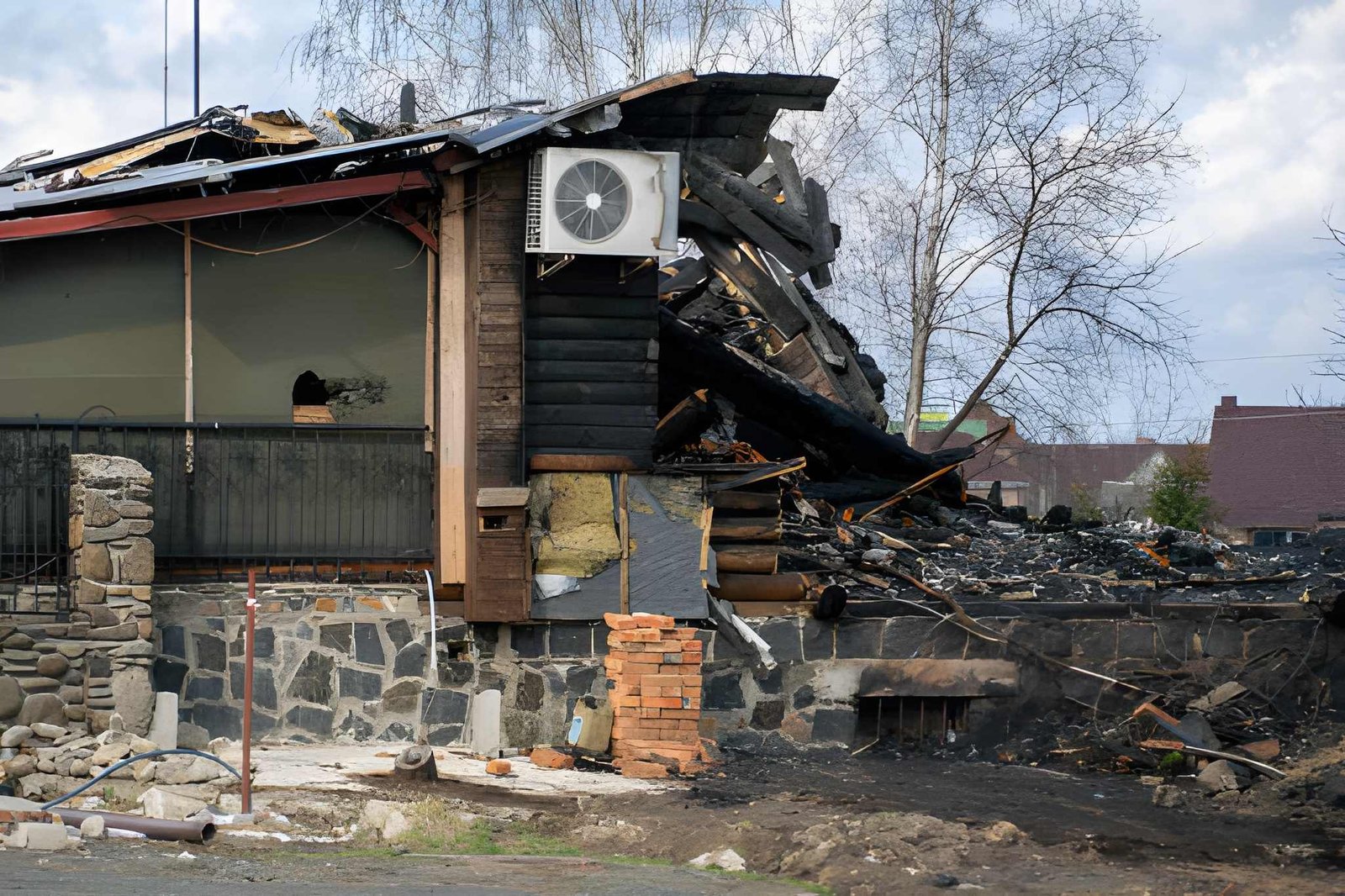
A house fire can leave more than visible burn damage behind. Smoke, soot, heat, water, and firefighting chemicals can affect walls, ceilings, flooring, furniture, electrical systems, and personal belongings. Even areas that appear untouched may have hidden damage that needs to be evaluated before cleanup begins.
Understanding what happens after a fire can make the recovery process easier to navigate. Professional fire restoration involves more than removing burned materials. It includes assessing the property, securing the structure, addressing smoke and soot, removing water and moisture, cleaning salvageable belongings, repairing damaged areas, and restoring the home to a safe condition.
The First Priority Is Making Sure the Property Is Safe
After firefighters leave, the property may still contain hazards. Structural components can be weakened by heat, electrical systems may be damaged, and floors or ceilings can become unstable.
Homeowners should avoid entering areas that have been declared unsafe. Fire officials, insurance representatives, or qualified professionals may need to determine when it is appropriate to re-enter the property.
Once access is permitted, a restoration team can begin evaluating the condition of the home and identifying immediate risks.
A Professional Assessment Determines the Extent of Damage
The restoration process begins with a detailed assessment rather than immediate cleanup.
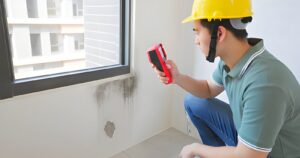
A professional restoration team examines the areas affected by flames, smoke, soot, heat, and water. The inspection may include walls, ceilings, flooring, insulation, cabinetry, appliances, personal belongings, and structural components.
The team also considers how far smoke and soot traveled beyond the area where the fire actually occurred. Smoke can move through rooms, ventilation systems, wall cavities, and other pathways, meaning damage is not always limited to the visibly burned section of the home.
This assessment helps determine which materials can be cleaned and restored, which require repair, and which need to be removed. For more information about structural and surface-level recovery, see this guide to fire damage repair.
The Property May Need to Be Secured
A fire can leave openings in roofs, walls, windows, and doors. These openings can expose the property to rain, wind, animals, theft, and additional damage.
Depending on the condition of the home, temporary measures may be needed to secure exposed areas. This can include boarding up windows or doors, covering damaged sections, or placing temporary protection over parts of the structure.
Securing the property is an important part of preventing additional problems while restoration work is underway.
Water and Moisture Damage Must Be Addressed
Fire damage restoration is not limited to damage caused directly by flames.
Firefighters often use substantial amounts of water to extinguish a fire. Water can remain in flooring, walls, ceilings, insulation, furniture, and other materials after the fire has been contained.
If this moisture is left untreated, it can contribute to additional deterioration and create conditions that encourage mold growth. Fire and water damage may need to be addressed together as part of the recovery process.
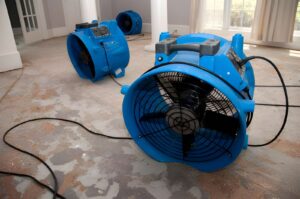
Restoration professionals may use water extraction equipment, air movers, dehumidifiers, and moisture monitoring tools to remove excess moisture and dry affected areas. Learn more about combined water damage restoration after a disaster.
Smoke and Soot Are Removed From the Property
Smoke and soot can affect areas far beyond the room where the fire started.
Different types of soot can behave differently on surfaces. Some soot is dry and powdery, while other deposits can be oily, sticky, or difficult to remove. Using the wrong cleaning method can spread the residue or cause additional staining.
Professional cleaning methods are selected according to the affected material and type of residue.
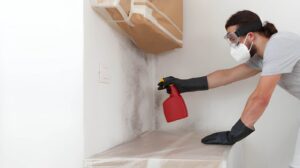
Walls, ceilings, flooring, furniture, cabinets, fixtures, and other surfaces may require specialized cleaning. Smoke odors can also remain after visible soot has been removed, so odor treatment may be necessary as part of the restoration process. Professional smoke cleanup can address these issues using appropriate methods.
Damaged Materials Are Removed When Necessary
Not every damaged material can be restored.
Materials that have been severely burned, structurally compromised, contaminated, or otherwise damaged beyond practical repair may need to be removed.
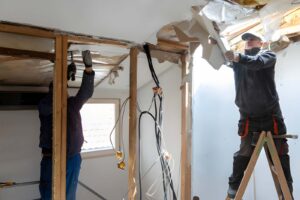
Selective demolition can be used to remove affected materials while preserving areas that remain structurally sound and salvageable. This can include removing damaged drywall, insulation, flooring, cabinetry, or other components.
The goal is not simply to remove as much as possible. A professional assessment helps determine what actually needs to be replaced.
Personal Belongings Are Evaluated for Recovery
A house fire does not necessarily mean every item inside the home is ruined.
Furniture, clothing, documents, electronics, artwork, household items, and other belongings may be evaluated individually. Some may have direct fire damage, while others may primarily have smoke, soot, or water damage.
Depending on their condition, certain belongings may be cleaned, deodorized, dried, restored, or sent to specialized facilities for treatment. Property owners can learn more about belonging recovery when deciding what may still be salvageable.
Items that can be successfully restored may be separated from those that cannot be recovered.
Documentation Becomes Important During Restoration
Fire restoration can involve many decisions about cleaning, removal, replacement, and repair. Documentation can help property owners keep track of what happened and what work is being performed.
Photographs, inspection findings, itemized lists, and other records may be useful when communicating with an insurance company.
Property owners should keep records of conversations, estimates, receipts, damaged belongings, and restoration work throughout the recovery process.
Insurance Coordination May Take Place Alongside Restoration
Insurance claims can be an important part of recovering financially after a house fire.
The exact process depends on the insurance policy and circumstances of the loss. A restoration company may provide documentation, photographs, estimates, and other information that can help support the claim.
However, property owners should understand their policy and communicate directly with their insurance provider about coverage, deductibles, limits, and claim requirements.
Restoration work and insurance discussions can happen at the same time, but they are separate parts of the overall recovery process.
Cleaning Is Followed by Repairs and Reconstruction
Cleaning the property is only one stage of professional restoration.
Once damaged materials have been removed and affected areas have been cleaned and dried, the property may require repairs or reconstruction.
Depending on the severity of the fire, this can involve replacing drywall, flooring, insulation, cabinetry, doors, trim, ceilings, electrical components, or other parts of the home.
Major fires may require more extensive reconstruction, while smaller incidents may only require targeted repairs and cleaning.
Smoke Odor May Require Additional Treatment
A home can look clean and still smell strongly of smoke.
Smoke particles can become embedded in porous materials such as fabrics, upholstery, carpeting, wood, and other household surfaces. Simply opening windows or using air fresheners may not eliminate the underlying odor.
Professional restoration may include specialized odor-control methods designed for the affected materials and level of contamination.
Addressing smoke odors as part of the restoration process can help make the home more comfortable after visible fire and smoke damage has been addressed.
What Can Homeowners Do After a House Fire?
There are several practical steps homeowners can take while waiting for professional restoration.
Avoid touching heavily damaged areas unnecessarily. Do not attempt to clean extensive soot deposits with household products unless a professional has confirmed that the method is appropriate.
Keep people and pets away from unsafe areas. Protect important documents and undamaged belongings when it is safe to do so, and follow instructions from fire officials and insurance representatives.
It is also helpful to make a list of visible damage and belongings that may have been affected. This information can assist with documentation and restoration planning.
What Should You Avoid After a Fire?
Trying to rush the cleanup can sometimes make the situation worse.
Avoid entering structurally unsafe areas, switching on damaged electrical equipment, or attempting to repair major structural components without professional evaluation.
Do not aggressively scrub soot from walls, ceilings, furniture, or other surfaces. Some cleaning methods can permanently damage materials or push soot deeper into porous surfaces.
It is also important not to throw away potentially salvageable belongings before they have been evaluated. Some items that appear damaged may still be recoverable through specialized cleaning or restoration.
How Long Does Professional Fire Restoration Take?
There is no single timeline for every fire-damaged property.
A small, localized fire may require a relatively short cleanup and repair process. A larger fire involving multiple rooms, structural damage, smoke contamination, and extensive water damage can take considerably longer.
The timeline can depend on the severity of the fire, the size of the property, the amount of water used during firefighting, the materials affected, the availability of replacement materials, and the extent of reconstruction required.
The restoration team can provide a more useful timeline after inspecting the property and determining the scope of work.
When Should You Call Professional Fire Restoration Services?
Professional restoration should be considered as soon as the property is safe to access and the immediate emergency has been handled.
Even when fire damage appears limited, smoke, soot, heat, and water may have affected areas that are not immediately visible.
Professional Fire Restoration can help identify hidden problems, establish a practical cleanup plan, protect salvageable materials, and coordinate the steps required to restore the property.
Early action can also help prevent secondary damage from moisture, lingering soot, and exposure to the elements. Learn more about the importance of timely action after fire damage.
How Quick Response Restoration Helps After a House Fire
Quick Response Restoration helps property owners navigate the restoration process after fire and smoke damage.
The process begins with understanding the condition of the property and determining what needs immediate attention. From securing affected areas and addressing water damage to cleaning smoke and soot and restoring damaged portions of the home, each stage is approached according to the property’s specific condition.
Professional restoration can also help homeowners understand which belongings and building materials may be recoverable and which require replacement.
The objective is to move the property from an unsafe, damaged condition toward a clean, stable, and functional home.
A Practical Fire Restoration Timeline
Although every property is different, the restoration process generally moves through several stages.
- Initial safety assessment: The property is evaluated to determine whether it can be safely accessed and what immediate hazards exist.
- Property protection: Openings and vulnerable areas may be secured to reduce the risk of additional damage.
- Damage inspection: Fire, smoke, soot, heat, and water damage are documented and assessed.
- Water removal and drying: Moisture caused by firefighting efforts is extracted and affected areas are dried.
- Smoke and soot cleaning: Surfaces, fixtures, furniture, and other salvageable materials are cleaned using appropriate methods.
- Material removal: Severely damaged or unsalvageable materials are removed.
- Contents restoration: Belongings that can be recovered are cleaned, dried, deodorized, or treated as needed.
- Repairs and reconstruction: Damaged parts of the home are repaired or rebuilt.
- Final cleaning: Remaining dust, residue, and odors are addressed before the property is returned to normal use.
What Makes Professional Fire Restoration Different From Basic Cleanup?
Basic cleanup may focus on removing visible debris, but fire restoration involves a much broader process.
Professionals need to consider structural conditions, smoke migration, soot contamination, water damage, moisture levels, salvageable belongings, odors, damaged materials, and reconstruction needs.
This broader approach is important because fire damage can continue affecting a property even after the flames have been extinguished.
A professional restoration plan focuses on both visible damage and problems that may not be immediately obvious.
Final Thoughts on Recovering After a House Fire
Recovering from a house fire can feel overwhelming, especially when the property contains a combination of fire, smoke, soot, and water damage. Knowing what happens next can make the process easier to understand.
Professional fire restoration typically begins with safety and assessment before moving into property protection, water removal, smoke and soot cleaning, contents recovery, material removal, repairs, and final restoration.
Quick Response Restoration can help guide property owners through these stages and determine the appropriate restoration approach based on the condition of the home. The sooner the damage is properly assessed, the sooner the recovery process can begin. If you need assistance, contact our team to discuss the restoration process.
Frequently Asked Questions
1. What is the first step after a house fire?
The first priority is safety. Once firefighters and relevant authorities determine that the property can be accessed safely, a professional restoration assessment can identify fire, smoke, soot, water, and structural damage.
2. How soon should fire restoration begin?
Fire restoration should generally begin as soon as the property is safe to access and the immediate emergency has been addressed. Early assessment can help identify secondary damage and determine what needs immediate attention.
3. Can belongings be saved after a house fire?
Yes, some belongings can often be restored depending on the type and extent of damage. Items affected by smoke, soot, or water may be candidates for specialized cleaning and restoration.
4. Does fire restoration include smoke and soot removal?
Yes. Professional fire restoration commonly includes cleaning smoke and soot from affected surfaces and addressing persistent smoke odors. The appropriate cleaning method depends on the type of residue and the material involved.
5. How long does it take to restore a house after a fire?
The timeline depends on the severity of the fire, the size of the property, water damage, smoke contamination, structural repairs, and the amount of reconstruction required. A professional assessment can provide a more accurate estimate for the specific property.

Robert Serafini serves as Quick Response Restoration’s cornerstone of Experience, Expertise, Authority, and Trust (EEAT). A dedicated member of the Quick Response team since 1998, Robert brings decades of hands-on restoration and insurance industry knowledge to every project. Prior to joining QR, he worked as an independent insurance adjuster, giving him a deep understanding of claims processes, policy interpretation, and customer advocacy.
Robert holds multiple IICRC certifications for fire, water, mold and has successfully managed numerous multi-million-dollar restoration projects, including large-loss and complex commercial assignments. His portfolio also extends internationally, where he has contributed to remediation efforts abroad.
Deeply rooted in the Capital District community, Robert is known for his generosity and civic involvement. He actively hosts and supports charity events benefiting local hospitals, schools, first responders, veterans, Catholic organizations, pet adoption, and local Chambers of Commerce. He is also an engaged member of several professional associations: Saratoga County Chamber, Adirondack Regional Chamber, NYS SFA Chapter, GCAR, ENYSHE and BOMA continuing to elevate industry standards and strengthen community ties.