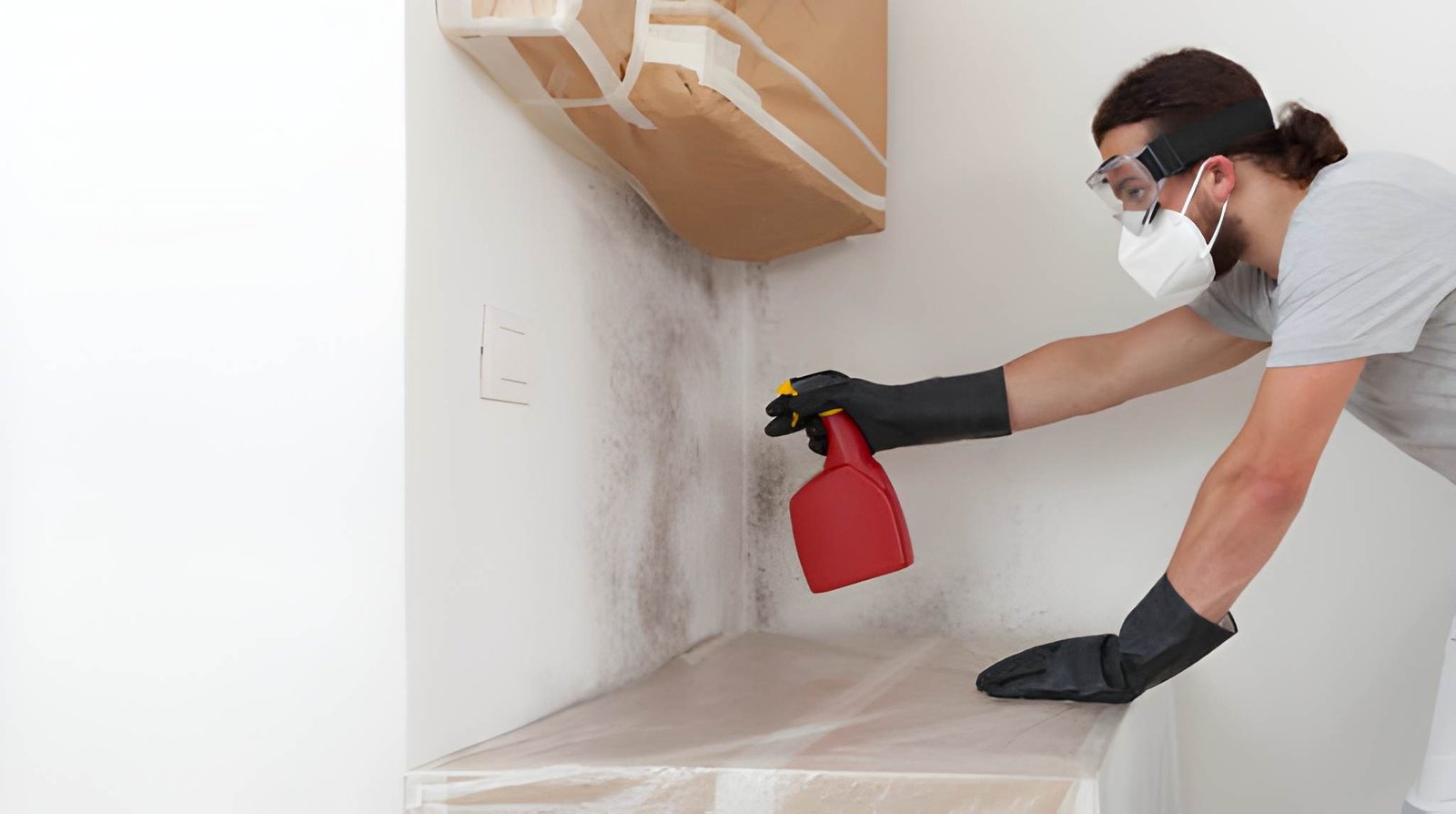
Mold can develop in a home when moisture remains trapped in areas such as walls, ceilings, flooring, basements, bathrooms, or around plumbing fixtures. In homes in Albany, NY, seasonal weather changes, humidity, leaks, condensation, and previous water damage can all create conditions where mold may grow. Homeowners in the area can learn more about available mold remediation and restoration services when moisture-related problems become difficult to manage.
Recognizing the early signs of mold can help homeowners address moisture problems before they become more extensive. While some mold is easy to spot, other growth can remain hidden behind walls, under flooring, or in other areas that are difficult to inspect. Knowing what to look for and when to seek professional help is an important part of protecting your property.
Why Mold Can Become a Problem in Albany, NY Homes
Mold spores are naturally present in the environment, but they can become a property concern when they find a consistently damp environment.
Homes can develop moisture problems for many reasons. A leaking pipe, roof problem, foundation issue, overflowing appliance, plumbing failure, or condensation can introduce moisture into areas where it is difficult to notice. If you need broader restoration support, restoration services may be appropriate depending on the condition of the property.
Basements and other lower-level spaces can be particularly vulnerable to damp conditions. Bathrooms, kitchens, laundry areas, and spaces around windows can also experience repeated moisture exposure.
The important issue is not simply whether mold spores are present. It is whether moisture is allowing mold growth to develop and continue.
A Musty Smell Can Be an Early Warning
One of the first signs homeowners notice is a persistent musty or earthy odor.
You may notice the smell in a basement, closet, bathroom, room with previous water damage, or another area that has poor ventilation. Sometimes the odor becomes stronger after rain or when the home has been closed up for an extended period.
A musty smell does not automatically prove that mold is present, but it can indicate that moisture or microbial growth should be investigated. Learning more about mold detection can help homeowners understand why unusual odors should not always be ignored.
If an unusual odor continues even after normal cleaning, look for the underlying moisture source rather than simply trying to cover the smell with air fresheners.
Dark or Discolored Spots May Indicate Mold
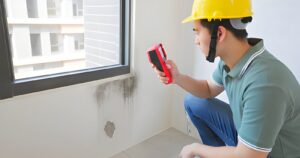
Visible discoloration is another common warning sign.
Mold can appear in different colors and textures depending on the species, surface, moisture conditions, and stage of growth. It may look black, green, gray, white, brown, or patchy.
Growth may appear on:
- Walls
- Ceilings
- Window frames
- Bathroom surfaces
- Basement walls
- Wood
- Grout
- Flooring
- Around plumbing fixtures
- Furniture or other porous materials
Not every dark stain is mold. Dirt, water staining, and other materials can look similar. If discoloration continues to spread or appears in an area with ongoing moisture, further investigation may be appropriate.
Paint or Wallpaper Starts Bubbling or Peeling
Changes to painted or wallpapered surfaces can sometimes indicate moisture behind the finish.
Paint may bubble, blister, crack, or peel when water becomes trapped behind it. Wallpaper may loosen from the wall or develop unusual discoloration.
These changes do not necessarily mean mold is present, but they can signal that moisture has entered the building materials.
Instead of simply repainting the affected area, homeowners should determine why the surface is deteriorating. Covering a moisture problem can allow hidden damage to continue.
Water Stains Keep Coming Back
A water stain that appears once may be related to a previous leak, but recurring staining deserves closer attention.
Brown, yellow, or discolored marks on ceilings and walls can indicate water intrusion from a roof, plumbing system, appliance, or another source.
If a stain disappears after painting but returns later, the underlying moisture problem may still be active.
Addressing the source of the water is essential. Cleaning the visible area without correcting the moisture issue may not solve the larger problem. Homeowners can also review water damage guidance when moisture problems are contributing to mold concerns.
Mold May Appear Around Windows and Condensation-Prone Areas
Windows can become areas of concern when condensation repeatedly forms on glass, frames, or surrounding surfaces.
Persistent moisture around windows can affect paint, drywall, wood trim, and other materials. If ventilation is poor, the combination of condensation and organic materials can create favorable conditions for mold growth.
Pay attention to:
- Repeated condensation
- Damp window sills
- Dark spots around frames
- Peeling paint
- Soft or deteriorating wood
- Musty odors near windows
Improving ventilation and controlling indoor humidity can help reduce moisture, but established growth may require further evaluation.
Your Basement Feels Damp or Smells Different
Basements can hide moisture problems because water may enter through walls, floors, cracks, plumbing systems, or foundation areas.
A basement that feels unusually damp may have conditions that support mold growth even when no obvious mold is visible. Homeowners dealing with basement moisture can also review basement cleanup guidance to better understand the importance of addressing water problems.
Look for signs such as musty odors, damp walls, condensation, efflorescence, water marks, damaged cardboard boxes, deteriorating wood, or discoloration.
Stored belongings can also provide clues. For example, items kept in a damp basement may develop a musty smell or visible growth.
Mold Can Hide Behind Walls and Under Flooring
One of the more difficult mold problems is growth that cannot be seen during a normal inspection.
Water can travel through wall cavities and beneath flooring. If a leak occurred behind a cabinet or appliance, moisture may remain in an enclosed space long after the surface appears dry.
Hidden mold may become a possibility when there is:
- A persistent musty smell without visible growth
- Previous flooding or water damage
- Repeated plumbing leaks
- Damaged drywall
- Warped flooring
- Unexplained discoloration
- Moisture readings in building materials
- Recurring surface growth after cleaning
In these situations, determining the moisture source and affected area is more useful than simply treating the visible symptoms. Homeowners can learn more about hidden mold when growth may be present in areas that are not immediately visible.
Previous Water Damage Increases the Need for Attention
A home does not have to look visibly moldy to require follow-up after water damage.
If a property has experienced flooding, a roof leak, burst pipe, sewage backup, appliance leak, or another significant water event, moisture may have reached materials that were not immediately visible.
The longer affected materials remain damp, the greater the opportunity for microbial growth.
Homeowners should pay attention to areas that were affected by previous water damage even after the property appears dry. Recurring odors, discoloration, or surface deterioration may indicate that further assessment is needed.
Mold Growth Can Return After Cleaning
Cleaning visible mold without addressing the moisture source can result in recurring growth.
For example, if mold appears around a leaking pipe and the pipe continues to leak, removing the visible growth does not eliminate the underlying cause.
The same principle applies to condensation, roof leaks, foundation moisture, and other recurring sources.
When mold repeatedly returns to the same area, homeowners should investigate why the area remains suitable for growth rather than repeatedly cleaning the surface.
When Is It Time to Take Action?
Not every small sign requires the same response, but ignoring recurring moisture or mold indicators can allow a manageable problem to become more extensive.
Consider taking action when:
- Visible mold continues to spread
- Mold repeatedly returns after cleaning
- A musty odor persists
- There has been significant water damage
- Walls or ceilings remain damp
- Water stains continue appearing
- Flooring or drywall shows signs of moisture damage
- Mold is present in multiple areas
- Hidden growth is suspected
- The moisture source cannot be identified
The sooner the underlying issue is investigated, the easier it may be to determine the appropriate next step.
What Should You Do If You Suspect Mold?
Start by identifying possible moisture sources.
Check for visible plumbing leaks, condensation, roof problems, damp basement areas, appliance leaks, and other conditions that could introduce water into the home.
Do not disturb extensive mold growth unnecessarily. Aggressive scrubbing or removing contaminated materials without proper precautions can spread particles and may expose occupants to unnecessary contamination.
For larger areas, recurring growth, hidden mold concerns, or significant water damage, professional assessment can help determine the extent of the problem and what type of remediation is appropriate. Homeowners can also learn about mold dangers when considering the potential impact of unresolved mold.
Mold Inspection and Mold Remediation Are Not the Same
It is useful to understand the difference between identifying a mold problem and removing it.
An inspection focuses on evaluating the property, looking for visible growth, identifying moisture conditions, and determining where further investigation may be necessary.
Remediation focuses on addressing established mold contamination and the conditions that allowed it to develop.
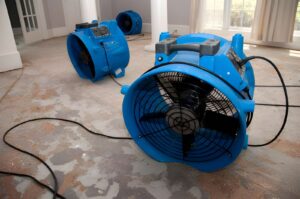
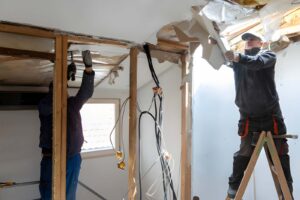
Professional mold remediation services in Albany, NY, may involve containment, removal or cleaning of affected materials, moisture control, cleaning of surrounding areas, and steps designed to prevent the problem from returning. Homeowners can also review mold remediation information to better understand the process.
The appropriate process depends on the property’s condition and the extent of the affected area.
Why Fixing the Moisture Source Matters
Mold remediation is not simply about removing visible growth.
If water continues entering the property, mold may return after the affected area has been cleaned.
For that reason, moisture control should be an important part of addressing a mold problem. Depending on the situation, this may involve repairing plumbing leaks, improving ventilation, addressing roof problems, controlling condensation, correcting drainage issues, or dealing with basement moisture.
Removing the growth while leaving the moisture problem unresolved can lead to repeated issues.
When DIY Cleaning May Not Be Enough
Homeowners may encounter small areas of surface mold that appear manageable, but more extensive situations require greater caution.
Professional assistance may be appropriate when mold covers a significant area, keeps returning, is associated with extensive water damage, appears to have spread into building materials, or may be hidden inside walls or other inaccessible spaces.
Professional remediation can also be useful when the source of moisture is unclear or when previous cleanup attempts have not solved the problem.
The goal is to determine the extent of the issue rather than treating only the most visible spot.
How Quick Response Restoration Can Help
Quick Response Restoration helps property owners in Albany, NY, address restoration problems involving moisture and mold.
A proper approach begins by understanding where moisture is coming from and determining which areas may be affected. From there, the appropriate remediation process can be planned based on the condition of the property.
Addressing both the visible mold and the underlying moisture conditions is important for achieving a more lasting solution.
For homeowners in Albany, NY, local restoration services provide an option for addressing these needs.
If your home has experienced water damage, persistent dampness, recurring mold, or unexplained musty odors, professional guidance can help you determine what should happen next.
How to Reduce the Chance of Future Mold Growth
Preventing every instance of mold is not realistic because mold spores naturally exist in the environment. However, controlling moisture can significantly reduce the conditions that encourage growth.
Keep an eye on areas that are frequently exposed to moisture. Repair plumbing leaks promptly, address roof problems, improve ventilation in bathrooms and kitchens, and monitor areas where condensation frequently occurs.
Basements should also be checked regularly for signs of water intrusion or excessive humidity.
After a leak or flooding event, make sure affected areas are properly dried rather than assuming that surfaces are dry simply because they no longer feel wet.
A Simple Mold Warning-Sign Check
If you are concerned about mold in your home in Albany, NY, consider the following questions:
- Is there a persistent musty odor?
- Are dark or unusual spots appearing on walls, ceilings, or other surfaces?
- Have water stains returned after cleaning or painting?
- Has the property experienced flooding, leaks, or significant moisture?
- Are windows or basement surfaces frequently damp?
- Is paint bubbling, peeling, or deteriorating without an obvious explanation?
- Does visible mold keep coming back?
If several of these conditions apply, it may be worth investigating the property further instead of waiting for the problem to become more extensive.
Conclusion
Mold growth often begins with a moisture problem, and the earliest warning signs may be easy to overlook. Musty odors, recurring water stains, discoloration, peeling paint, damp basements, condensation, and repeated surface growth can all indicate that further investigation may be necessary.
Homeowners should focus on identifying the source of moisture as well as addressing visible mold. When growth is extensive, recurring, hidden, or associated with significant water damage, professional remediation can provide a more thorough approach.
Quick Response Restoration can help homeowners in Albany, NY, understand the condition of a property and determine the appropriate steps for addressing mold and moisture-related problems. Taking action when early warning signs appear can help prevent a small issue from developing into a larger restoration concern. To discuss your situation, contact our team.
Frequently Asked Questions
1. What are the most common signs of mold in a house?
Common signs include musty odors, visible discoloration, recurring water stains, peeling or bubbling paint, damp areas, condensation, and mold that repeatedly returns after cleaning.
2. Can mold grow without being visible?
Yes. Mold can develop behind walls, beneath flooring, inside cabinets, around plumbing, or in other areas where moisture becomes trapped. A persistent musty odor or history of water damage may indicate hidden growth.
3. Does a musty smell always mean there is mold?
No. A musty smell can have several causes, but persistent odors in damp or previously water-damaged areas can be a reason to investigate for mold or other moisture-related problems.
4. When should I consider mold remediation?
Professional remediation may be appropriate when mold is extensive, repeatedly returns, is associated with significant water damage, may be hidden, or cannot be effectively addressed through basic cleaning.
5. How can I prevent mold from returning?
The most important step is controlling the moisture source. Repair leaks, address water intrusion, improve ventilation, manage condensation, and ensure areas affected by water are properly dried.

Robert Serafini serves as Quick Response Restoration’s cornerstone of Experience, Expertise, Authority, and Trust (EEAT). A dedicated member of the Quick Response team since 1998, Robert brings decades of hands-on restoration and insurance industry knowledge to every project. Prior to joining QR, he worked as an independent insurance adjuster, giving him a deep understanding of claims processes, policy interpretation, and customer advocacy.
Robert holds multiple IICRC certifications for fire, water, mold and has successfully managed numerous multi-million-dollar restoration projects, including large-loss and complex commercial assignments. His portfolio also extends internationally, where he has contributed to remediation efforts abroad.
Deeply rooted in the Capital District community, Robert is known for his generosity and civic involvement. He actively hosts and supports charity events benefiting local hospitals, schools, first responders, veterans, Catholic organizations, pet adoption, and local Chambers of Commerce. He is also an engaged member of several professional associations: Saratoga County Chamber, Adirondack Regional Chamber, NYS SFA Chapter, GCAR, ENYSHE and BOMA continuing to elevate industry standards and strengthen community ties.