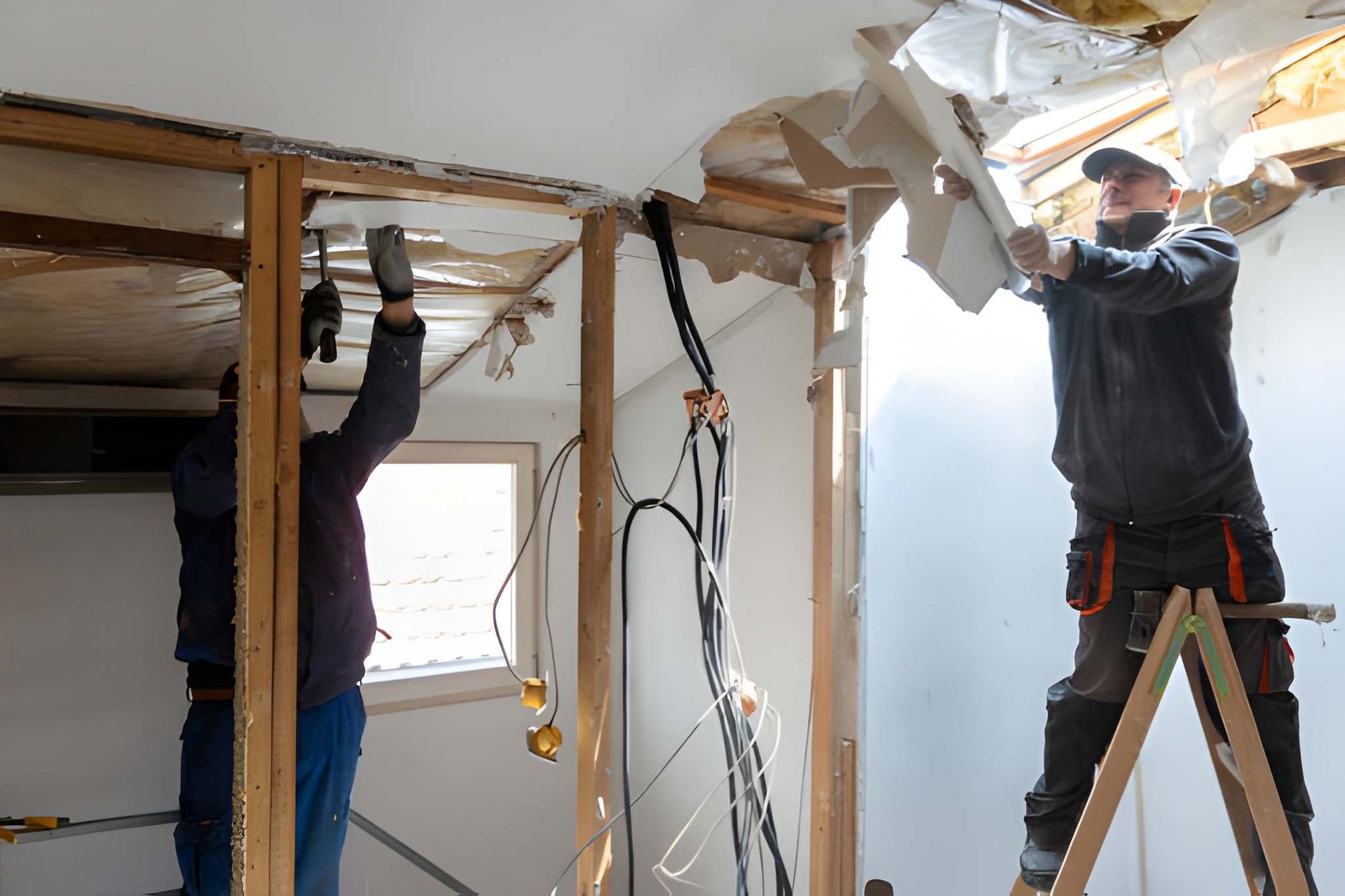
Property damage does not always happen at a convenient time. A burst pipe can flood a home overnight, a severe storm can damage a roof, or a fire can suddenly make part of a property unsafe. In these situations, delaying professional help can allow a manageable problem to become much more extensive. Understanding how restoration services in Albany, NY, can help property owners can make it easier to respond effectively when an unexpected incident occurs.
Emergency restoration focuses on stabilizing the property, limiting additional damage, and beginning the recovery process as quickly as practical. Depending on the incident, this may involve water extraction, structural drying, debris removal, smoke cleanup, temporary protection, or other restoration work.
The goal is not simply to clean up what has already happened. A timely restoration response can also help protect unaffected areas and reduce the possibility of secondary damage.
What Are Emergency Restoration Services?
Emergency restoration services are designed to help property owners respond to sudden damage caused by events such as water leaks, flooding, storms, fires, smoke, or other emergencies.
Unlike routine property maintenance, emergency restoration begins with an immediate assessment of the situation and focuses on controlling the damage.
Depending on the type of emergency, restoration professionals may:
- Assess affected areas
- Identify immediate safety concerns
- Remove standing water
- Dry wet materials
- Remove damaged debris
- Address smoke and soot
- Protect exposed areas
- Identify materials that may require removal
- Document the condition of the property
- Develop a restoration plan
The exact services required depend on the cause, severity, and location of the damage.
Why Fast Action Matters After Property Damage
The longer certain types of damage remain untreated, the greater the possibility of additional problems.
Water can continue spreading through porous materials. Moisture can become trapped behind walls or beneath flooring. Smoke residue can settle on surfaces after a fire. A damaged roof can allow additional rainwater to enter the property.
Quick action does not guarantee that damage will be eliminated, but it can help prevent an initial incident from causing unnecessary secondary damage.
This is one reason emergency restoration services are particularly valuable when a property has experienced a sudden event.
For additional guidance, property owners can review these emergency steps after water-related incidents.
How Emergency Restoration Helps Minimize Water Damage
Water damage is one of the most common reasons property owners need emergency restoration.
A plumbing failure, appliance leak, overflowing fixture, storm, or flooding event can introduce large amounts of water into a property.
Professional restoration can help minimize the impact by focusing on several important steps.
1. Locating the Source
The first priority is understanding where the water came from.
If the source is still active, continued water entry can make the damage worse. Depending on the situation, the source may need to be addressed by a plumber, roofer, or another qualified professional.
2. Removing Standing Water
Standing water can quickly affect flooring, furniture, drywall, and other materials.
Professional extraction equipment can remove larger amounts of water more efficiently than ordinary household equipment.
3. Drying Affected Materials
Removing visible water does not necessarily mean a property is dry.
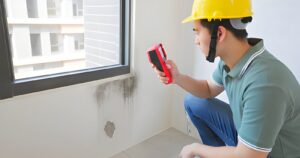
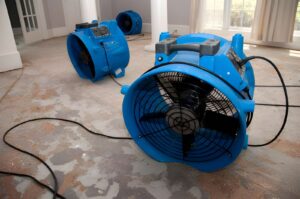
Moisture can remain inside materials or move into areas that are not immediately visible. Restoration professionals can use drying equipment and moisture detection tools to identify and reduce remaining moisture.
4. Monitoring the Drying Process
Drying should not simply stop because surfaces appear dry.
Moisture measurements can help determine whether affected materials have reached appropriate drying conditions.
This helps reduce the possibility of prolonged moisture contributing to additional damage.
For more detail on the process, see this guide to water restoration.
How Emergency Restoration Helps After a Fire
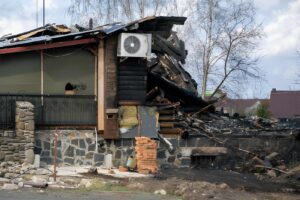
Fire damage does not end when the flames are extinguished.
A property may continue to experience problems from smoke, soot, water used during firefighting, damaged materials, and lingering odors.
Emergency restoration can help stabilize the property and begin addressing these secondary effects.
1. Smoke and Soot
Smoke residue can settle on walls, ceilings, furniture, fixtures, and other surfaces.
Depending on the type of fire and materials burned, soot can vary in appearance and cleaning difficulty. Professional restoration can help determine which surfaces can be cleaned and which materials may require removal.
2. Water From Fire Suppression
Firefighting efforts can introduce significant amounts of water into a property.
That water can create a second restoration challenge. Wet materials may need extraction and drying to reduce further damage.
3. Structural Concerns
A fire can weaken portions of a building. Restoration professionals can document visible damage and identify areas that may require evaluation by appropriate specialists.
The property should not be treated as safe simply because the fire has been extinguished.
How Emergency Restoration Helps After Storm Damage
Severe weather can affect roofs, windows, siding, ceilings, and other parts of a property.
Once exterior barriers are damaged, rain and wind can create additional problems inside the building.
Emergency restoration may help minimize damage by addressing immediate vulnerabilities.
Temporary protection may be used where appropriate to reduce additional exposure while permanent repairs are arranged.
The property can then be assessed for water intrusion, damaged materials, moisture, debris, and other storm-related problems.
Emergency Restoration Can Help Prevent Secondary Damage
One of the most important benefits of a prompt restoration response is limiting secondary damage.
Secondary damage occurs when the original incident creates additional problems.
For example, a plumbing leak may initially affect a small area of flooring. If the water remains for an extended period, moisture can spread into subflooring, walls, or other materials.
Similarly, storm damage to a roof can allow additional water to enter during subsequent rainfall.
Emergency restoration focuses on controlling these conditions before they become more extensive.
Why Professional Equipment Makes a Difference
Some property owners may attempt to handle minor damage themselves, but larger emergencies can require equipment that is not readily available to homeowners.
Depending on the situation, restoration professionals may use:
- Commercial water extraction equipment
- Air movers
- Dehumidifiers
- Moisture meters
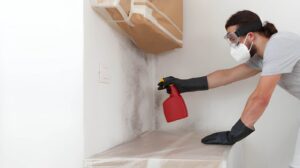
- Specialized cleaning equipment
- Air filtration equipment
- Protective equipment
- Drying and monitoring technology
The right equipment can make it easier to remove moisture, monitor conditions, and address affected areas efficiently.
How Restoration Professionals Identify Hidden Damage
Visible damage does not always show the full extent of an emergency.
Water can move underneath flooring or behind walls. Smoke residue can settle in difficult-to-reach areas. Storm-related moisture can enter through openings that are not immediately obvious.
A professional assessment can help identify areas that require closer attention.
Moisture detection tools can be particularly useful after water-related incidents because they can identify elevated moisture levels that may not be visible.
Identifying hidden damage early can help property owners address it before it creates additional problems.
What Happens During an Emergency Restoration Response?
While every situation is different, an emergency restoration response often follows a structured process.
1. Initial Contact
The restoration company gathers information about what happened, where the damage occurred, and whether the situation is still active.
2. Property Assessment
The affected areas are evaluated to determine the type and extent of damage.
3. Immediate Stabilization
The team focuses on actions that can help prevent further damage, such as water extraction, drying, debris removal, or temporary protection.
4. Damage Documentation
Photos, notes, moisture readings, and other information may be collected to document the condition of the property.
5. Restoration Planning
Once the immediate situation is controlled, the company can determine what additional cleaning, removal, repair, or restoration work may be necessary.
Which Types of Property Damage May Require Emergency Restoration?
Emergency restoration can apply to many different situations.
Common examples include:
1. Burst Pipes
A burst pipe can release a large amount of water into a property in a short period.
2. Flooding
Floodwater can affect floors, walls, furniture, electrical systems, and other parts of a building.
3. Appliance Leaks
Washing machines, dishwashers, water heaters, refrigerators, and other appliances can cause significant water damage when they fail.
4. Roof Damage
A damaged roof can allow water to enter during storms and affect ceilings, insulation, walls, and flooring.
5. Fire Damage
A fire can cause direct structural damage as well as smoke, soot, and water damage.
6. Storm Damage
High winds, heavy rainfall, and other severe weather events can damage exterior components and allow water to enter.
7. Smoke Damage
Smoke can affect surfaces and belongings even when the fire itself was limited to a relatively small area.
What Can Property Owners Do Before Help Arrives?
Safety should always come first.
If the situation can be safely controlled, address the source of the problem. For example, a homeowner may be able to shut off a water supply if a plumbing failure is responsible.
However, do not enter unsafe areas or attempt repairs involving electrical hazards, structural instability, fire damage, or contaminated water.
You can also document the damage with photographs or videos if it is safe to do so.
Move valuable belongings away from affected areas only when there is no risk of injury or additional damage.
What Should You Avoid Doing After an Emergency?
Trying to handle a major restoration emergency without appropriate equipment can sometimes make the situation worse.
Avoid using electrical appliances in wet areas.
Do not walk through potentially contaminated water without appropriate protection.
Do not remove structural materials simply because they appear damaged unless it is safe and appropriate to do so.
You should also avoid covering up water stains, smoke damage, or other evidence before documenting the condition of the property.
If you plan to file an insurance claim, contact your insurer and follow its instructions regarding documentation and emergency repairs.
How Emergency Restoration Can Protect Belongings
Property contents can sometimes be affected even when structural damage appears limited.
Furniture, clothing, electronics, documents, flooring, and personal belongings may be exposed to water, smoke, soot, or debris.
Depending on the circumstances, restoration professionals may be able to clean, dry, move, or otherwise protect certain belongings.
Not every item can be restored, but early assessment can help determine which belongings may be salvageable.
Does Emergency Restoration Include Repairs?
Not always.
Emergency restoration generally focuses first on controlling the immediate damage and stabilizing the property.
Some companies also provide reconstruction or repair services, while others coordinate with contractors who specialize in plumbing, roofing, electrical work, or structural repairs.
Ask the restoration provider what services are included so you know what to expect after the emergency stabilization stage.
How to Choose Emergency Restoration Services in Albany, NY
Choosing a restoration provider during an emergency can feel overwhelming, but a few factors can help you compare options.
Look for a company that offers:
- Emergency availability
- Experience with the type of damage involved
- Clear communication
- Professional restoration equipment
- Moisture detection and monitoring when needed
- Proper documentation
- A clear explanation of the restoration process
- Positive customer feedback
- Transparent information about services
Do not choose a provider based solely on the first company that answers the phone or the lowest estimate.
The quality of the initial assessment can affect the rest of the restoration process.
For additional guidance, review these restoration factors before making a decision.
Why Local Experience Can Be Valuable
A restoration company serving Albany, NY may have experience with the types of weather, properties, and emergencies that commonly affect the area.
Local availability can also make it easier to respond when immediate assistance is needed.
When comparing emergency restoration services in Albany, NY, consider whether the company regularly serves your area and understands the practical challenges associated with local properties.
How Quick Response Restoration Helps Minimize Damage
Quick Response Restoration helps property owners respond to unexpected damage involving water, fire, smoke, and other restoration emergencies.
The restoration process begins with understanding what happened and determining what needs to be done to stabilize the property.
Depending on the situation, this may involve removing water, drying affected materials, addressing smoke and soot, documenting damage, removing debris, or helping determine the next stage of restoration.
The objective is to respond to the immediate problem while reducing the opportunity for additional damage to develop.
How Long Does Emergency Restoration Take?
There is no single timeline for emergency restoration.
A small localized incident may be addressed relatively quickly, while extensive flooding, fire damage, or storm damage can require a much longer process.
Factors that can influence the timeline include:
- Size of the affected area
- Amount of water or smoke damage
- Type of building materials affected
- Moisture levels
- Accessibility
- Structural damage
- Amount of debris
- Required repairs
- Availability of replacement materials
A professional assessment can provide a better understanding of what the restoration process may involve.
The Difference Between Emergency Response and Full Restoration
Emergency response and full restoration are related but not always the same stage of a project.
Emergency response focuses on immediate stabilization and damage control.
Full restoration may involve more extensive cleaning, removal of damaged materials, repairs, reconstruction, and final finishing work.
Understanding this distinction can help property owners set realistic expectations.
The first visit may focus primarily on stopping additional damage rather than completing every repair immediately.
When Should You Call Emergency Restoration Services?
Consider contacting a professional restoration company when your property has experienced significant water intrusion, flooding, fire, smoke damage, storm damage, or another event that threatens the condition or usability of the building.
You may also need professional assistance when damage extends into areas that are difficult to access or when you are unsure how extensive the problem is.
The sooner the situation is properly assessed, the sooner you can determine what needs to happen next.
Final Checklist After a Property Emergency
After a sudden property damage event, remember to:
- Put safety first.
- Stop the source if it can be done safely.
- Avoid electrical hazards.
- Document visible damage.
- Contact your insurance provider when appropriate.
- Avoid unnecessary disturbance of damaged materials.
- Contact a restoration professional.
- Ask how the damage will be assessed.
- Ask what immediate stabilization steps are required.
- Keep records of restoration work and communication.
Taking these steps can help you respond more effectively while professional assistance is arranged.
Conclusion
Property damage can become more extensive when water, smoke, fire, or weather exposure is allowed to continue affecting a building. Emergency restoration services are designed to respond to these situations quickly, stabilize affected areas, and help minimize the potential for additional damage.
The best emergency restoration services in Albany, NY, should provide more than a quick cleanup. Proper assessment, professional equipment, moisture monitoring, documentation, and a clear restoration plan all play an important role in protecting the property.
Whether the emergency involves flooding, a burst pipe, storm damage, fire, or smoke, early professional assessment can help determine the right course of action. Quick Response Restoration can help Albany, NY property owners respond to unexpected damage and begin the restoration process with a clear understanding of what needs to happen next. To discuss your situation, contact our team.
Frequently Asked Questions
1. What are emergency restoration services?
Emergency restoration services help property owners respond to sudden damage caused by events such as flooding, burst pipes, fires, smoke, storms, and other emergencies. Services may include assessment, water extraction, drying, debris removal, smoke cleanup, and property stabilization.
2. How quickly should I call emergency restoration services?
You should contact a restoration company as soon as possible after significant property damage. Prompt assessment and stabilization can help limit additional damage and identify problems that may not be immediately visible.
3. Can emergency restoration prevent further water damage?
Professional restoration can help minimize additional damage by removing standing water, drying affected materials, monitoring moisture, and addressing conditions that could allow water damage to continue.
4. Do emergency restoration services handle fire and smoke damage?
Many restoration companies handle fire and smoke-related damage in addition to water emergencies. Services may include soot cleanup, smoke residue removal, odor-related work, debris removal, and assessment of affected materials.
5. How do I choose the best emergency restoration company in Albany?
Look for a company with emergency availability, relevant restoration experience, professional equipment, clear communication, proper documentation, positive customer feedback, and a process for assessing and monitoring the affected property.

Robert Serafini serves as Quick Response Restoration’s cornerstone of Experience, Expertise, Authority, and Trust (EEAT). A dedicated member of the Quick Response team since 1998, Robert brings decades of hands-on restoration and insurance industry knowledge to every project. Prior to joining QR, he worked as an independent insurance adjuster, giving him a deep understanding of claims processes, policy interpretation, and customer advocacy.
Robert holds multiple IICRC certifications for fire, water, mold and has successfully managed numerous multi-million-dollar restoration projects, including large-loss and complex commercial assignments. His portfolio also extends internationally, where he has contributed to remediation efforts abroad.
Deeply rooted in the Capital District community, Robert is known for his generosity and civic involvement. He actively hosts and supports charity events benefiting local hospitals, schools, first responders, veterans, Catholic organizations, pet adoption, and local Chambers of Commerce. He is also an engaged member of several professional associations: Saratoga County Chamber, Adirondack Regional Chamber, NYS SFA Chapter, GCAR, ENYSHE and BOMA continuing to elevate industry standards and strengthen community ties.