Most people don’t think about their attic until something goes wrong. But mold can grow up there quietly and spread before you even notice it. If it’s not taken care of, attic mold can lead to health issues, damage your home, and even lower its value.
If you suspect mold in your attic, don’t ignore it. Mold isn’t something that will go away on its own. Here’s what causes attic mold, how to spot it, and the best way to get rid of it safely and completely.
Why Mold Shows Up in the Attic
Attics are usually dark, warm, and don’t get much air circulation: ideal conditions for mold. Add in moisture, and you’ve got a problem. Mold often starts in attics because of:
- Roof leaks that let in water.
- Vents from bathrooms or dryers that send moist air into the attic.
- Poor ventilation that traps humid air.
- Insulation problems that cause condensation.
Even small leaks or gaps in ventilation can create just enough moisture for mold to grow. And once it starts, it spreads.
Common Signs of Attic Mold
Since most people don’t go into their attics often, mold can stick around unnoticed for months. Here are some signs you might have a mold issue:
- A musty smell coming from the attic or upper levels.
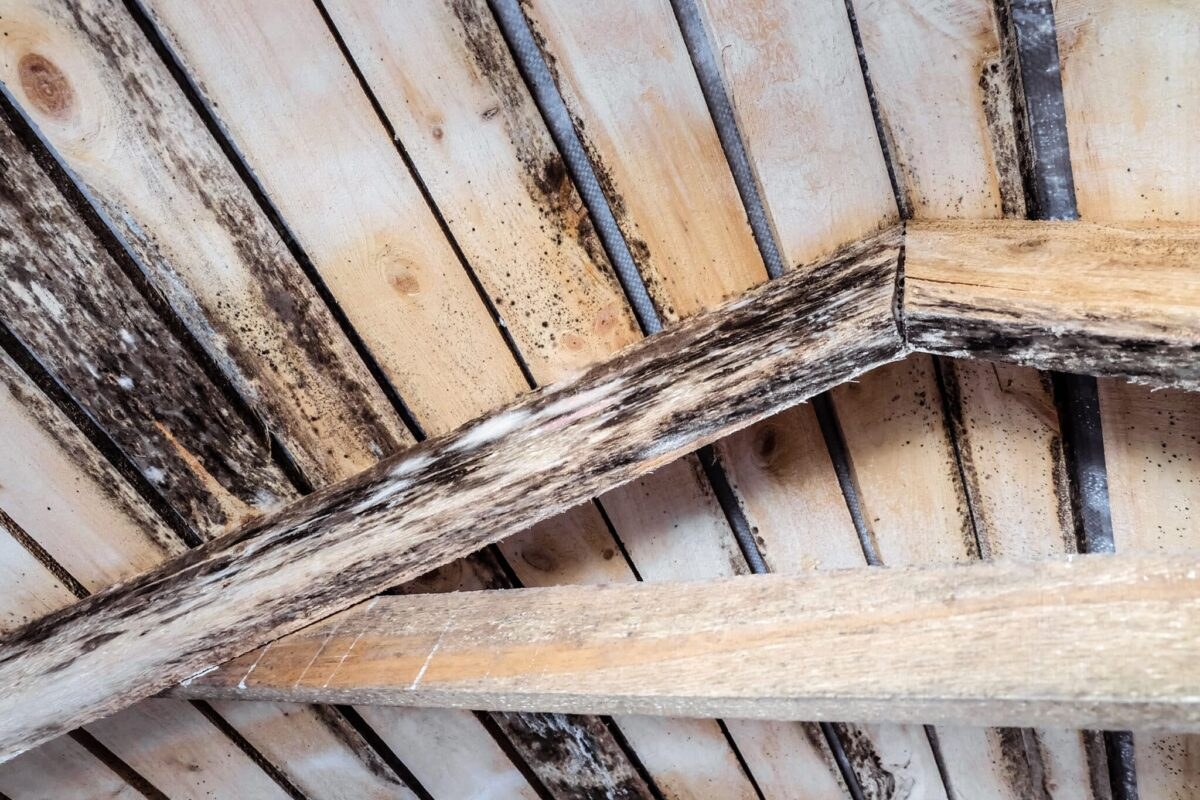
- Dark spots or stains on wood beams or insulation.
- Water stains or peeling paint on ceilings.
- Worsening allergy symptoms at home.
- Visible mold or damp areas in the attic.
If anything seems off, it’s a good idea to schedule a professional inspection.
Why Attic Mold Is a Bigger Problem Than It Seems
It’s easy to think attic mold isn’t a big deal, especially if you don’t spend time up there. But ignoring it can lead to serious problems:
- Health risks: Mold spores can move through your HVAC system and affect the air in the rest of your house. People with asthma, allergies, or breathing issues can have stronger reactions.
- Structural damage: Mold can weaken the wood and insulation it grows on. Over time, that can damage your roof or ceiling.
- Lower home value: If you plan to sell your home, mold will show up on inspections, and it might scare off buyers.
- Mold spreads fast: If you don’t fix the moisture source, mold will keep coming back.
Should You Try to Remove Attic Mold Yourself?
While it might be tempting to handle mold cleanup on your own, attic mold removal in Saratoga County isn’t a simple DIY job. It’s easy to miss hidden areas, and improper cleaning can spread mold spores throughout your home.
Here’s why hiring a professional makes sense:
- Mold is often hidden behind insulation or deep in the wood.
- Professionals use containment to stop spores from spreading.
- Store-bought cleaners don’t always work, especially on porous materials.
- Fixing the mold without fixing the moisture source won’t work long-term.
If the mold is more than a few small patches or you’re unsure about the cause, it’s best to call in a professional mold remediation company.
What to Expect from Professional Mold Removal
At Quick Response Restoration, we’ve helped homeowners across Saratoga County deal with attic mold quickly and safely. Here’s how our attic mold remediation process works:
1. Inspection and Moisture Check
We take a close look at your attic to find out where the mold is and what caused it. Roof leaks, vent issues, or insulation problems are common culprits.
2. Containment
To keep mold spores from spreading, we seal off the attic before beginning cleanup. This protects the rest of your home during the process.
3. Mold Removal and Cleaning
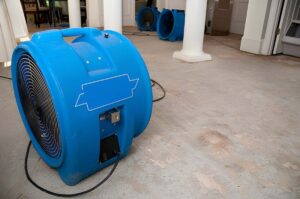
We use EPA-approved products and HEPA filtration tools to clean mold from wood, insulation, and other materials. If parts of the insulation or drywall are too damaged, we remove them.
4. Drying and Dehumidifying
We make sure everything is dry before the job is done. Mold won’t grow without moisture, so drying the area fully is key to stopping it from returning.
Tips to Keep Mold Out of Your Attic
Once mold is gone, prevention becomes the top priority. Here are a few ways to reduce the risk of future mold growth:
- Check your roof twice a year for missing shingles or leaks.
- Make sure exhaust fans from bathrooms, kitchens, and dryers vent outside.
- Improve attic airflow with ridge or soffit vents.
- Keep insulation dry and properly installed.
- If your attic feels damp, consider a dehumidifier.
These small steps can make a big difference, especially during Saratoga County’s humid summers and wet winters.
Need Help with Attic Mold? We’re Ready When You Are.
Mold can hide out of sight for a while, but it won’t stay harmless. The longer it sits, the more damage it can do. At Quick Response Restoration, we help Saratoga County homeowners take care of attic mold the right way.
Our trained team uses comprehensive mold management techniques to safely remove the problem, repair damage, and prevent it from coming back. We’ll also help you understand what caused the problem so you can prevent it in the future.
Contact Quick Response Restoration for Expert Attic Mold Remediation in Saratoga County
Call Quick Response Restoration today to schedule an attic mold inspection or mold removal service. Protect your home, your air quality, and your peace of mind.
Contact us at 518-899-7090 or visit our website today to get started!