Choosing a restoration company after a water emergency is not a decision most property owners expect to make. A leaking pipe, flooded basement, failed appliance, or severe storm can suddenly leave you searching for help while trying to protect your property at the same time. Finding the right restoration company in Albany, NY residents can rely on means looking beyond who can arrive first or offer the lowest estimate.
The company you choose can influence how efficiently the situation is assessed, how thoroughly the affected property is handled, and how clearly you understand the work being performed. Experience, communication, documentation, drying practices, availability, and the ability to manage unexpected problems are all worth considering before you hire a restoration provider.
Start With the Company’s Actual Restoration Experience
Not every company that advertises cleanup services has the same experience with water damage.
Ask how frequently the company handles water-related restoration projects and whether it has experience with situations similar to yours. A company that regularly works with flooded basements may have a different level of expertise than a provider that mainly handles small household cleanups.
Experience is particularly important when water has affected multiple rooms, flooring, walls, ceilings, insulation, or other building components.
Rather than simply asking how long the company has been in business, ask about the types of restoration projects it regularly handles.
Make Sure the Company Can Assess More Than What You Can See
One of the biggest challenges with water damage is that the visible area may not represent the entire problem.
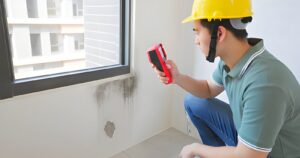
Water can move beneath flooring, behind walls, through ceilings, and into other building materials. A company should therefore have a process for assessing areas that may not look obviously wet.
Ask how the company determines where moisture has traveled and what equipment it uses during the assessment.
A restoration provider that takes time to understand the full extent of the problem is better positioned to develop an appropriate restoration plan.
Look at the Drying Process, Not Just Water Removal
Water extraction and drying are not exactly the same thing.
Removing standing water can make a property look considerably better, but moisture can remain inside materials after visible water is gone. This is why the drying process deserves particular attention when comparing companies.
Ask potential providers:
- How do you measure moisture?
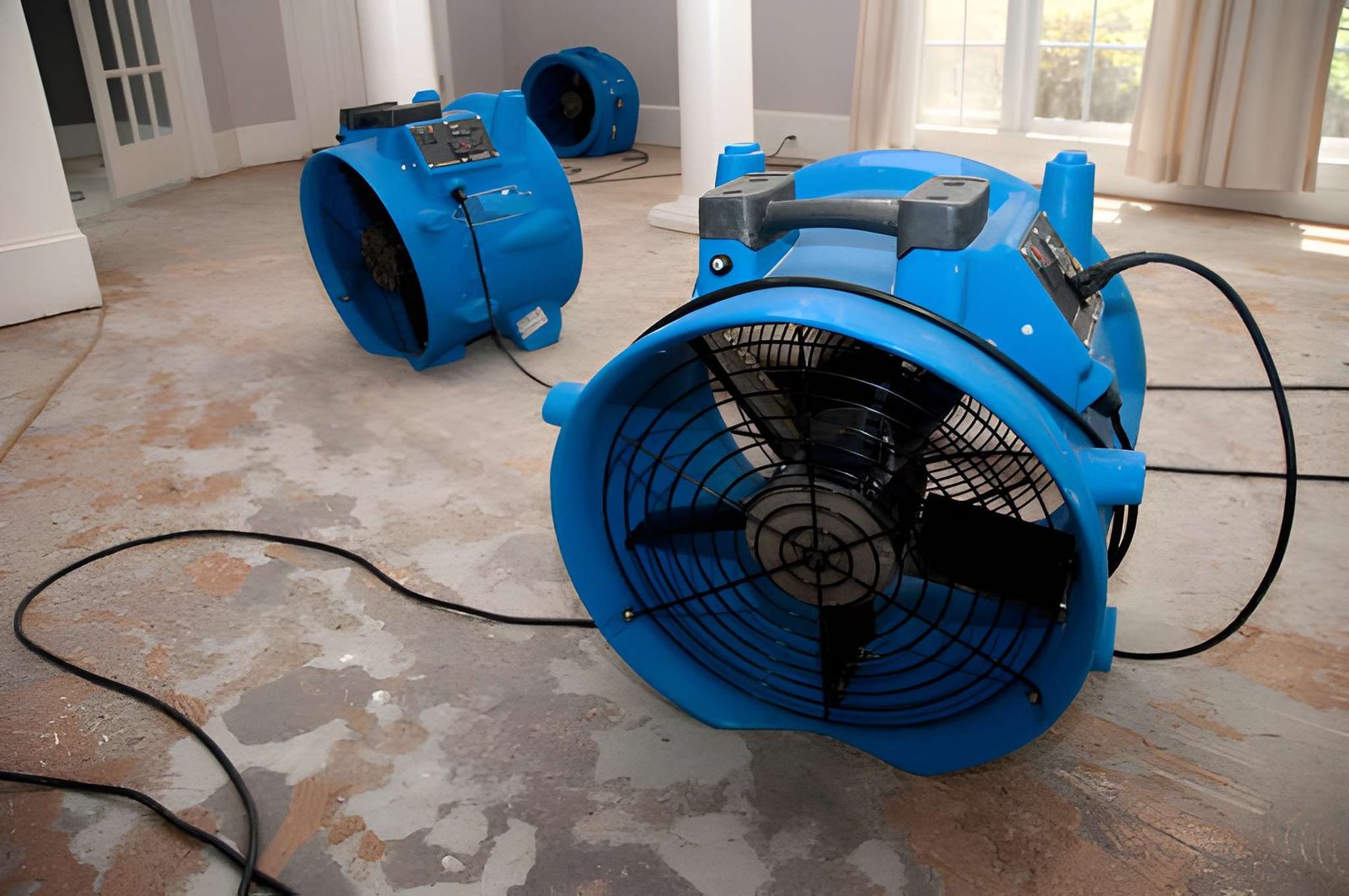
- What equipment do you use for drying?
- How do you monitor progress?
- How do you determine when drying is complete?
- What happens if moisture remains in hidden areas?
The answers can tell you more about the company’s restoration approach than a basic promise to “remove the water.”
For more information about what happens throughout restoration, you can also review this restoration process.
Ask How the Company Documents the Damage
Good documentation can be valuable throughout a restoration project.
Photographs, moisture readings, written assessments, estimates, and records of completed work can help property owners understand what happened and what work is being performed.
Documentation can also become important when an insurance claim is involved.
Before hiring a company, ask whether it documents affected areas and provides customers with information about the work being recommended.
Consider How It Handles Insurance Communication
Insurance claims can add another layer of complexity to water damage.
A restoration company does not determine your insurance coverage, but an experienced provider may understand the type of documentation insurers commonly request.
Ask whether the company can provide photographs, estimates, moisture documentation, invoices, and other records that may support your claim.
You should still communicate directly with your insurer and understand your policy, deductible, coverage limitations, and claim requirements.
A company that communicates clearly about the difference between restoration work and insurance coverage can help prevent confusion.
Pay Attention to the First Conversation
You can often learn a lot about a company before anyone arrives at your property.
When you call, does the representative ask useful questions about the situation? Do they try to understand where the water came from, how long it has been present, and which areas are affected?
A company that asks appropriate questions may be taking the situation seriously rather than treating every project as the same.
Pay attention to whether the representative explains what you should do while waiting and whether they communicate realistic expectations about the next steps.
Find Out Who Will Actually Perform the Work
It is reasonable to ask who will be working at your property.
Find out whether the company uses its own technicians, subcontractors, or a combination of both. You can also ask about technician training and experience.
This matters because the quality of restoration depends heavily on the people performing the assessment, extraction, drying, cleaning, and restoration work.
You should feel comfortable knowing who is entering your home or business and who is responsible for the work.
Ask Whether the Company Handles the Entire Restoration Process
Some companies specialize in a particular part of water damage cleanup, while others can manage a broader restoration project.
Depending on the damage, you may need more than water extraction. Damaged drywall, flooring, trim, insulation, cabinetry, or other materials may eventually require repair or replacement.
Ask exactly what the company handles.
A provider that can coordinate multiple stages of restoration may make the project easier to manage, particularly when the damage extends beyond simple water removal.
Look for Clear Communication About Uncertain Damage
Water damage does not always reveal its full extent immediately.
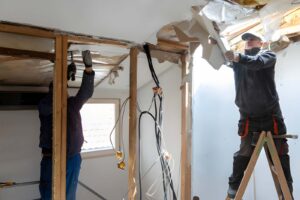
A company may discover additional affected materials after flooring, drywall, or other components are opened or removed.
Before work begins, ask how unexpected findings are handled.
A good restoration company should explain:
- How additional damage is documented
- How changes to the scope are communicated
- Whether you will be informed before additional work
- How additional costs are handled
- What happens if materials cannot be restored
This type of communication can prevent unpleasant surprises later.
Compare Estimates Based on Scope, Not Just Price
Getting multiple estimates can be useful, but comparing only the final dollar amount can be misleading.
Two companies may provide very different prices because their scopes of work are different.
When reviewing estimates, look at what each company plans to do. Does the estimate include extraction, drying, monitoring, cleanup, removal of damaged materials, repairs, or reconstruction?
Ask questions about anything you do not understand.
A slightly higher estimate may include important services that another quote leaves out.
Be Careful With Extremely Low Quotes
A surprisingly low quote may seem attractive during an expensive emergency, but it deserves closer examination.
Ask why the price is lower and whether the same work is included.
A quote that excludes moisture monitoring, certain drying services, material removal, or necessary repairs may eventually become more expensive once additional work is identified.
The goal should be to compare complete restoration plans rather than choosing the lowest number on a page.
Read Reviews for Specific Experiences
Online reviews can help you understand how a company handles actual restoration projects.
Instead of looking only at the overall rating, read individual reviews for details about:
- Emergency response
- Communication
- Technician behavior
- Property care
- Drying work
- Cleanup
- Insurance documentation
- Completion of the project
Look for recurring themes rather than relying on one unusually positive or negative review.
If customers repeatedly mention poor communication or unfinished work, that information may be worth considering before you hire the company.
Check How the Company Protects Your Property
Restoration work can involve moving furniture, removing damaged materials, operating drying equipment, and accessing multiple parts of a property.
Ask how the company protects areas that are not damaged.
A careful provider should consider things such as floor protection, safe equipment placement, containment when appropriate, and minimizing unnecessary disruption to unaffected areas.
Professional conduct matters because restoration work is taking place inside your property during an already stressful situation.
Ask About Availability Before You Need It
Water emergencies rarely happen at a convenient time.
A company that only operates during limited business hours may not be the best fit for an emergency restoration situation.
Ask whether emergency assistance is available outside standard working hours and how after-hours calls are handled.
You should also find out whether the company serves your specific part of Albany, NY and surrounding areas.
Knowing this information in advance can save valuable time during an emergency.
For additional guidance on urgent water situations, review these emergency steps.
Consider the Company’s Approach to Mold Prevention
Moisture that remains in a property can create conditions favorable to mold growth.
You do not necessarily need mold remediation every time water enters a property, but moisture should be addressed appropriately.
Ask how the restoration company monitors damp materials and what steps it takes to reduce the possibility of ongoing moisture problems.
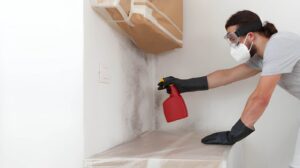
If mold is already present, ask whether the company handles mold-related restoration or whether a separate specialist is required.
You can also learn more about the relationship between moisture and mold through this guide to mold growth.
Ask What Happens to Damaged Materials
Not everything affected by water necessarily needs to be discarded.
Depending on the material, extent of damage, contamination, and drying conditions, some items may be candidates for restoration while others may need removal.
Ask how the company determines whether materials should be cleaned, dried, restored, or removed.
This can help you understand why certain recommendations are being made rather than simply accepting a list of items for disposal.
Think About the Company’s Ability to Handle Commercial Properties
If you own or manage a business, the selection process may involve additional considerations.
A commercial property can have larger spaces, specialized equipment, employees, customers, inventory, and operational requirements.
Ask whether the company has experience working around business operations and whether it can develop a restoration plan that considers access and downtime.
A company experienced with commercial restoration may be better equipped to handle the additional coordination involved.
Ask About the Restoration Timeline
There is no universal timeline for water damage restoration.
The duration can depend on the amount of water, affected materials, moisture levels, property size, accessibility, and the extent of repairs required.
Be cautious of anyone who promises an exact completion time before properly assessing the damage.
Instead, ask what factors could affect the timeline and when you can expect updates.
This gives you a more realistic understanding of how the project may progress.
Understand What Is Not Included
Before signing an agreement, ask what the service does not include.
For example, some companies may handle extraction and drying but not plumbing repairs, roofing repairs, reconstruction, or mold remediation.
Understanding exclusions in advance can help you determine whether you need additional contractors or services.
A clear agreement should make it easier to understand what you are paying for.
Look for a Company That Explains Its Recommendations
You should not feel pressured to approve work that you do not understand.
If a restoration company recommends removing flooring, opening drywall, using specialized equipment, or performing additional drying, ask why.
A professional provider should be able to explain the reason for its recommendation and how it relates to the water damage.
Clear explanations can help you make informed decisions rather than simply accepting a list of services.
Signs You May Want to Choose a Different Company
Certain warning signs deserve attention when comparing restoration providers.
Be cautious if a company:
- Gives a firm price without assessing the property
- Cannot explain its drying process
- Avoids questions about equipment
- Provides little documentation
- Pressures you into signing immediately
- Cannot explain what its estimate includes
- Makes unrealistic promises about completion
- Has consistently poor customer feedback
- Is unclear about who will perform the work
One warning sign does not necessarily mean a company is unsuitable, but several concerns together should encourage you to consider other options.
How to Create a Shortlist of Restoration Companies
If you have several companies to choose from, create a shortlist before making your final decision.
Start with providers that serve your area and offer the type of restoration you need.
Then compare their experience, emergency availability, assessment methods, drying practices, documentation, customer feedback, communication, and estimates.
Contact the strongest options and ask the same core questions. Comparing their answers can make differences between providers easier to identify.
What to Do When Water Damage Happens
If water damage has already occurred, your first priority should be safety.
If the water source can be safely stopped, address it where possible. Avoid electrical hazards and do not enter areas where standing water may present a safety risk.
Move valuable belongings away from the affected area only if doing so is safe.
Take photographs of the damage for your records and contact your insurance provider if you intend to file a claim.
Then contact a qualified restoration company for an assessment.
Choosing Quick Response Restoration
Quick Response Restoration helps property owners navigate restoration situations after water-related incidents.
The right restoration process begins with understanding what happened, where moisture has traveled, and what condition the affected materials are in. From there, the appropriate extraction, drying, cleaning, and restoration steps can be determined.
When choosing a water damage restoration company in Albany, NY, property owners should look for a provider that values clear communication, thorough assessment, careful documentation, and a restoration plan based on the actual condition of the property.
Quick Response Restoration can help property owners understand the condition of their property and determine the next steps following water damage.
A Simple Hiring Checklist
Before choosing a restoration company, ask yourself:
- Did the company properly assess the situation?
- Did it explain how moisture will be located and monitored?
- Is the drying process clearly explained?
- Does the company have experience with similar properties?
- Are estimates and service inclusions clear?
- Does it provide useful documentation?
- Can it explain how unexpected damage will be handled?
- Does it communicate clearly?
- Does it have positive reviews from relevant customers?
- Do you feel comfortable allowing the company to work inside your property?
If the answer is yes to these questions, you are in a better position to make an informed choice.
Conclusion
Finding the right water damage restoration company in Albany, NY, requires more than searching for the fastest or cheapest option. The quality of the assessment, drying process, documentation, communication, and overall restoration plan can make a significant difference in how the project is handled.
When comparing companies, look at their actual experience, how they investigate moisture, what equipment they use, how they communicate unexpected findings, and what their estimates include. Reviews and insurance documentation support can also help you evaluate a provider before making a decision.
Professional water damage restoration should be based on the actual condition of the property rather than a one-size-fits-all approach. By asking the right questions and comparing companies carefully, Albany, NY property owners can choose a restoration provider with greater confidence.
If your property has experienced water damage, contact our team at Quick Response Restoration to help assess the situation and determine the appropriate restoration steps.
Frequently Asked Questions
1. What is the most important thing to look for in a water damage restoration company?
Look for a company that combines relevant restoration experience with a thorough assessment and clear drying process. The provider should be able to explain what it plans to do, why the work is necessary, and how progress will be monitored.
2. Should I choose the cheapest water damage restoration company?
Not necessarily. Compare the complete scope of work rather than looking only at the final price. A cheaper estimate may exclude important services or may not provide the same level of moisture assessment and monitoring.
3. How do I know if a restoration company is experienced?
Ask about the types of water damage projects the company regularly handles, how its technicians are trained, what equipment it uses, and whether it has experience with properties similar to yours.
4. What questions should I ask before hiring a restoration company?
Ask about emergency availability, moisture detection, drying equipment, documentation, insurance support, project timelines, unexpected damage, additional costs, and exactly what services are included in the estimate.
5. Can a water damage restoration company help with an insurance claim?
A restoration company may be able to provide photographs, moisture readings, estimates, invoices, and other documentation that can support an insurance claim. Your insurance provider determines coverage, so you should contact the insurer directly about your policy and claim requirements.

Robert Serafini serves as Quick Response Restoration’s cornerstone of Experience, Expertise, Authority, and Trust (EEAT). A dedicated member of the Quick Response team since 1998, Robert brings decades of hands-on restoration and insurance industry knowledge to every project. Prior to joining QR, he worked as an independent insurance adjuster, giving him a deep understanding of claims processes, policy interpretation, and customer advocacy.
Robert holds multiple IICRC certifications for fire, water, mold and has successfully managed numerous multi-million-dollar restoration projects, including large-loss and complex commercial assignments. His portfolio also extends internationally, where he has contributed to remediation efforts abroad.
Deeply rooted in the Capital District community, Robert is known for his generosity and civic involvement. He actively hosts and supports charity events benefiting local hospitals, schools, first responders, veterans, Catholic organizations, pet adoption, and local Chambers of Commerce. He is also an engaged member of several professional associations: Saratoga County Chamber, Adirondack Regional Chamber, NYS SFA Chapter, GCAR, ENYSHE and BOMA continuing to elevate industry standards and strengthen community ties.